

Battling the ravages of time
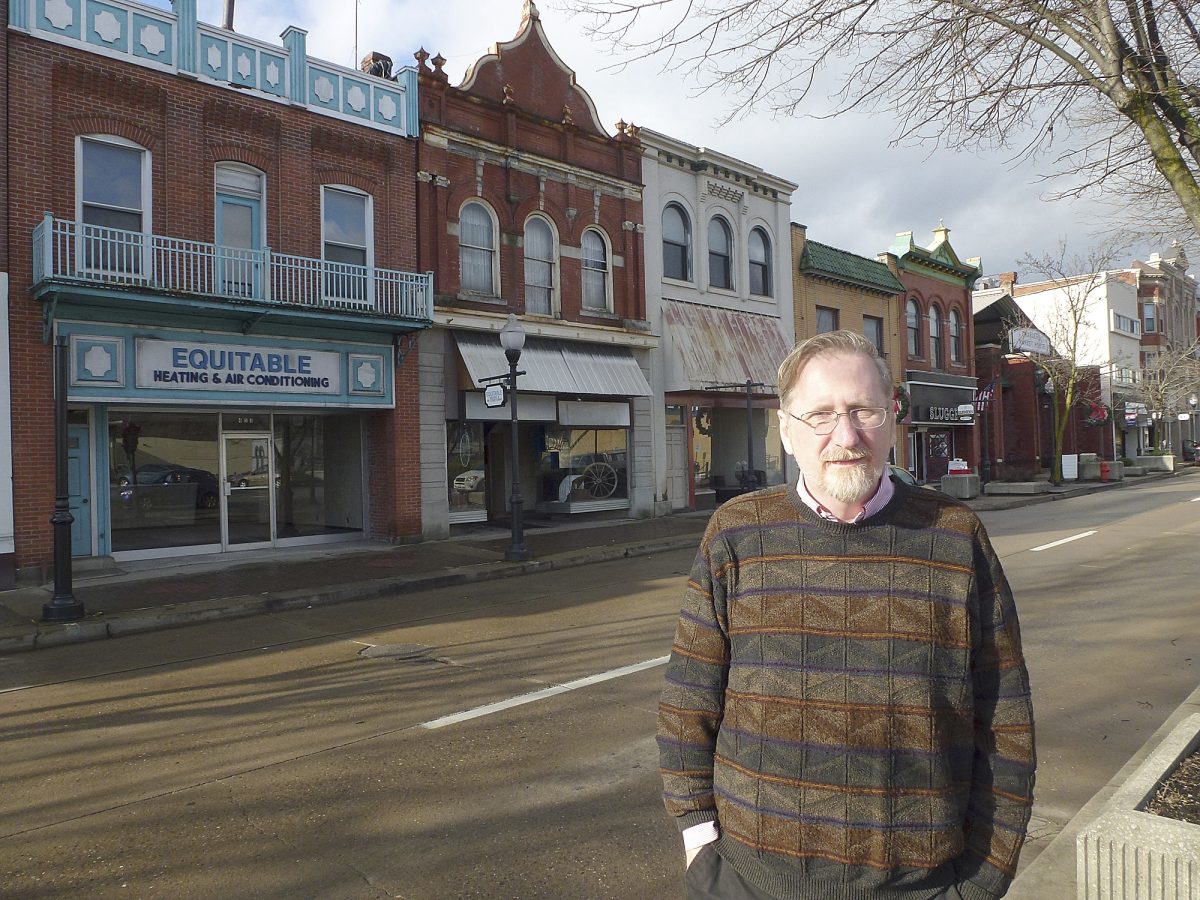
Monongahela preservationist and architect Terry Necciai is shown in the 400 block of McKean Avenue in the heart of Charleroi’s nationally recognized historic district.
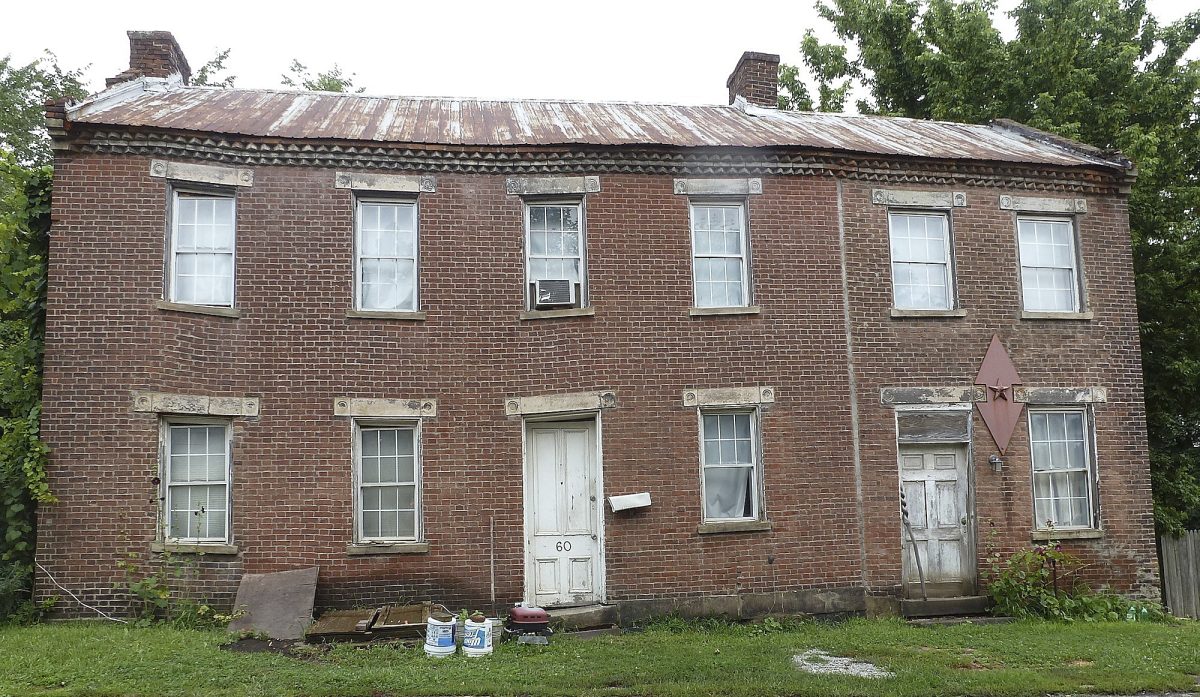
A house in West Middletown that Preservation Pennsylvania used to illustrate why it named the small town as being the most at-risk historic resource in the state
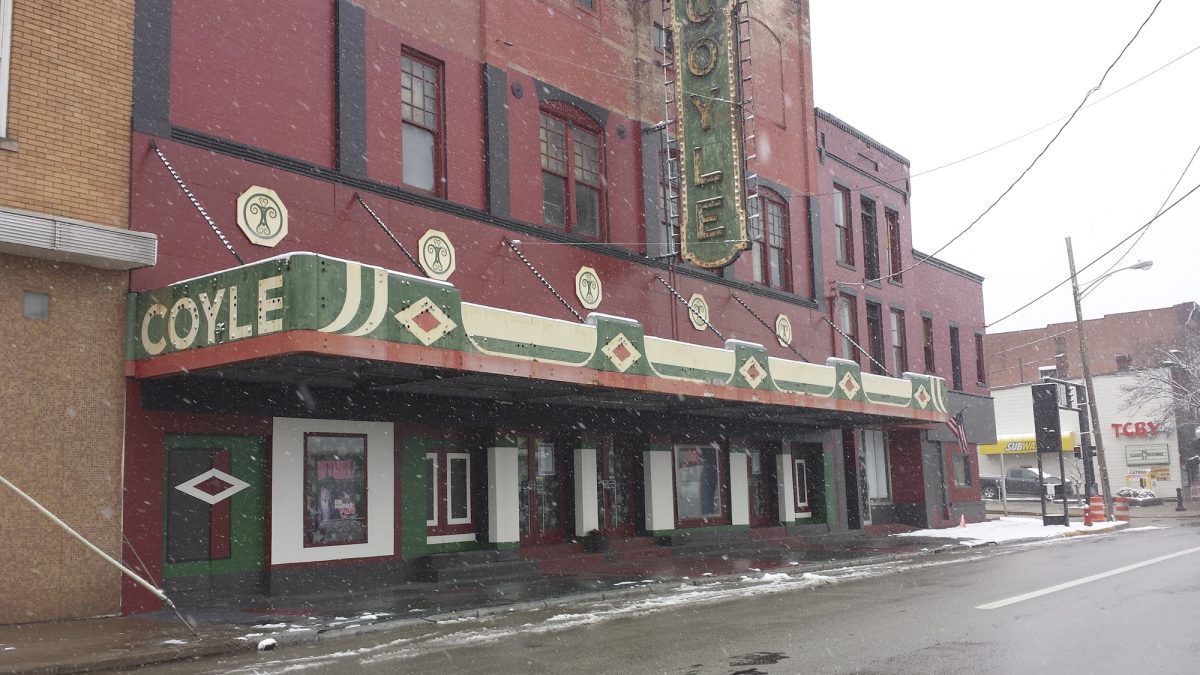
The Coyle Theater at 331 McKean Ave. in Charleroi
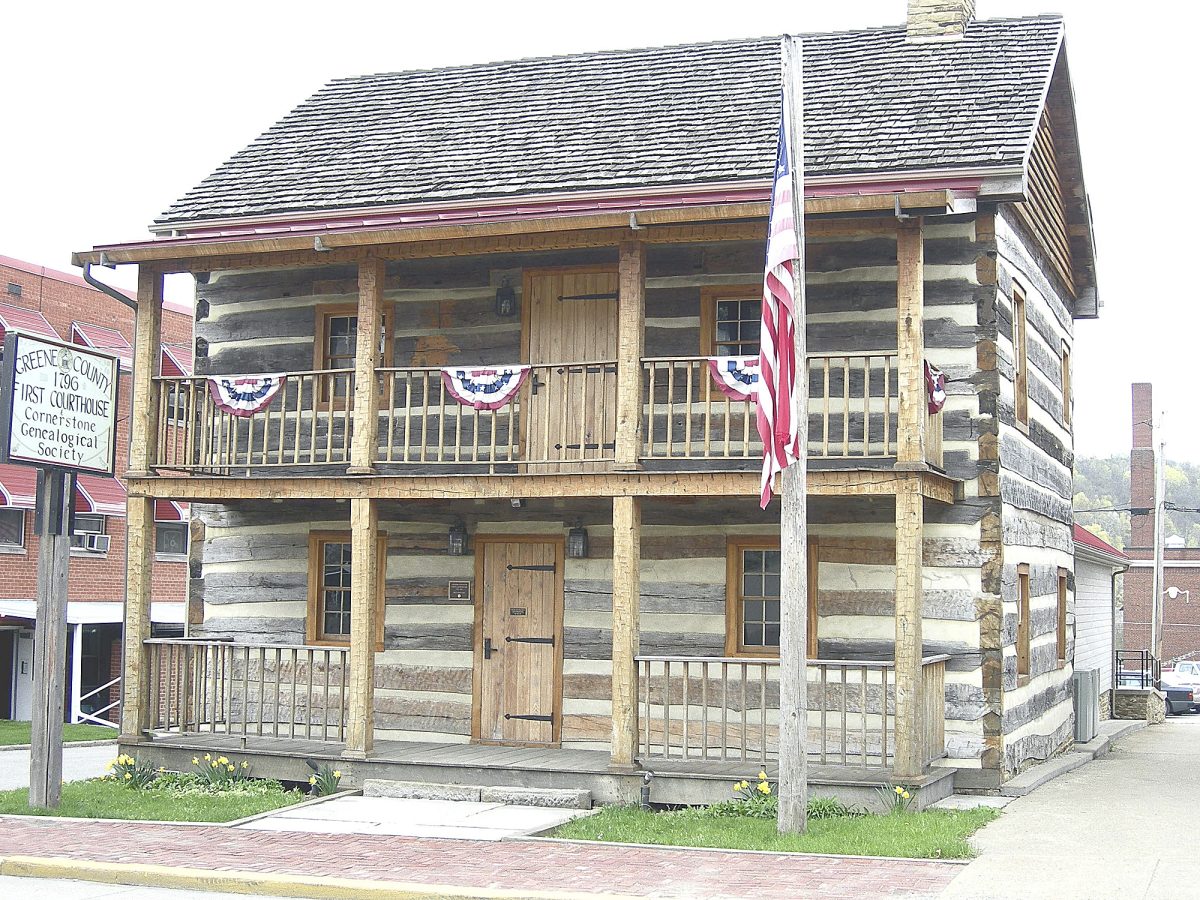
The old log courthouse in Waynesburg
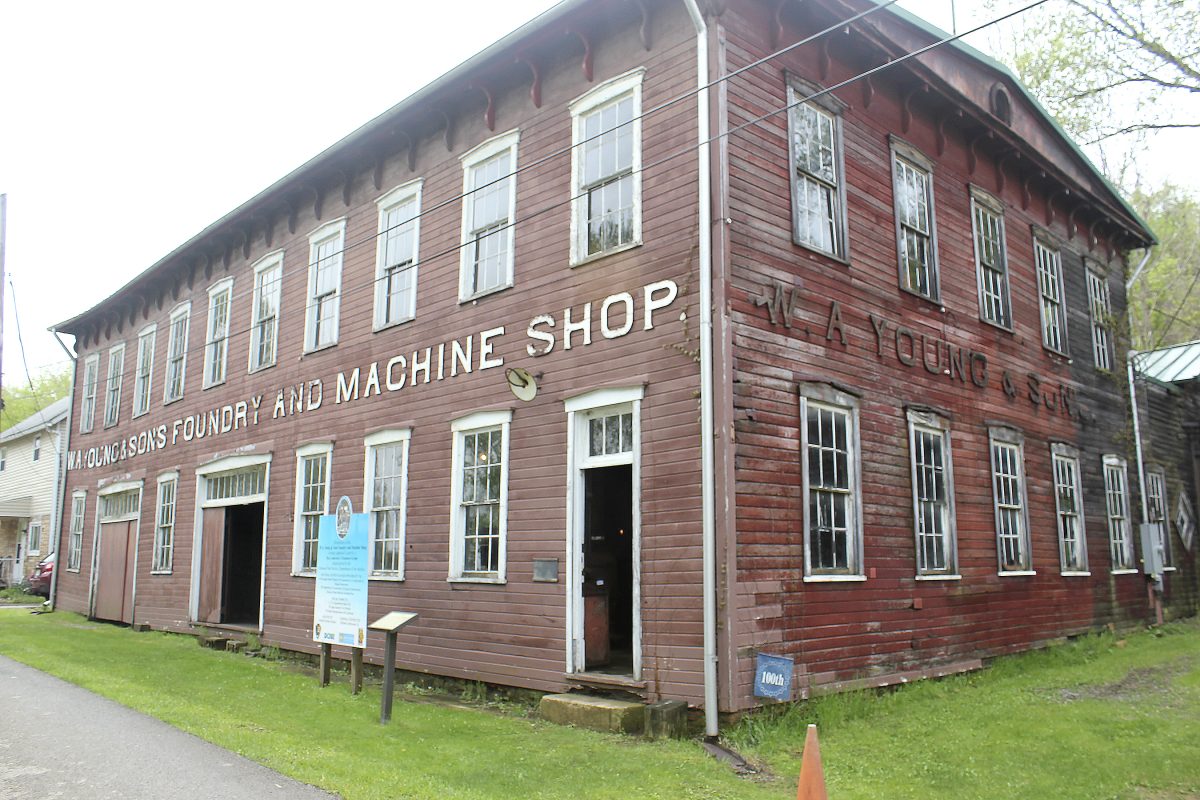
The 116-year-old W.A. Young and Sons Foundry and Machine Shop on Water Street in Rices Landing
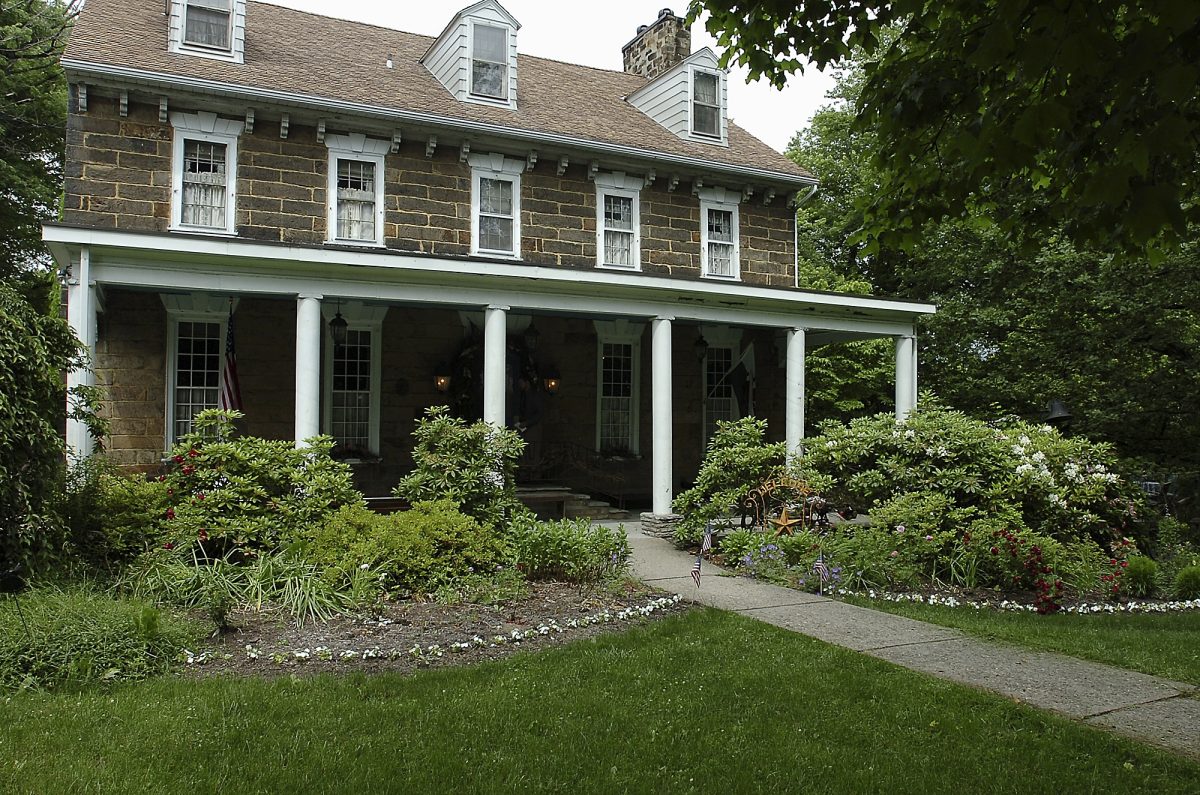
The Century Inn in Scenery Hill as it appeared before it was gutted by fire in August 2015
CHARLEROI – Charleroi Plate Glass Co. was the first such business to arrive in Charleroi, and it produced storefront windows, leading the town in 1891 to overbuild from the beginning.
“What town of 4,000 people needs 400 stores?” said Terry Necciai, a Monongahela architect who is resurveying Charleroi’s large, nationally recognized historic district for the Mon Valley borough.
Among the things he is discovering along the way is the fact that 50 former corner store buildings have survived in the neighborhoods, and that every downtown block has at least one restored building and one good business.
However, his survey comes at a time when a former burlesque house dating to the borough’s founding is under the threat of demolition by an industrial development association that has a purchase agreement on the closed Coyle Theater buildings.
Charleroi is among 10 towns in Washington County and three in Greene County that are on the National Register of Historic Districts, and some of them are marked by blight, while others have lost a number of their significant buildings.
West Middletown along Route 844 in western Washington County was named Feb. 2 as one of the state’s top at-risk historic resources by Preservation Pennsylvania, said Sandy Mannsman, coordinator for the Washington County History and Landmarks Foundation.
Preservation Pennsylvania recently named West Middletown, which dates to about 1800, to the list because of its physical deterioration and decline in a historic district where the Ralston thrasher was invented.
“Historic preservation, to begin with, is at risk,” Mannsman said. “It goes in cycles.”
“I like West Middletown because when you go through there you feel like you’re going through an early 1800s village,” added Clay Kilgore, executive director of the Washington County Historical Society.
“The charm of the place is still there,” Kilgore said.
The mostly bedroom community of East Washington is an example of a historic district that has been well taken care of, he said.
Meanwhile, Scenery Hill’s historic district is built around the Century Inn, a historic tavern along the National Road that was gutted by an accidental fire in August. The owner, Megin Harrington, has vowed to rebuild the stone mansion, which dated to about 1794 and was one of the oldest taverns in continuous operation along Route 40.
Mannsman said a rebuilt Century Inn would again, over time, become a beloved historic landmark.
“It’s still the spirit of the building,” she said.
Waynesburg has also lost several parts of its historic district in recent years, not from a disaster, but instead from deteriorating building conditions. The Allison Building, where the Rain Day legend began, fell to the wrecking ball in 2013, and the historic People’s National Bank Building was razed the following year.
The district centers around the Greene County Courthouse, Fort Jackson and old theater in the business area, but also extends to the historic log courthouse on Greene Street just a few blocks away.
“The borough has lost some of its historical significance in recent years,” Greene County Historical Society Director Eben Williams said.
The two other historic districts in the county, both of which are along the Monongahela River, have maintained their heritage through a variety of events. Rices Landing celebrates its blacksmith heritage each year with the Hammer-In Festival at the W.A. Young & Sons Foundry, where parts were made for riverboats, automobiles and trains. Greensboro also celebrates its river town history and the significance of its architecture.
Other historic districts aren’t so fortunate. Marianna, known for its brick workers houses, has a severe blight problem.
Fifteen percent of Marianna’s 180 houses, 42 to be exact, landed in March 2015 on the blight list in a borough that makes do with limited income.
Kilgore said many people don’t understand the meaning of the National Register of Historic Districts.
“The idea is not to maintain one monument,” Kilgore said. “If you can save a block, you get a better understanding of what it was.”
The purpose of Necciai’s study is to save as much of Charleroi as possible.
Necciai was hired to perform the study after 20 buildings in its historic district were demolished, prompting the state Historical and Museum Commission to seek a preservation plan for the borough.
Fifty percent of the buildings in downtown Charleroi are vacant, Necciai said.
“That’s scary,” he said.
Despite the losses in these districts, Mannsman said, people still travel to the area to see its landmarks.
“I don’t think we’re dying,” Mannsman said.
Greene County bureau chief Mike Jones contributed to this story.