

Poultry will return to fairs after ban lifted
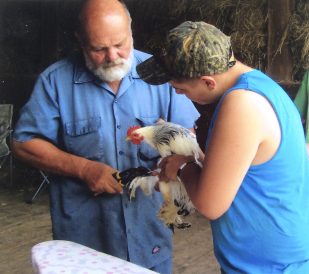
A poultry ban has been lifted across the state, allowing for the feathered fowl to once again be displayed at county fairs in Pennsylvania.
Last year, the state Department of Agriculture enacted a ban on live poultry displays at venues that receive state funds because of the risk of highly pathogenic avian influenza virus, otherwise known as bird flu, spreading to other birds. The ban affected 109 fairs as well as the 2016 Pennsylvania Farm Show.
“It was a difficult decision but the right decision to protect our state against the HPAI virus,” said Agriculture Secretary Russell Redding in a news release.
Bird flu is caused by the influenza type-A virus, which occurs naturally in birds. AI diseases are very contagious and can make domesticated birds such as chickens, ducks, quail, pheasants, guinea fowl and turkeys very sick and even cause death.
Detection of the HPAI outbreak began in the Midwest in 2015. A lot of poultry and poultry products moves between the Midwest and Pennsylvania, putting a $13 billion industry at risk.
“In the case we saw in the Midwest, that was only a bird flu that would affect birds, and so the threat was actually to the entire poultry industry,” said Gregory Martin, poultry educator for Penn State Extension Service. So while there is a low risk to humans, The H5 and H7 subtypes were the main worry as they can cause high mortality in infected poultry flocks.
“It’s like doing the first week of Sunday school, all the kids come together and three days later they all become sick because each kids brings their own assortment of bugs to the table,” Martin said.
On June 1, the ban was lifted just in time for the county fairs to bring back their feathered friends. The Washington County Fair will take place Aug. 13 through 20 at the Washington County Fairgrounds.
This is good news for the Washington County 4-H club Raging Roosters. The members of the club were unable to compete with their poultry at fairs last year and instead compensated with an educational display of awareness on how to properly care for poultry.
Jay Bayer, Washington County fair board president, said as an extra biosecurity measure a vet certificate will be required of all poultry showing a clean bill of health within 30 days of the fair, as opposed to 60 days with other animals.
The lifting of the ban won’t affect fairs in Greene County.
Greene County Fair Manager Larry Marshall said their weeklong event had poultry shows just one time about 20 years ago, but there wasn’t much interest in keeping it going.
“We really haven’t had people wanting to have them or want to bring them to the fair, so we haven’t had them for years,” Marshall said.
The same can be said for the Jacktown Fair in Wind Ridge, which is being held this week.
“It doesn’t affect us because we don’t have poultry. All we have is eggs.” Jacktown Fair President Walter “Buck” Burns said. “We don’t really have anyone around here raising chickens, but I’ve heard about a lot of other fairs that will be able to hold those now.”
The last known detection of HPAI was January in Dubois County, Ind., and according to Martin the flock was quickly put down in order to contain the H7N8 strain, and make chances of it reaching Pennsylvania “slim to none.”
Though the ban has been lifted, two interstate quarantine orders remain in effect, requiring testing for birds being moved and disinfection of transport vehicles.
There is also a caveat that if an HPAI infection is discovered in Pennsylvania or any adjoining state, the ban would swiftly be reimposed.
“Biosecurity is always the key part of keeping poultry. It doesn’t matter if you have one bird or one million birds, biosecurity is an important part of keeping your birds healthy,” Martin said.