

Reviews mixed for expanded interlock use
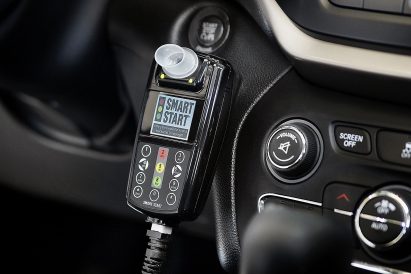
The governor has given a green light to a law that will require more of those convicted in Pennsylvania of driving under the influence to install ignition interlock devices in their vehicles.
Gov. Tom Wolf signed a law Wednesday that will expand the use of the interlock devices, currently required only for repeat offenders in Pennsylvania. People convicted of a first-time DUI offense with a blood-alcohol content of 0.10 percent or higher will have to install the devices in their vehicles for at least a year.
The devices keep a vehicle from starting if any alcohol above a certain level is detected on the driver’s breath.
The Senate sent the bill, which is backed by the state prosecutors association and anti-drunken driving advocacy groups, to Gov. Tom Wolf’s desk last week after it passed overwhelmingly there and in the House.
Washington County Assistant District Attorney Jerry Moschetta, who regularly prosecutes DUI cases, said the use of interlock systems “does strike a good balance” by allowing those convicted of a first DUI to keep driving.
“When you don’t live in an urban area, the suspension of your driver’s license has a significant impact on every aspect of your life,” he said.
Many of the 750 to 1,000 DUIs handled every year in Washington County involve people with at least one previous DUI under their belts. The bill puts an extra brake on repeat offenders, supporters say.
“We’ve seen time and again that just the suspension of a license is very little deterrent to driving under the influence,” Moschetta said.
The bill’s lead sponsor was Sen. John Rafferty Jr., a Montgomery County Republican running for attorney general. He said in a legislative memo his plan “appropriately punishes” DUI offenders while improving public safety.
Rafferty’s proposal isn’t without its critics.
“The suggestion to change the law with regard to the current DUI law is the most egregious bill that has come down the Senate aisle in quite some time,” said Phil DiLucente, a Pittsburgh attorney whose practice includes defending clients in DUI cases.
He called the plan “overreaching, capricious and arbitrary” and said it would exacerbate the “very stringent” law on the books.
Under the previous system, those convicted of a second or subsequent DUI offense are required to have a system installed on vehicles they own, lease or use for a year. Drivers aren’t eligible to start driving with the systems until they’ve served at least a one-year suspension, according to PennDOT. Under the new law, those convicted of a first-time DUI could continue to drive, but only in vehicles equipped with interlock devices.
Participants in the accelerated rehabilitative disposition program, for which most people who get a first-time DUI are eligible, won’t be affected. Those who successfully complete the program have their records expunged, and the charges against them are dismissed.
Those required to use the devices lease them from a private vendor and pay the costs – about $1,000 for each vehicle, according to PennDOT – from their own pockets.
Richard Long, executive director of the Pennsylvania District Attorneys Association, said this extra cost for first-time offenders would be offset by the benefit of steady transportation.
“The ability to still drive your vehicle is not only a cost savings, it’s something that allows someone to get to their employment and move around the community more safely and more readily than if they were to lose their license,” he said.
Stephen Erni, executive director of the Pennsylvania DUI Association – which has a contract to monitor compliance and provide technical help for the state’s ignition interlock program – said about 6,000 drivers are currently required to have the systems in their vehicles.
Erni supports the broadening of interlock ignition requirements, as do private companies that deal in interlock ignition devices and related services.
Kathy Riley, of Texas-based Smart Start Inc.’s Harrisburg office, called the plan “absolutely fantastic.”
“What it does is help prevent the participant from getting a second, third or fourth DUI,” she said.