

‘Day Without Immigrants’ protests held across U.S., including Washington
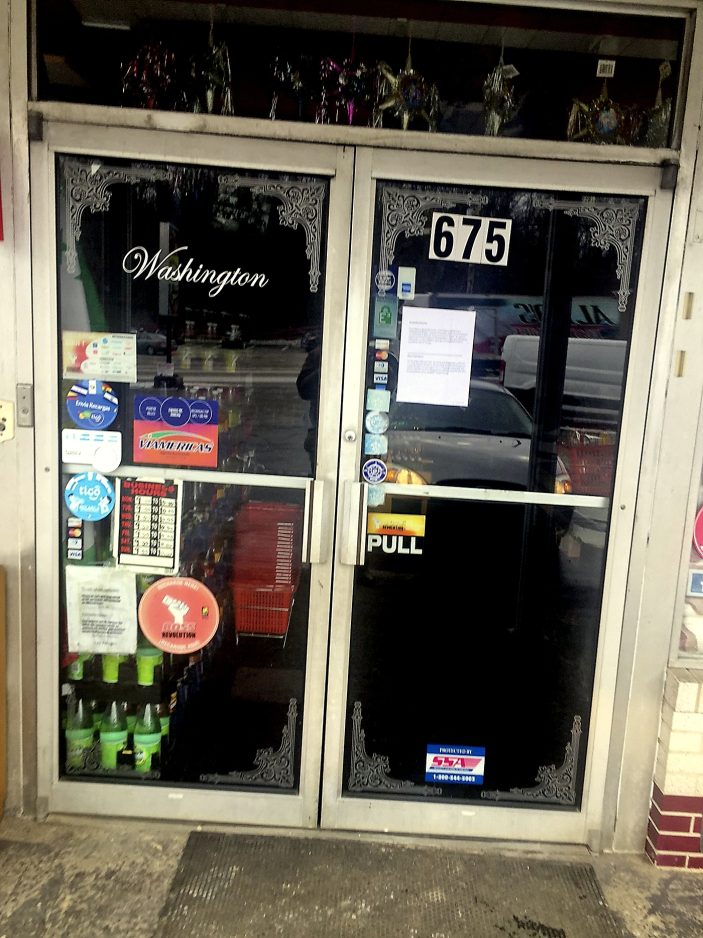
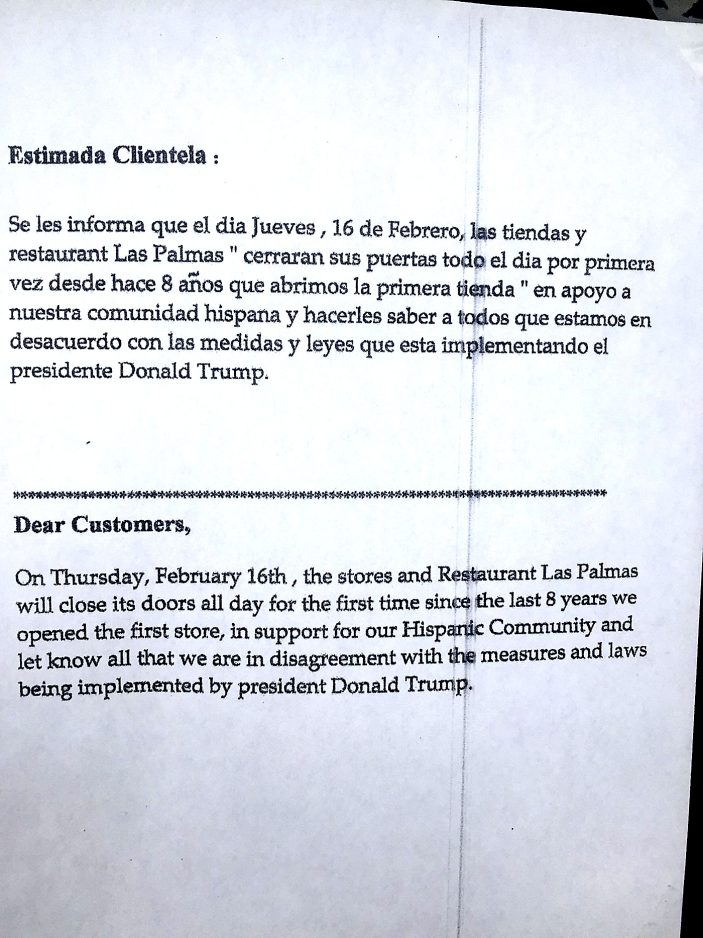
Michael Bradwell/Observer-Reporter A note in Spanish and English informs customers of the one-day closing Thursday at Las Palmas on West Chestnut Street in Washington.
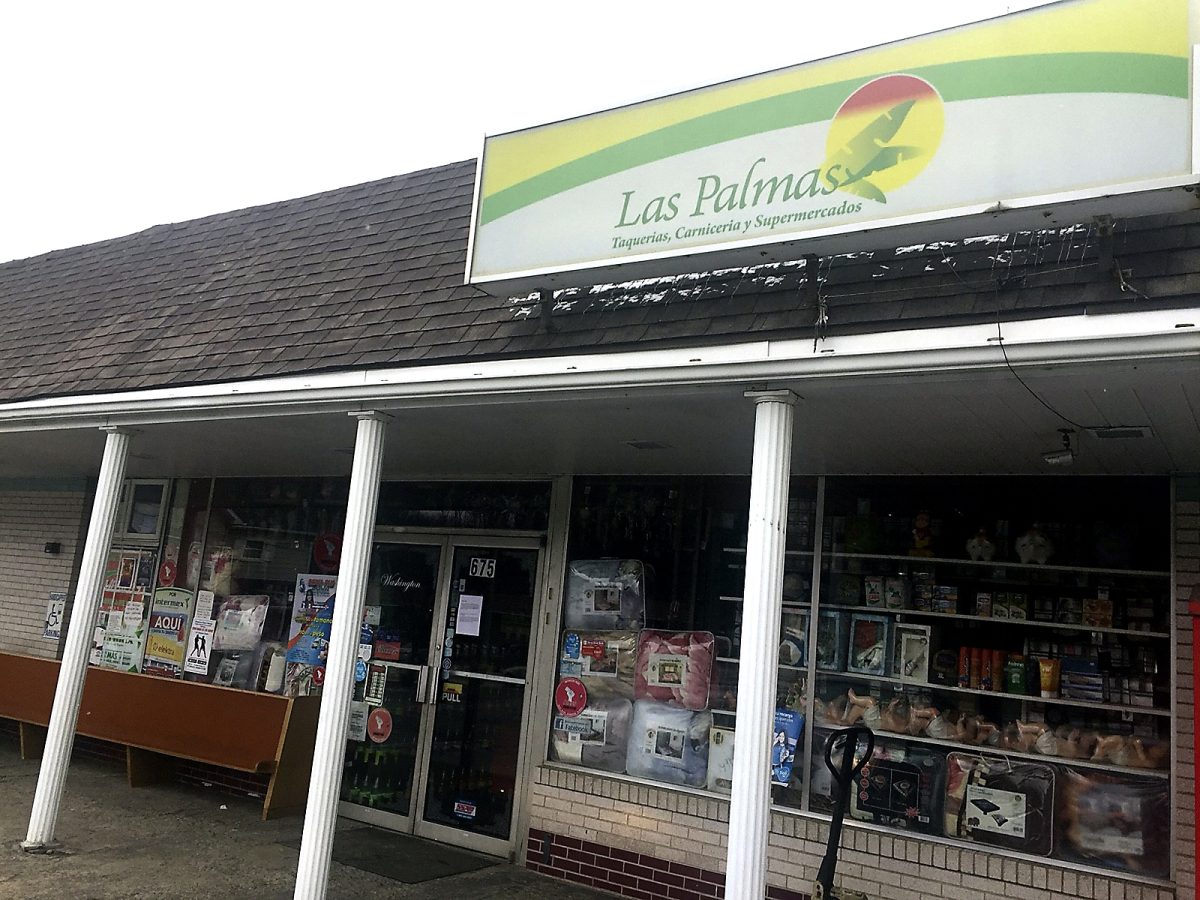
Las Palmas, a Hispanic grocery on West Chestnut Street in Washington, was closed Thursday to protest President Trump’s stand on immigration.
A note to customers on the door at Las Palmas on West Chestnut Street in Washington informs them of the store’s one-day closure to protest President Trump’s stand on immigration.
PHILADELPHIA – The heart of Philadelphia’s Italian Market was uncommonly quiet. Fine restaurants in the nation’s capital closed for the day. A string of grocery stores in Chicago shut their doors.
Immigrants around the United States stayed home from work and school Thursday to demonstrate how important they are to America’s economy and its way of life, and many businesses closed in solidarity.
The “Day Without Immigrants” protest was aimed squarely at President Donald Trump’s efforts to crack down on immigration legal and illegal. Organizers said they expected thousands to participate or otherwise show their support in cities across the United States, including Boston, Houston and New York.
Closer to home, Las Palmas, a Hispanic grocery store at 675 W. Chestnut St., Washington, was closed Thursday in recognition of the protest of President Trump’s immigration policies.
A note on the entrance in both Spanish and English read: “On Thursday, February 16th, the stores and Restaurant Las Palmas will close its doors all day for the first time since the last 8 years we opened the first store, in support for our Hispanic Community and let know all that we are in disagreement with the measures and laws being implemented by president Donald Trump.”
The local store, which opened in September 2012, is one of three in the Pittsburgh region operated by Augustine Berumen and his four brothers – Gabriel, Luis, Jesus and Francisco – who are from Toluca, Mexico. They also operate Las Palmas stores in Brookline and Oakland.
The stores feature a wide range of Hispanic food brands, as well as American staples, aimed a growing Hispanic population, some of which migrated to the area with the natural gas boom of the past decade. The stores also include taco stands featuring made to order beef, steak or sausage tacos.
On Ninth Street in South Philadelphia’s Italian Market, it was so quiet in the morning that Rani Vasudeva thought it might be Monday, when many of the businesses on the normally bustling stretch are closed.
The empty produce stands along “Calle Nueve” — as 9th Street is more commonly known for its abundance of Mexican-owned businesses — stood as a reminder of what it would look like without its immigrants. Customers were left to ponder where they would get fresh meat, bread, fruits and vegetables.
“It’s actually very sad,” said Vasudeva, a 38-year-old professor at Temple University. “You realize the impact the immigrant community has. We need each other for our daily lives.”
Boutique restaurants in Philadelphia and Washington were closed, with some owners declaring their support for their workers.
The Davis Museum at Wellesley College in Massachusetts said it would remove or shroud all artwork created or given by immigrants to the museum.
In New Mexico, the state with the largest percentage of Hispanics, school officials said hundreds of students might stay home.
In a Mexican-heavy neighborhood of Chicago, some businesses noted the shutdown and their support with handwritten signs.
Pete’s Fresh Market, a grocery store chain, closed five of its 12 stores and assured employees they would not be penalized for skipping the day, according to owner Vanessa Dremonas, whose Greek-immigrant father started the company.
“It’s in his DNA to help immigrants,” she said. “We’ve supported immigrants from the beginning.”
Stores and taco restaurants selling products by Chicago-based tortilla maker El Milagro also closed for the day, as did four of six restaurants run by Rick Bayless, a chef known for Mexican cuisine. A spokeswoman said some of the proceeds from the other restaurants would go to an immigrant rights group.
Many people who skipped work will lose a day’s pay, and many student absences will not be excused. But organizers argued that the cause is worth the sacrifice.
“A lot of people lost their jobs because they took a day off, but they are ready to risk that,” said Olivia Vazquez, a 22-year-old community organizer with Juntos and a Mexican immigrant living in the U.S. illegally.
“They are tired of their communities being criminalized,” Vazquez said. “Every human being deserves a life with dignity and respect, and we’re not getting that. They’re ready to fight back.”
The protests gained momentum in recent weeks on social media and by word of mouth.
Trump is pushing to build a wall along the Mexican border and step up deportations of immigrants living in the country illegally. He has also blamed high employment on immigration.
Observer-Reporter Business Editor Mike Bradwell and Associated Press Writers Sophia Tareen in Chicago and Russell Contreras in Albuquerque contributed to this report.