

Looking back at John Julius LeMoyne, the patriarch of Washington County
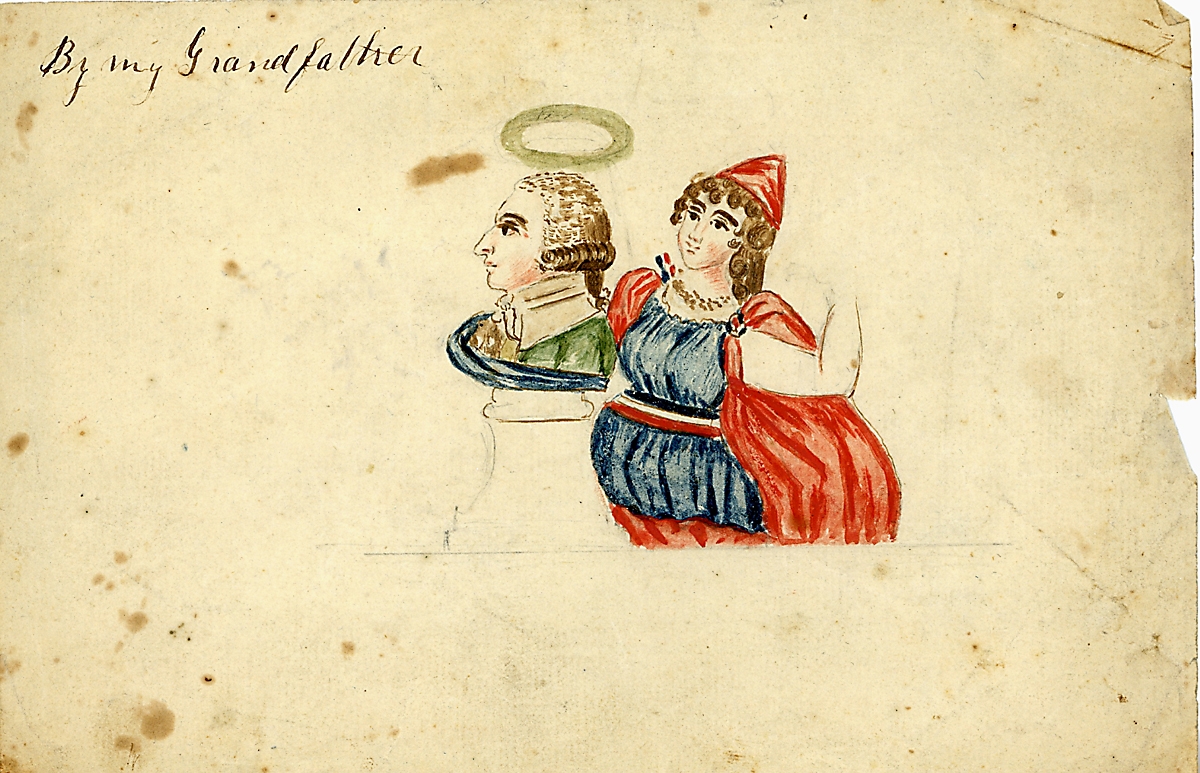
A drawing created by John Julius LeMoyne
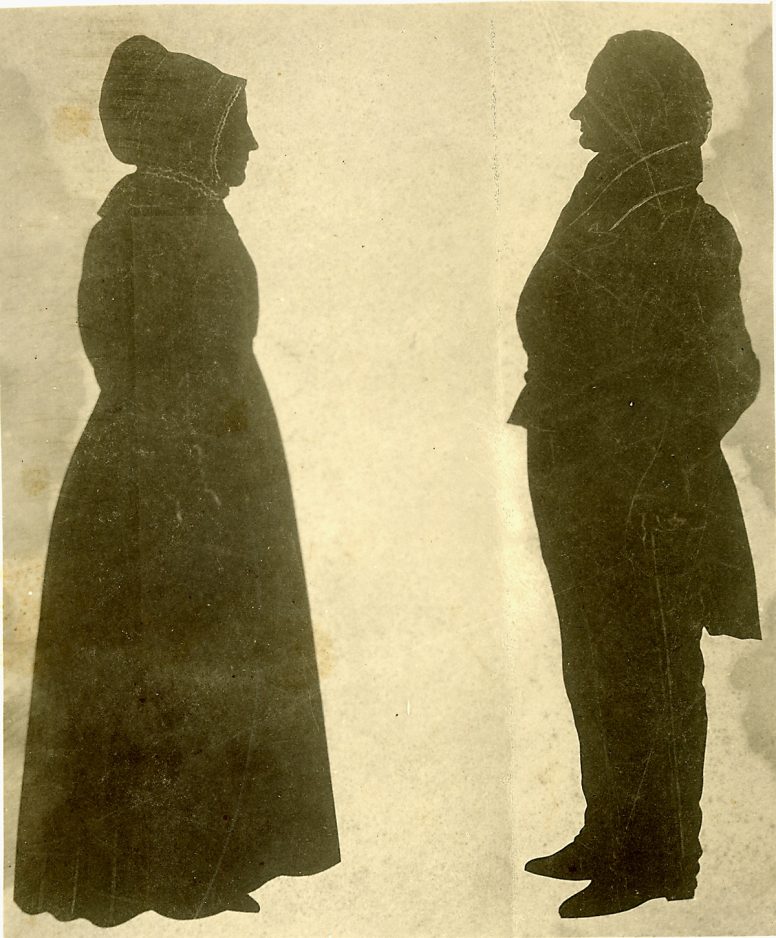
John Julius LeMoyne and his wife, Nancy McCully
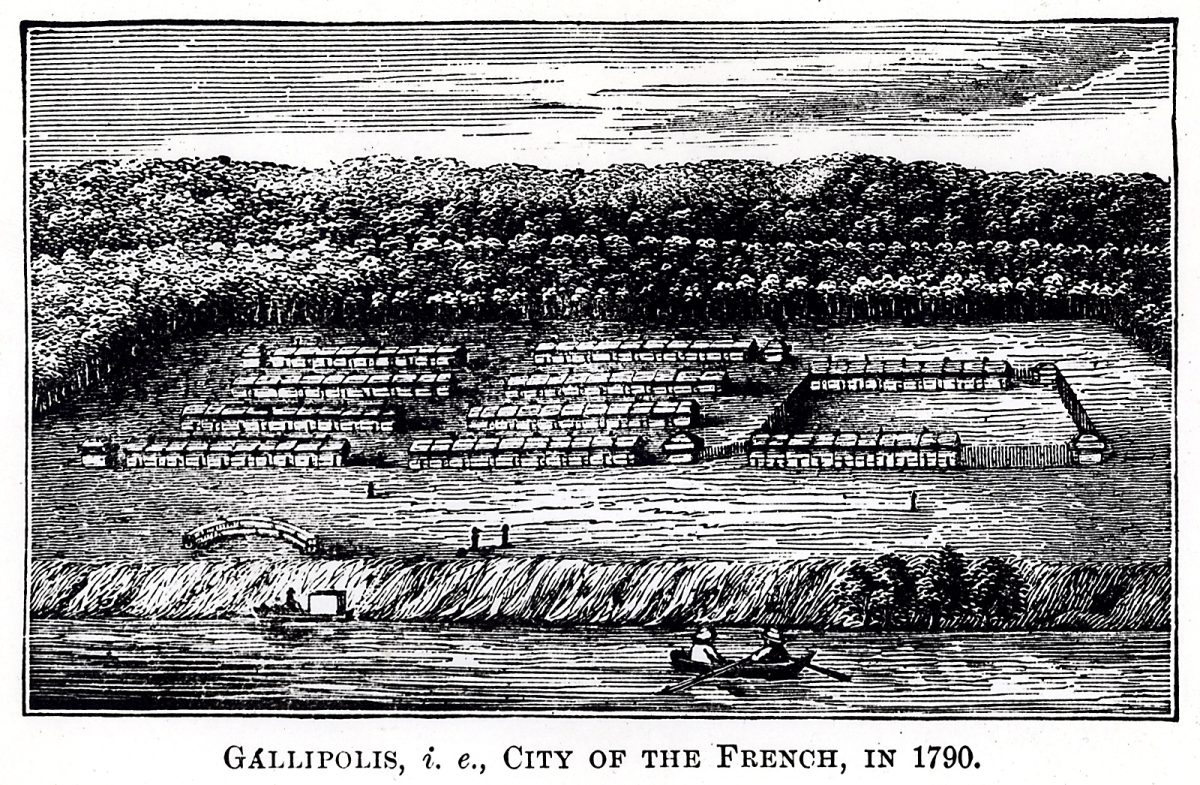
John Julius LeMoyne lived in Gallipolis, Ohio, prior to coming to Washington, Pa.
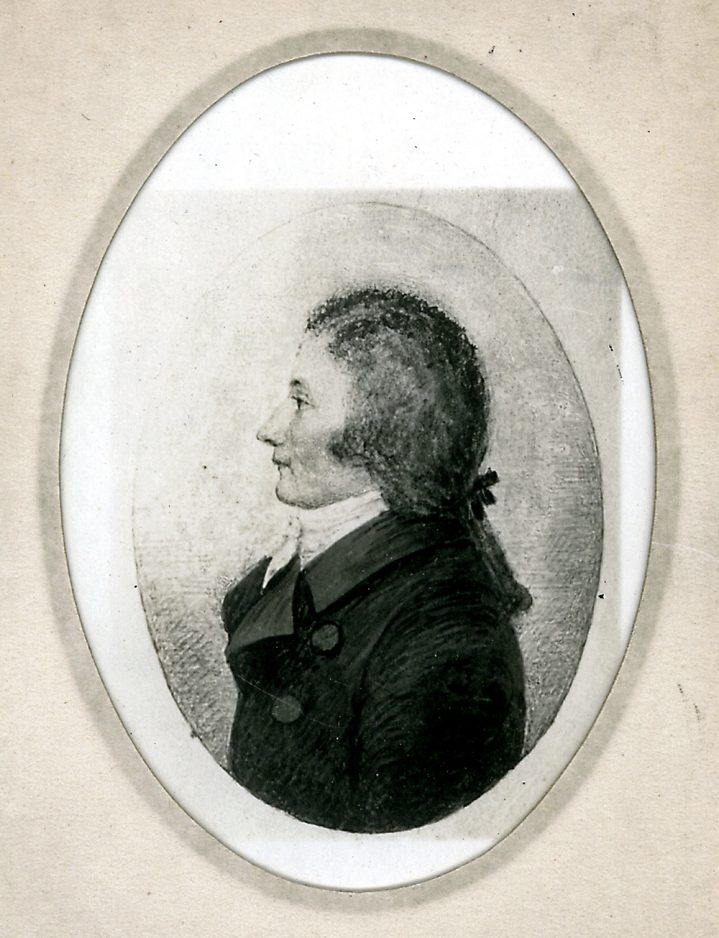
John Julius LeMoyne
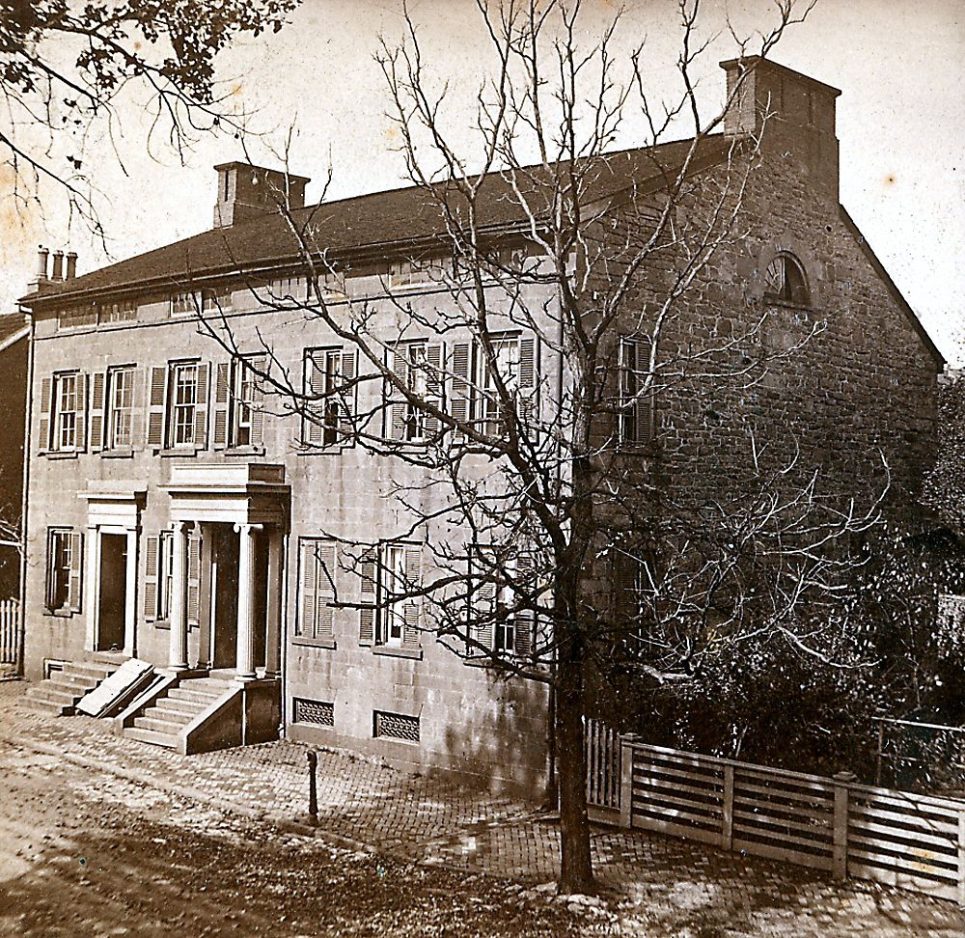
The LeMoyne House at 49 E. Maiden St., Washington, was constructed in 1812.
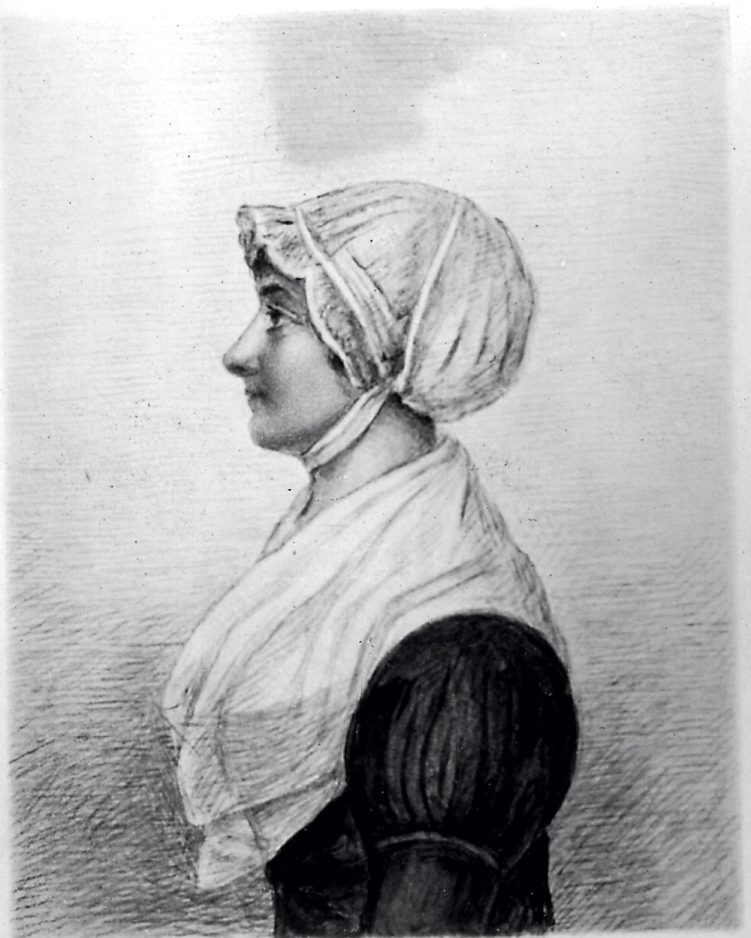
Nancy McCully, wife of John Julius LeMoyne
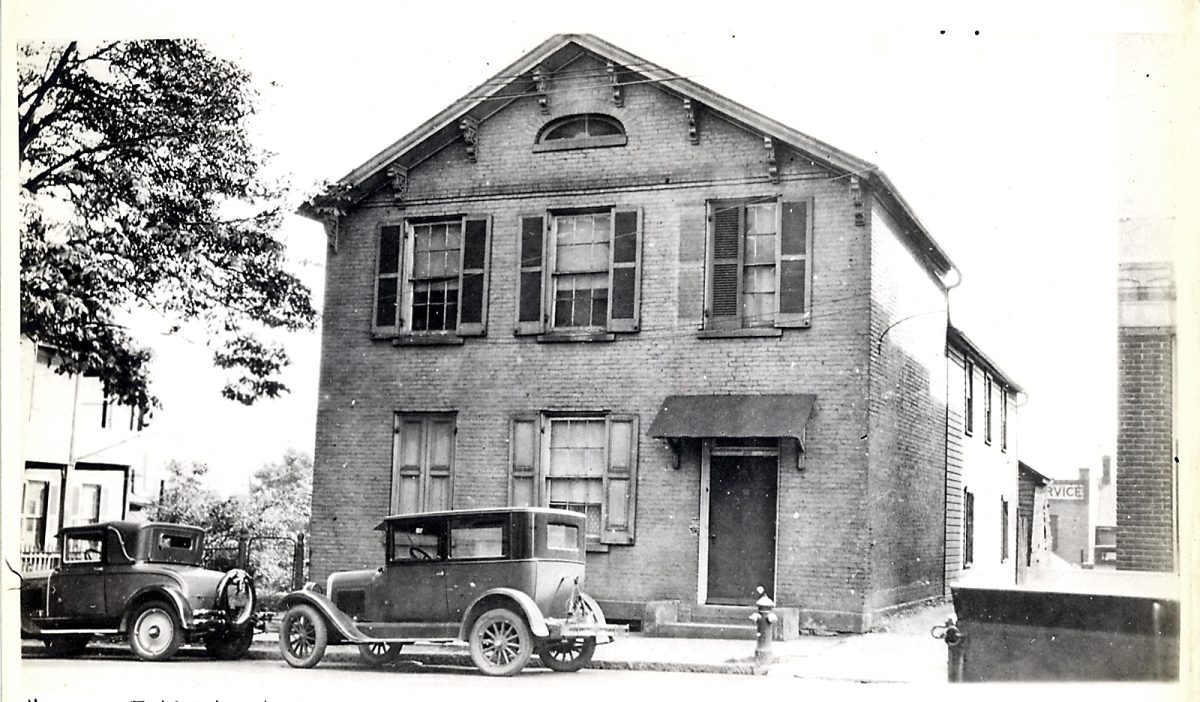
Second house built by John Julius LeMoyne at 48 E. Maiden St., Washington
Much has been said about the life and times of Francis Julius LeMoyne. Entire books have been written on this surgeon, women’s rights activist and noted abolitionist who helped shape not only Washington County but the entire country. But what of his father – John Julius LeMoyne – the man who fled his home in Paris, France, to come to America?
John Julius LeMoyne was born in a small town near Paris in 1760. From his father, who oversaw the Jardin de Plantes in Paris, John gained a love of botany at an early age that continued throughout his life. John also gained his early interest in medicine from his father. His father was a prominent physician in Paris, and John apprenticed under him to gain the training necessary to enter medical school. After receiving his diploma, John served in the French army as a physician.
On July 14, 1789, the life of John took a dramatic turn. He was walking through the streets of Paris, as he often did in the morning, when he became entangled in a large mob. Caught in the waves of people, he was forced to move along with them. Little did this Royalist know that this unexpected detour would cause him to end up being present for the Storming of the Bastille. Unfortunately, John was spotted in the crowd by a few onlookers, who also happened to be supporters of the king, and might have mistaken him for a traitor. Luckily, John survived the day, but feared what might come as a result of his accidental and unwilling participation in revolutionary activity. So he decided to leave France and come to America. There he felt he could escape the brewing revolution and be out of the reach of the vengeful Royalists. Through the Scioto Co., John purchased land in what would become Gallipolis, Ohio. He left France with his medical instruments, a model of “La Madeleine” church and a few personal possessions.
Unfortunately, those possessions would never make it to America. John’s boat and the cargo on it sank off the coast of Virginia, but the passengers were rescued by a passing ship, which was ironically named The Recovery. The passengers were let off at Amboy, N.J., and John began the journey to his new home on the frontier. After months of travel, John was ready to start his new life, but his fortunes were not yet to turn. Upon making his way to Gallipolis, John found that the Scioto Co. had not purchased land for him, but instead had absconded with his money.
John, frustrated and tempted to leave, was convinced by the Bureau Family – one of the first families of Gallipolis – to stay, as he was the only physician in the area. They set him up with a small tract of land and a log house. John, forging a new life in this foreign land, set up a medical practice and was soon married to a Ms. Vonschriltz. Within a year they saw the birth of their first child, Julie, named for her father, John Julius. Things appeared to be looking up for John, but this would be short lived. Shortly after Julie’s birth, John’s marriage began to break down. His wife proved to be an alcoholic and somewhat promiscuous. So John made the difficult decision to leave Gallipolis. It was his hope that his wife would come with him so they could start anew, but she and Julie stayed behind. As John left for his new destination, the town of Washington, Pa., through which he had traveled on his way to Gallipolis, he once again faced starting a new life in a foreign land. It should be noted that although he left his wife, John continued to support his family, and Julie spent quite a bit time with John in Washington.
In Washington, John purchased a log building on North Main Street. It served as his home, a doctor’s office, an apothecary, and an inn. John’s business grew steadily, and his fortunes finally began to turn. Not long after establishing himself in Washington, John met a young woman named Nancy McCully. She and her parents had recently come to America from Ireland. John and Nancy were married and conceived their first child, Francis Julius LeMoyne, who was born September 4, 1798. Shortly after Francis’ birth, John purchased a larger log home on the other side of North Main Street. And in 1803 his family moved to an even larger home on South Main Street, next to what is now known as the Acheson Building. Between these two structures John had his home, doctor’s office, apothecary and inn.
Shortly after purchasing his new home, John saw his medical practice begin to thrive due to the death of Dr. Absalom Baird. Dr. Baird’s passing, by default, elevated John in status to the most prominent physician in the town. It was then that John decided to close his inn, as he was making a good living with his growing medical practice.
In 1811, work began on the stone house that would be John’s new home, doctor’s office and apothecary. Construction was completed in late 1812, and the family moved into their new home in February 1813. This stately stone house on East Maiden Street, known today as the LeMoyne House, would become one of the more iconic structures in Western Pennsylvania. The house was full of activity due to John and Nancy caring for Nancy’s niece and nephew and John having a steady stream of young men who wished to study with him and learn his trade.
John was not only a respected physician, but was also considered one of the more intriguing figures in early Washington. His longstanding love of gardening stayed with him throughout his journeys, and once settled in his stone house he began developing a lush garden that surrounded the home. He had many varieties of flowers and also experimented with developing new variations on the plants in his gardens. John sat in his gardens for hours sketching detailed drawings of his plants and the wildlife that inhabited the grounds. He also had a love for exotic birds and had many species imported from Central and South America. His favorite pastime was to sit on his third-floor roof garden and play music on his French flute. It was his hope that the birds would learn the tunes and be able to sing them.
John did face some adversities during his life in Washington. Around 1820, a failed land speculation deal caused John to owe a considerable debt to investors. It looked as though he would lose his home. Luckily for John, his son Francis was able to secure funds to pay off the debt, and Francis took over ownership of the LeMoyne House. However, John and Nancy continued to live there until Francis was married and began having children of his own. John then decided to build a house across the street, which also still stands today. It was in this house that John continued his life and career until his death in the fall of 1847 at age 87.
Among his many successes, John Julius LeMoyne also faced numerous trials and tribulations. But he persevered and became the patriarch of arguably the most influential family in Washington County. His son was a prominent abolitionist who opened the home John built to fugitive slaves escaping captivity in the South. Francis also built the first crematory in the Western Hemisphere. John’s grandchildren went on to become lawyers, scholars, and physicians who would build hospitals, become professors, and even help lead the women’s suffrage movement. Today his descendants carry on this tradition of excellence and are leading physicians, researchers, businessmen, actresses and entertainers. The legacy of John Julius LeMoyne is extensive and continues to grow with each generation of the LeMoyne Family.