

Historic buildings contribute to downtown’s look
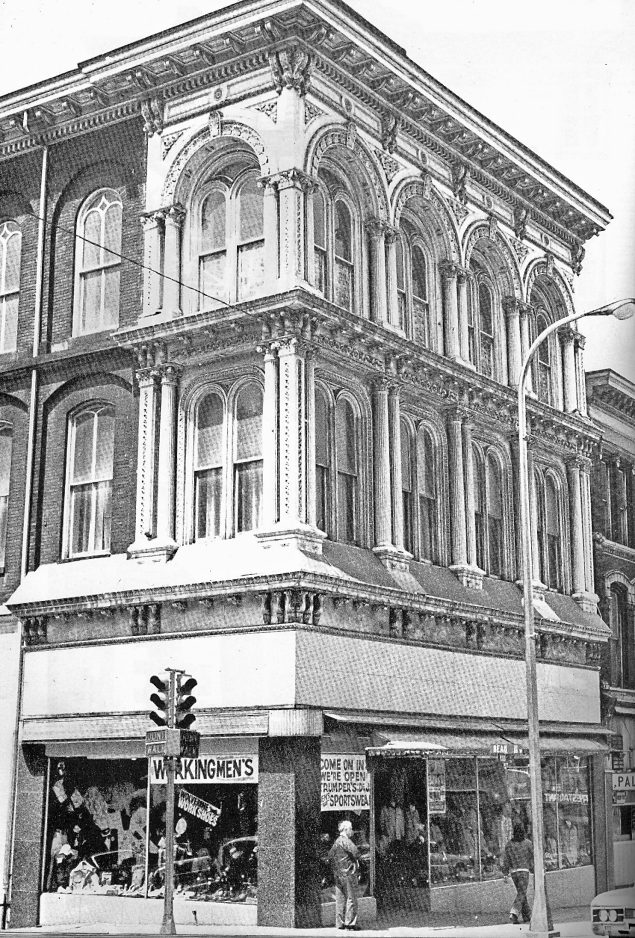
A photo of the building at 3 N. Main St. taken in the mid-1970s
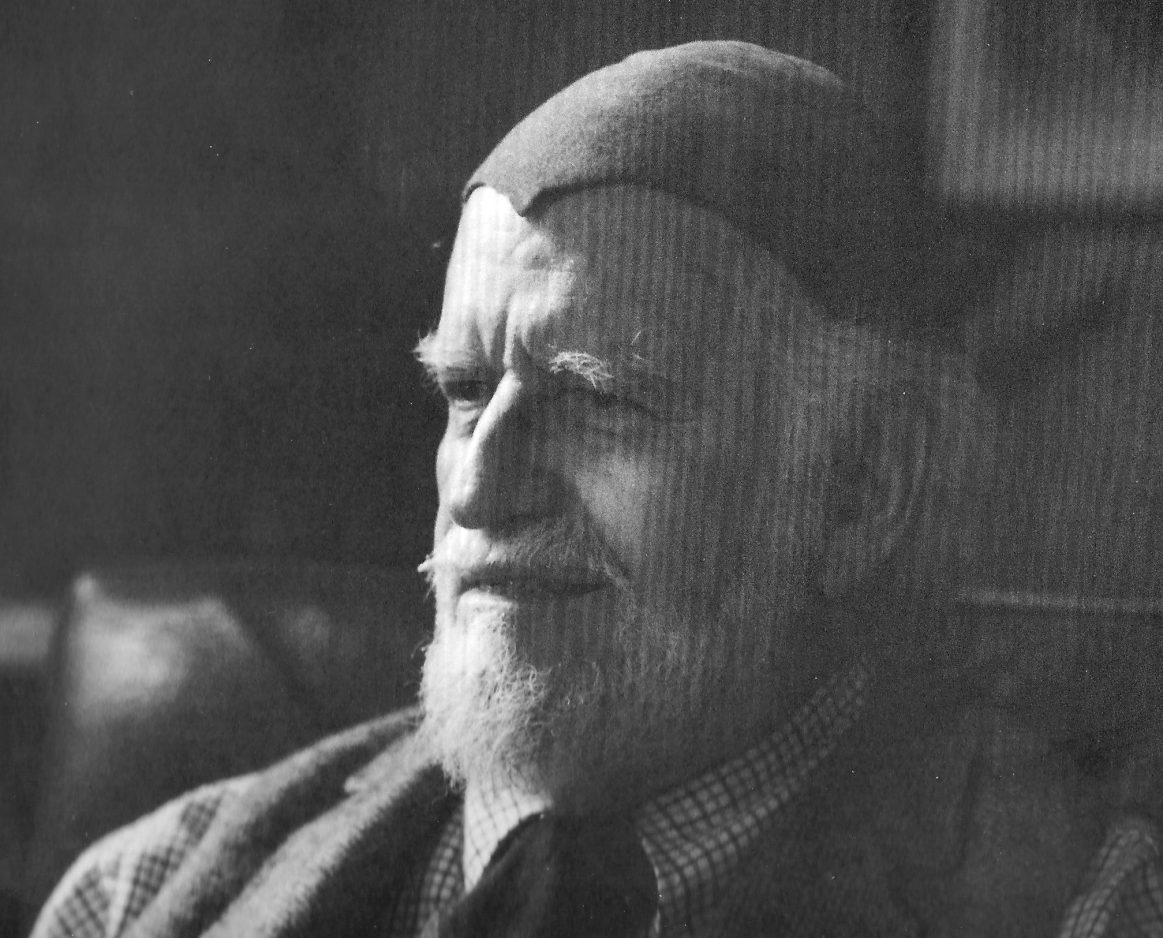
Artist Malcolm Parcell at age 89 in 1985
One of the buildings that provides an attractive backdrop for Main Street visitors is also one of the downtown’s original anchors in the business district.
The building at 3 N. Main St. boasts a decorative iron facing that covers all three stories that is unique to the city’s streetscape, according to Ray Knestrick’s “Old Buildings On Main Street, Washington,” published by the Observer-Reporter in 1975.
Current owners Felix and Maria Magnotta recently purchased a plaque from the Washington County History and Landmarks Foundation for the structure, which was built in 1861, but will have to wait awhile before displaying it.
In the aftermath of the partial collapse of the neighboring building at 15 N. Main St., emergency crews knocked three holes in a wall bordering the collapsing structure, also known as the Montgomery Building, during their rescue of resident Megan Angelone.
According to Knestrick’s research, sometime prior to 1860, William Smith purchased the former Wilson property at the northwest corner of Main and Beau streets, erecting the building originally known as the Smith Iron Front Building and later called Iron Hall.
It is the only iron-clad building in Washington and, according to Knestrick, while decorating buildings with iron began in the 1830s, Smith’s full treatment of an iron front may have been one of the first to be built in the United States.
The style had its heyday between the 1850s and 1880s, when “cast iron columns, cornices, balusters and brackets, and arched windows were put on buildings to decorate them instead of stone.”
In the case of Iron Hall, Knestrick noted “the beauty of the colonnaded windows on each story and the street entrance to the second and third floors on Beau Street with its arched entrance of iron and stone, and the keystone in the arch, on which is the name of the builder, the date when built and a Masonic insignia on the stone.”
Smith and Son general store was moved to the main room of the building just after it was built, remaining there until just before 1900. Later the main floor housed the Murphy Dry Goods store, while the second floor contained a printing shop and the third floor was the scene of theatrical shows, with a stage on one end of the floor and seating for spectators. Other early tenants were Second Presbyterian Church, the Masonic Order and the Van Orden Business College.
No one is certain of the exact date the Montgomery Building was constructed, but Knestrick estimated it was in the 1890s. Early in its life, the building housed a confectionery on the main floor, a jewelry store, and dentists’ offices on the second floor. According to Knestrick, in 1929, artist Malcolm Parcell rented the third floor, and had a studio and living quarters there until he moved to his country estate, Moon Lorn, near Prosperity.