

More to be done to tackle blight
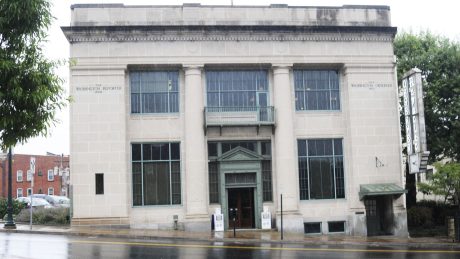
“It was the best of times, it was the worst of times,” is the oft-quoted phrase from the opening paragraph of Charles Dickens’ literature-class mainstay “A Tale of Two Cities,” and while it’s admittedly a tad shopworn, downtown Washington is, in certain respects, in the midst of its best times and its worst times.
Perhaps calling it “A Tale of Two Downtowns” would be appropriate.
As we have noted in news stories and on this page, Washington’s long-beleaguered downtown has seen a burst of renewal over the last 10 years or so. After decades on the ropes, it seems downtown Washington is, at last, getting back on its feet and finding its fighting form.
But, then, there’s the other side of the downtown coin – the blighted buildings that have not seen habitation or customers in this century, that are decaying within plain sight of the events and activities that are luring visitors to Washington’s downtown. The partial collapse of a building at 15 N. Main St. July 12 highlighted just how critical the situation is. As we pointed out in a Monday editorial, businesses within the immediate vicinity of the so-called Montgomery Building will almost certainly see a drop in their business as a portion of North Main Street is closed for the time-consuming process of dismantling the crumbling structure. The collapse could also slow the progress Washington’s downtown has made.
If anything good can come from the building’s devastating failure, however, it’s the renewed determination to put locks on and, possibly, bulldoze buildings that are deficient, dangerous, or have long outlived their usefulness.
Washington officials, including Mayor Scott Putnam, have said that they will look toward getting rid of other blighted buildings in the city’s downtown once 15 N. Main St. is gone. Washington is hardly the only spot on the map that must deal with blight – smaller towns in Washington and Greene counties are grappling with it, as are other communities that surround Pittsburgh. Some of America’s biggest cities, like Cincinnati, Baltimore and Cleveland, have experienced declining populations and decaying buildings. The problem uniting them all is money. It’s costly to tear down houses or businesses, and municipalities with shrunken tax bases can be hard-pressed to scrape up the revenue to accomplish this. It’s why Detroit is famously plagued by block after block of deteriorating, abandoned houses and businesses that are a ball and chain for a city that is struggling to reverse a half-century of decline.
It should also be pointed out swinging the wrecking ball is not the sole, one-size-fits-all solution to blight. The new Washington County Land Bank, which is designed to acquire foreclosed or abandoned properties, recently made its first three acquisitions. Officials said they will rehabilitate apartments above a commercial building in Charleroi and a vacant house in West Brownsville (the third property is a vacant lot). Such efforts need to continue.
To their credit, lawmakers in Harrisburg have been trying to help their local counterparts. The commonwealth’s Act 152 would allow the county to place a fee of up to $15 on each mortgage or deed that would help cover the cost of building demolition. Debbie Bardella, Washington County’s recorder of deeds, said she opposes it because it places a burden on property owners. But the value of those properties would increase in the long run if abandoned buildings nearby are rehabilitated or leveled. Many studies have also shown remediating blight also reduces crime and increases property tax revenue.
That $15 could, in fact, not be a burden, but money well spent.