

Tax increase and furloughs part of Fort Cherry budget
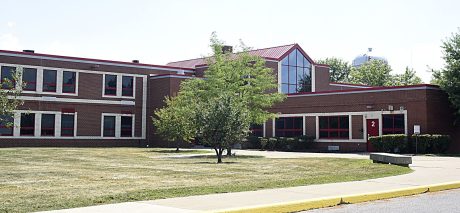
Fort Cherry School Board Monday passed a budget for next year that includes furloughs of two teachers and a 0.365-mill increase in property taxes.
Revenue from property taxes, state grants and subsidies, and federal funds is expected to total $17.29 million to pay for most of $17.49 million in anticipated expenses.
The roughly $228,000 gap between revenue and expenses – which the district will cover with reserve funds – is a fraction of the projected $1.5 million shortfall Superintendent Jill Jacoby said the district faced at the beginning of the budget process.
She said officials strove to minimize the effects on students’ education as they looked for places to shave the spending plan.
“The cuts are trying to be outside the classroom and not impacting students,” she said.
Along with two furloughs – of teachers in the elementary school and special education department – the district plans not to replace four others who are retiring this year.
Jacoby cited declining enrollment – from 1,600 to 1,000 students over the past 10 years – and changes in district programs as reasons for the furloughs.
As part of the shuffle prompted by the staff reductions, officials decided to assign a high school gym teacher to teach health.
An extra gym teacher at the high school, in theory, allowed for male- and female-only gym classes. But in practice, Jacoby said, classes have been coed during the 16 years she’s been with the district.
“That’s why that was a sensible (move),” she said, “because it wasn’t affecting the kids’ programming to get rid of that.”
Jacoby said the district will also cease Title I services – part of a federally funded program that provides extra instruction in basic skills like reading to disadvantaged students – for students in grades four to six mainly because of a shortage of federal funds.
“We’re looking at other strategies for intervention and reteaching at those grade levels to make up for the cuts we have to make,” she said.
A mill generates $557,264 in the small, rural district.
If the district saw no increase in revenue following the countywide reassessment, the new millage rate would have been 11.4 mills, business manager Jessica Drylie said. The board set the new rate at 11.765 mills.
The increase means an additional $41 on the tax bill for a house assessed at the district median value of $112,465.
About 56 percent of the district budget comes from state revenue, according to Drylie. She predicted a “slight increase” in basic and special education funds from the state but a larger reduction in transportation subsidies, which are targeted for $50 million in proposed cuts statewide this year.