

TRPIL makes progress on new site
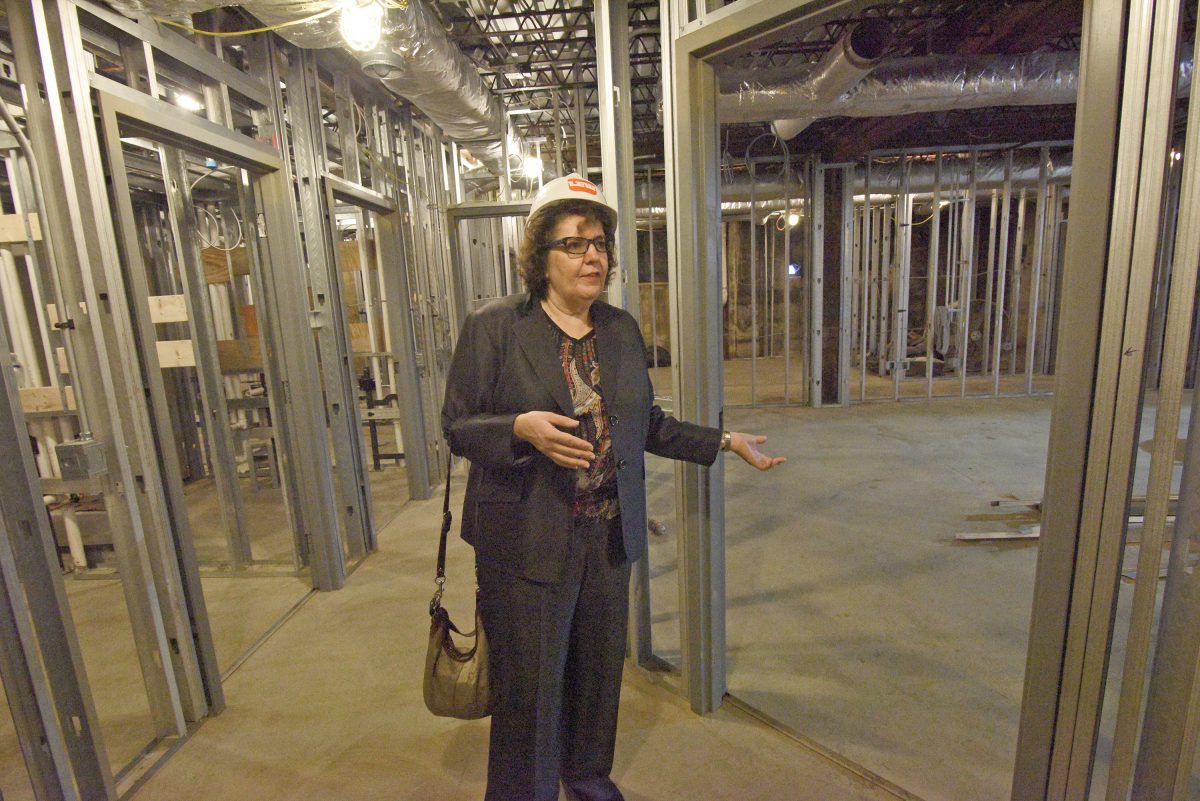
Celeste Van Kirk/Observer-Reporter
Joann Naser, director of development for TRPIL, speaks during a tour to show progress on the renovation of the organization’s new headquarters in Washington.
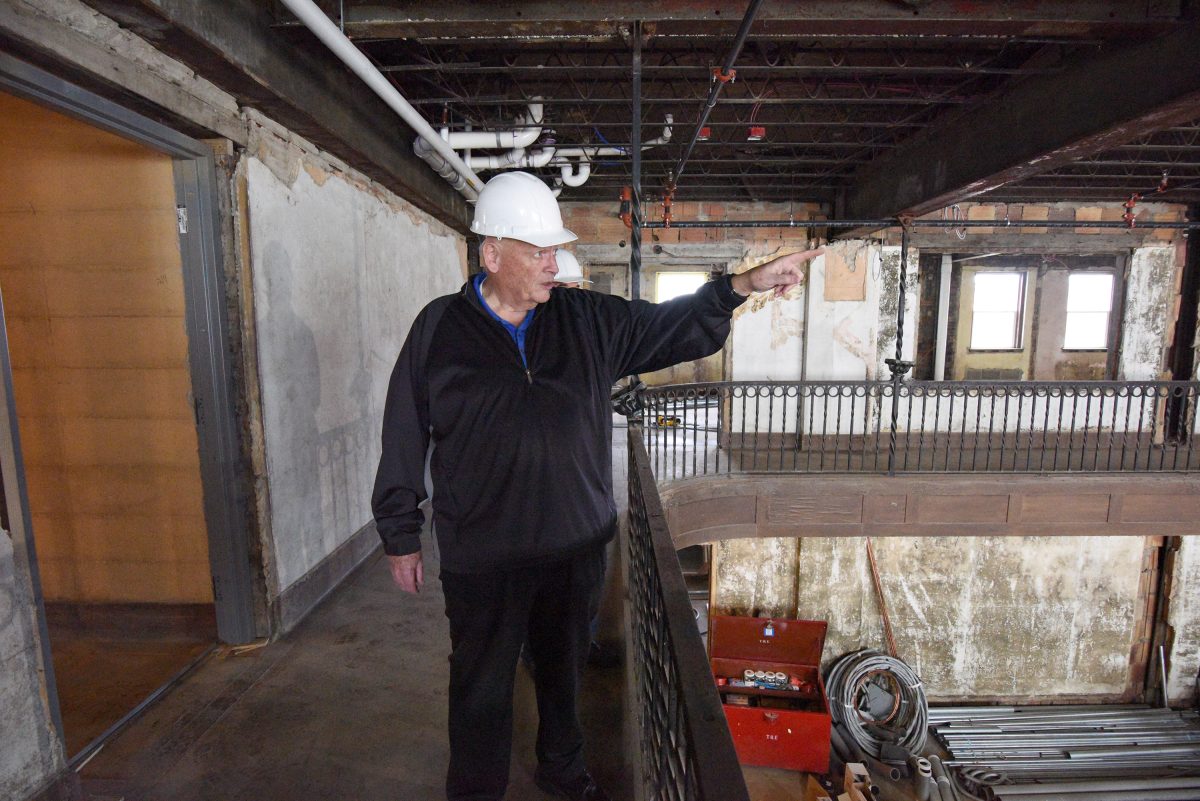
Celeste Van Kirk/Observer-Reporter
Dave Ball, project manager for TRPIL, points to new windows during a tour of renovation work at the organization’s new headquarters in Washington.
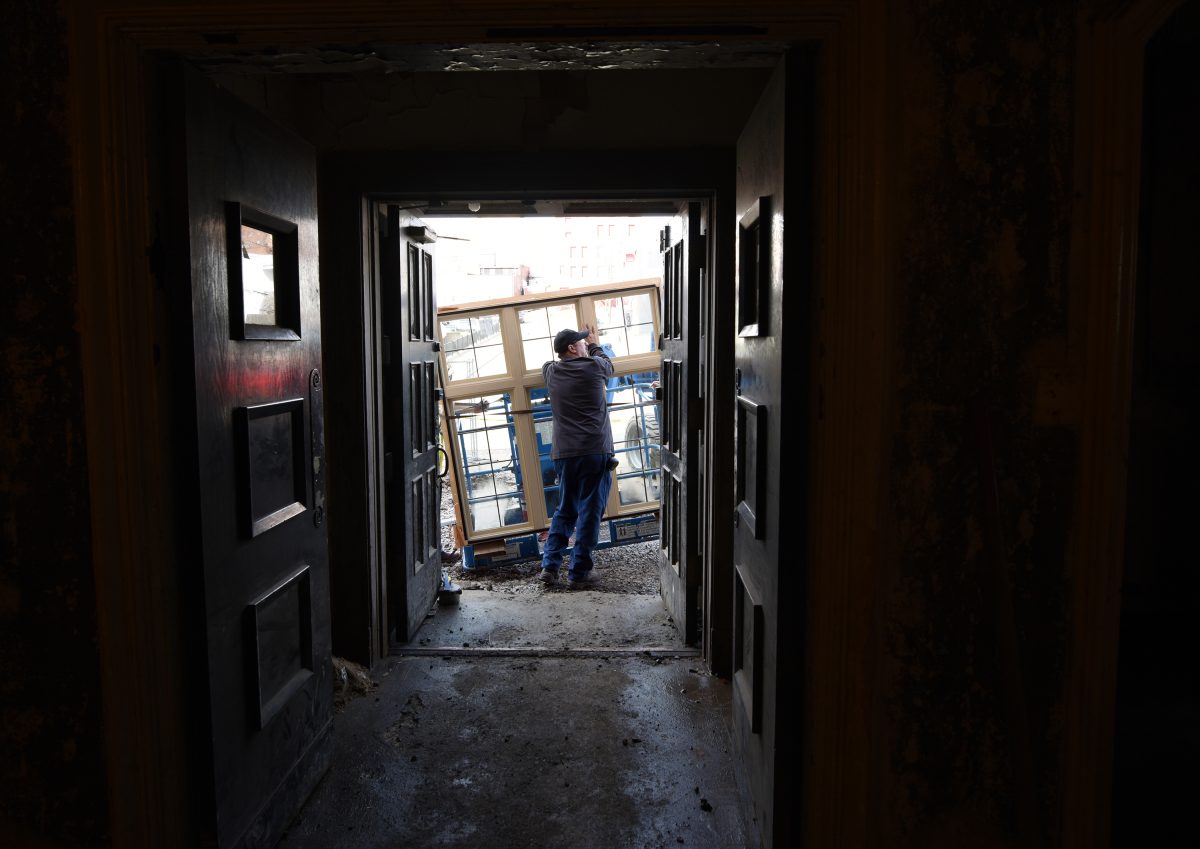
Celeste Van Kirk/Observer-Reporter
New windows are being installed as part of the renovation of the TRPIL building in Washington.
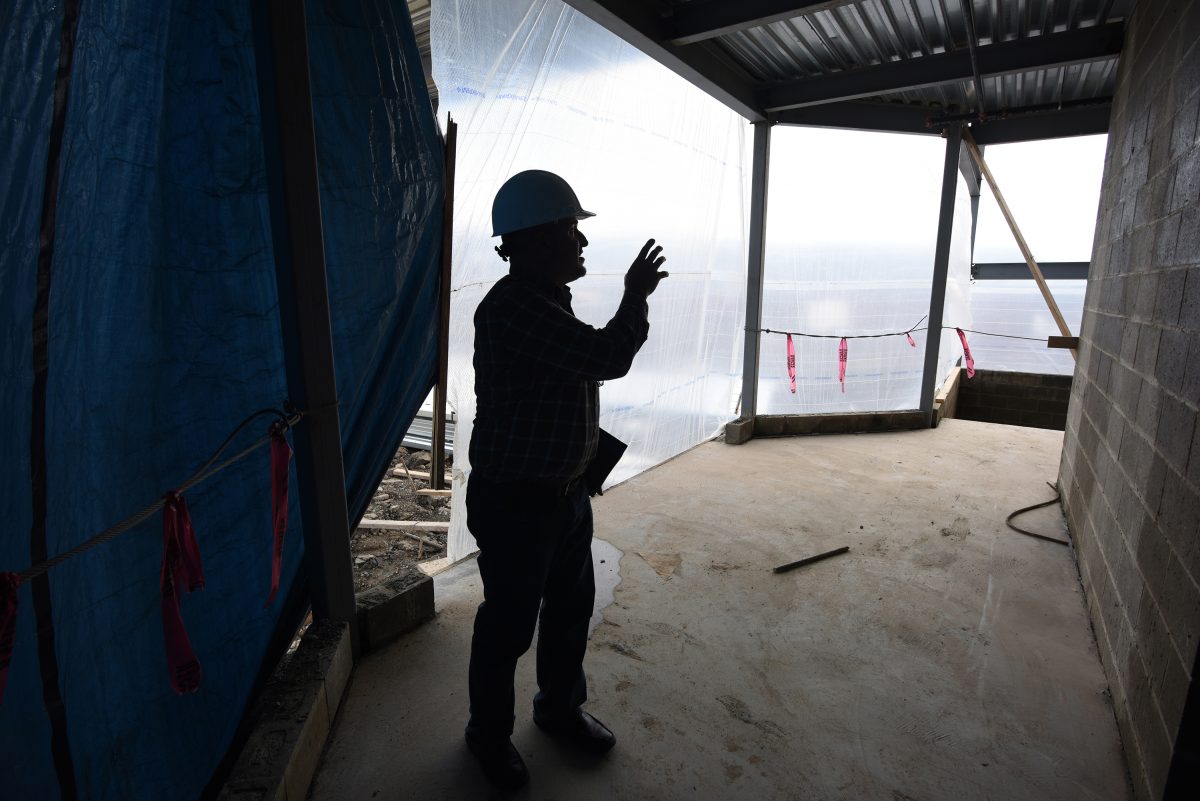
Ken Kulak, architect for the project, discusses progress on renovations to the TRPIL building in Washington.
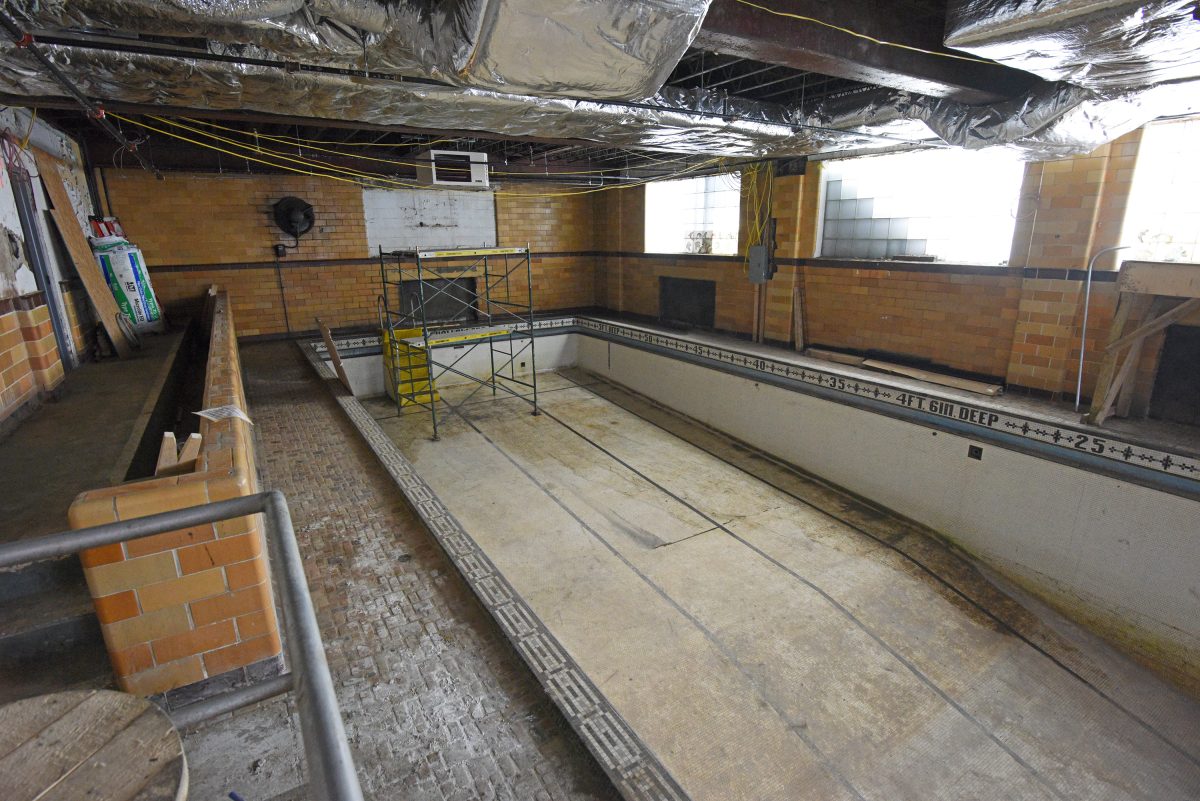
The swimming pool at the former YWCA will be filled in as part of renovations to the TRPIL building.
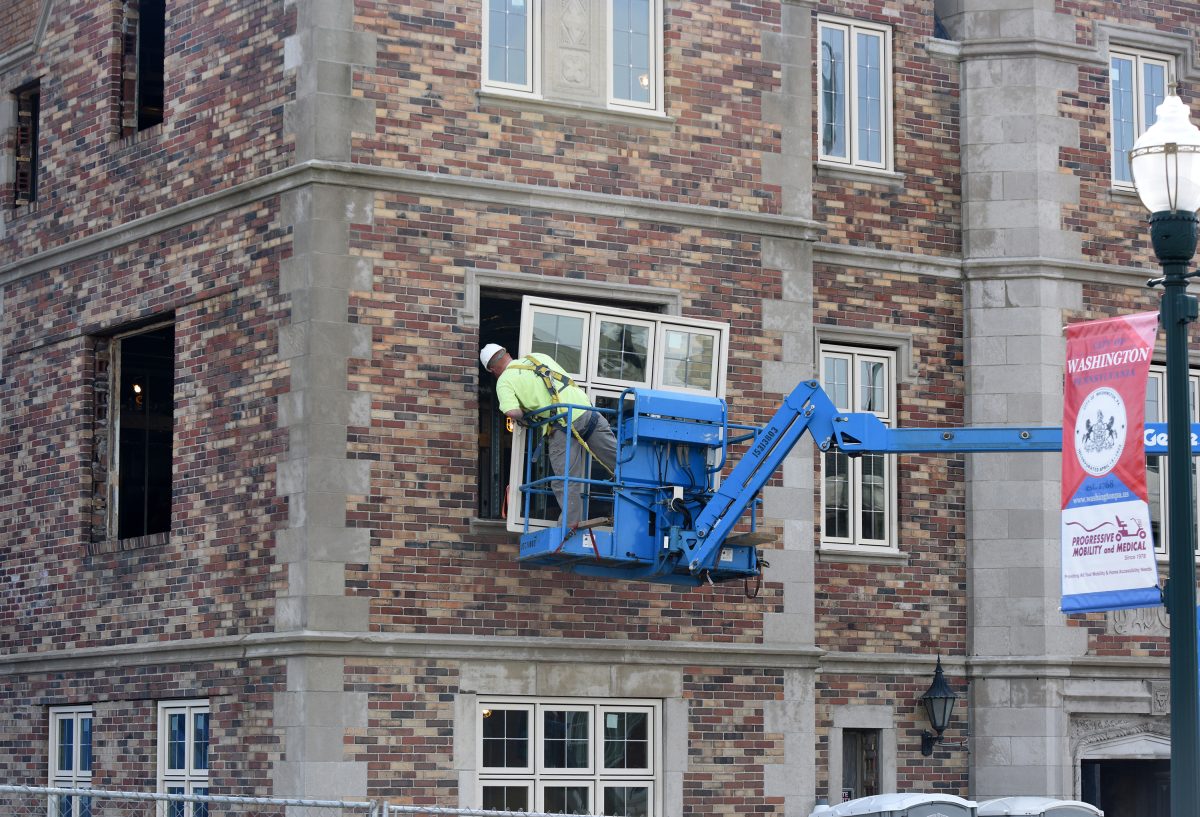
New windows are installed as part of the renovation at the TRPIL building in Washington in this file photo taken in February 2018.
A local nonprofit has made progress on its new home in the former YWCA building at 42 W. Maiden St. in Washington.
Transitional Paths to Independent Living, which advocates for the rights of people with disabilities, is almost done with its first phase of the building’s renovations.
“We’re just all very excited about it and looking forward to being in the renovated facility and having more space for people,” said Joann Naser, director of development for TRPIL.
Construction on the YWCA building, which was built in the 1920s, began in July. The new TRPIL headquarters will provide more space for offices and community events, than its present building at 69 E. Beau St., said TRPIL Chief Executive Officer Kathleen Kleinmann.
“It’s to show Washington County that we’re proud to be a part of their community,” she said.
The first phase, which will cost $4.3 million, is expected to be completed in May. It will include the renovation of the basement level into a training center and the front portion of the building on the first, second and third floors, into offices, an internet café, wellness gym and assistive technology center, according to TRPIL project manager Dave Ball.
A glass addition on the side of the structure will allow access to transportation under a protective roof and an attached high-tech elevator at that entrance will be able to accommodate three wheelchairs.
Architect Kenneth Kulak II, said that he, along with contractor Waller Corp., plan to use different color schemes and floor textures to assist those with hearing and sight impairments. He also said the walls will be made of material resistant to scratches and bumps from wheelchairs.
Kulak said he based his design for the building off the original drawings “to keep the historical integrity” of the building.
“The things that we are saving are what’s important here,” he said. “There are things here that people would recognize historically.”
Some of those include the brickwork on the front façade of the building, the 1920s-style front staircase and railings and large wooden castle doors, according to Ball. He said molds were also taken of decorative plaster on some ceilings and a stage.
Ball said the YWCA housed about 10 to 15 women at a time until about the 1960s, when the building took on “a number of other uses,” including a preschool. He said the building was vacant for about 10 years before TRPIL took it over.
“It’s amazing, in the time we’ve been here, there have been many people talking to us about how they learned to swim here or came to community dances here,” Ball said. “There’s a real history in this place. We really didn’t know what we had when we bought it.”
Kleinmann said she can tell by the way the building was originally built that the YWCA was “acutely aware” of people with disabilities in the community.
“Back then, people with disabilities were considered to be a burden to their families, and with that attitude, there wasn’t much mixing into society,” Kleinmann said. “It’s astounding that in the ’20s when this building was built, it had an elevator and the pool was wheelchair accessible. The woman and community members who built it had some insight into that.”
Kleinmann said TRPIL has been happy to salvage as much of the building’s history as possible, but it doesn’t take precedence over providing service for people.
“That’s why we really need community support,” she said. “It’s to show Washington County that we’re proud to be a part of their community.”
Much of the funding for the project has come from grants, mainly the state’s Redevelopment Assistance Capital Program. Earlier this month TRPIL applied for $3 million in RACP funding to pay for phase two of construction. Any local matches required of TRPIL has primarily come from donations and fundraisers, according to Naser.
One upcoming fundraiser is TRPIL’s Walk, Run, Roll 5K, to be held April 28 at South Strabane Community Park. Those interested in participating, sponsoring or donating can visit TRPIL’s website at www.trpil.com for more information.
“Sometimes people are shy or withdrawn around us,” Kleinmann said about people with disabilities. “We look a little different and put people in unfamiliar areas. The more we interact and are together, people get more comfortable. It’s all about we want to have interactions with the community.”