

Southwestern Pennsylvania counties above state average for opioid-related hospitalizations
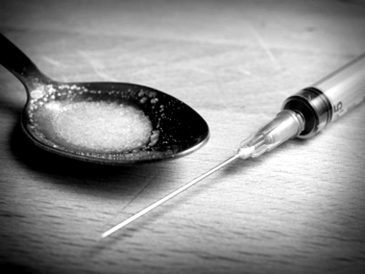
Fayette, Greene, Washington and Westmoreland counties all ranked above the statewide average opioid-related hospital admissions rate in 2017, according to a report issued Tuesday by the Pennsylvania Health Care Cost Containment Council.
Fayette County had the fourth-highest rate of opioid-related hospitalizations among Pennsylvania’s 67 counties according to the report, at 516.5 per 100,000 residents (572 overall), exceeded only by Carbon County’s 716, Elk County’s 615.7 and Philadelphia County’s 566.8.
According to the report, Westmoreland County had 1,304 total opioid-related hospitalizations at a rate of 435.1 per 100,000 residents, while Washington County had 620 total at a rate of 356.2 per 100,000 residents and Greene County had 109 at a rate of 352.9 per 100,000 residents.
Lisa Ferris, assistant executive director of the Fayette County Drug and Alcohol Commission, said that referrals are sometimes made to the commission when a hospitalized person is interested in substance use treatment, noting that the commission sends a case manager to the hospital to complete a level-of-care assessment and make a recommendation.
But if the individual is discharged quickly, Ferris added, that process sometimes isn’t feasible.
Ferris said case managers make every effort to ensure individuals being discharged from a hospital are picked up if they need inpatient services such as detoxification or rehabilitation.
“Our goal is for the individual to go from bed to bed and decrease the risk of them using again,” Ferris said.
Most of the 36,712 opioid-related hospital admissions reported in 2017 – 83 percent – were for patients who had opioid use disorder as a co-occurring condition. Per the report, 9.5 percent were for opioid overdoses, and 7.5 percent were for opioid use disorder.
Cheryl Andrews, executive director of the Washington County Drug and Alcohol Commission, said many opioid users don’t seek help unless they have a serious medical condition “co-occurring.”
“A lot of these individuals may be presenting in the emergency department a physical ailment of some sort, and through the assessment process, it’s determined they may have an opioid use disorder,” she said. “The ones that they’re admitting are definitely the ones that are medically compromised.”
That’s why it’s so important, she said, to have a collaboration at all levels of services, from first responders and the hospital staff to the Drug and Alcohol Commission and local treatment providers.
“We’ve really been working with our hospitals to have a welcoming atmosphere for people with any substance abuse disorders,” she said. “The emergency department doctors are becoming more aware and savvy on how to recognize opioid use disorder. And not everybody may enter through the emergency department, but I think that is a testimony to the good work that the hospitals are doing.”
Karen Bennett, Greene County human services administrator, noted most of the outpatient assessments her organization conducts reveal a co-occurring mental health disorder.
Elizabeth Comer, director of clinical and case management services at Westmoreland Drug and Alcohol Commission, noted 122 of the commission’s 165 individuals referred for drug and alcohol evaluation at Excela Health’s Frick, Westmoreland and Latrobe hospitals through mobile case management from January through September were covered by Medicaid.
Comer said Medicaid expansion has allowed the commission to expand services, allowing for case management and recovery support services that help individuals reintegrate themselves into society by connecting them with 12-step programs and gainful employment opportunities.
“If that goes away, then that could jeopardize a lot of programs,” Comer said of Medicaid expansion, which was implemented in Pennsylvania in 2015.
The statewide number of hospitalizations has leveled off in the past two years after having increased more than 103 percent between 2008 and 2015, according to the report.
The state’s hospitalization rate for 2017 was significantly higher in low-income areas, according to the report. For areas with average income levels below $30,000, the rate roughly doubled compared to incomes between $30,000 and $60,000, from 389.7 per 100,000 residents to 788.6.
The report noted the prevalence of Medicaid among opioid-related hospitalizations.
Medicaid was the payer for 44.3 percent of opioid-related hospitalizations, much higher than the 16.9 percent of all hospitalizations it covered.
Medicare, in contrast, was the payer for 52 percent of all hospitalizations, but just 27.5 percent of opioid-related hospitalizations.
Statewide hospitalization rates were higher for men and the age bracket with the highest rate was between 35 and 54, the report said. The rate for urban areas, 361.1 per 100,000 residents, was higher than rural areas, at 304.9.
Created by the state General Assembly in 1986, the Pennsylvania Health Care Cost Containment Council is an independent state agency charged with collecting, analyzing and reporting information aimed at improving the quality and controlling the cost of health care in the state.
Mike Tony, Herald-Standard staff writer, contributed to this report.