

S. Strabane approves above-ground water storage site for several Range well pads
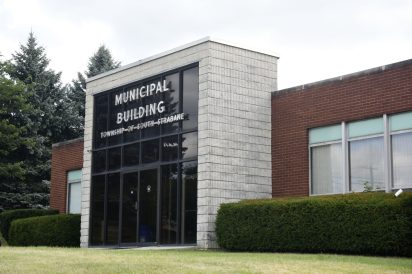
South Strabane Township supervisors on Tuesday unanimously approved a proposal by Range Resources to use a water tank at its Munce well pad in fracking there and at several other existing and planned shale gas well pads in the vicinity of the Meadows View Road well site.
The board did so following a public hearing during which representatives for the gas driller presented their plans, which they said involve using a 9,000-barrel tank to store water from Pennsylvania American Water Co.’s system at the Munce pad.
“There’s no proposed construction for it,” said Carl Matz, Range civil engineering manager. “The tank pad exists. It was built for, primarily for the Munce well pad. This would enable us to use this tank pad for additional nearby completion operations” – the stage of water involving hydraulic fracturing of a well that’s been drilled – to reduce truck traffic to and from company sites in the area.
Matz said the company would tie into Pennsylvania American’s system at the Munce pad, where the company would place a temporary tank resembling a massive above-ground swimming pool to store water when it was needed for the completion phase of a well. It would be removed when it wasn’t needed.
From Munce, pipes would bring water to another well site in North Strabane Township where construction is expected to begin next year.
Water would be carried by truck to the Wagers well pad in Amwell Township, and taken from there by pipe to the Zediker Station well pad in South Strabane.
Wagers is expected to use water for completion early in 2020, and would be the first site in the system to need water from the Munce site.
The company said the tank itself didn’t require state Department of Environmental Protection approval.
Among the conditions that supervisors placed on their approval were requirements that the company only use the site for above-ground storage of fresh water, which could only be used for the four well sites discussed.
Range’s proposal appeared on the meeting agenda as a “freshwater impoundment,” but company spokespeople described the second half of that phrase as misleading for their plans.
Environmental violations at in-ground impoundments earlier this decade caused it to rack up millions of dollars in fines for environmental violations.
Last year, Range was party to a multimillion-dollar settlement – of which Range’s insurance provider paid $1.88 million – to settle a lawsuit by people who averred that the company’s operations at the Yonker well site in Amwell, which included a drill-cuttings pit and impoundment, had contaminated their property and affected their health.
“This is more akin to a tank pad,” said Max Junker, an attorney for Range.