

Ratification of the 19th Amendment was the culmination of a long battle
Courtesy Library of Congress
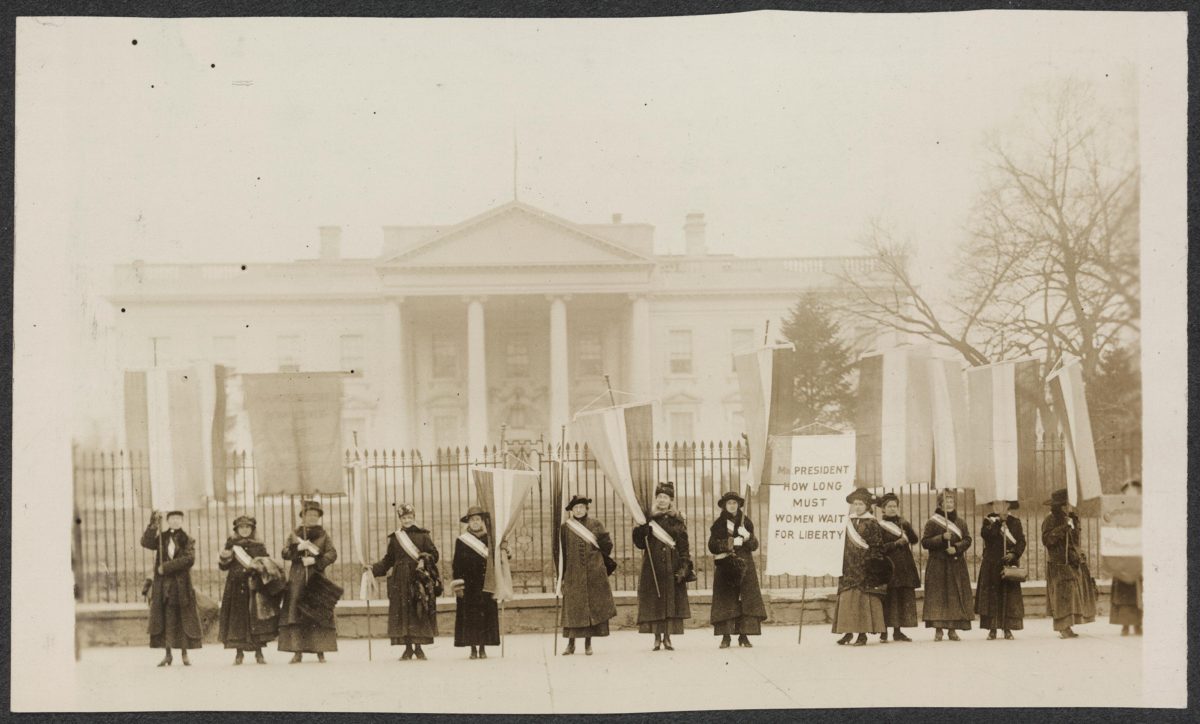
Suffragists in overcoats stand on a picket line, holding suffrage banners in front of the White House. One banner reads: “Mr. President How Long Must Women Wait For Liberty.”
From the Washington Reporter
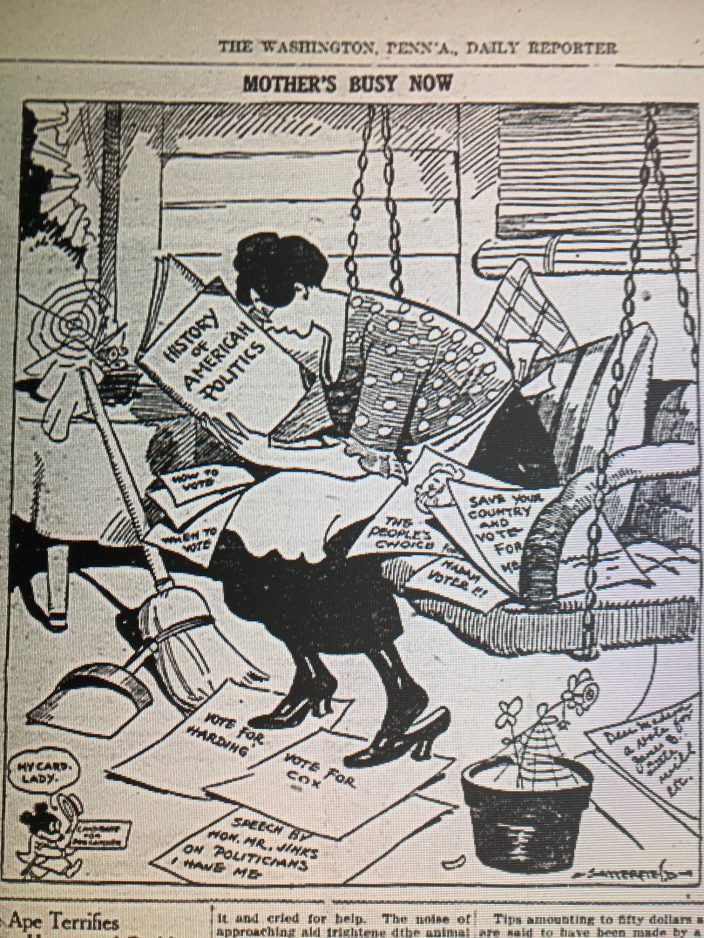
A cartoon published in the Washington Reporter a couple of days after the ratification of the 19th Amendment suggests that “women’s work” within the home might suffer due to mothers having the right to vote.
Courtesy of Senator John Heinz History Center
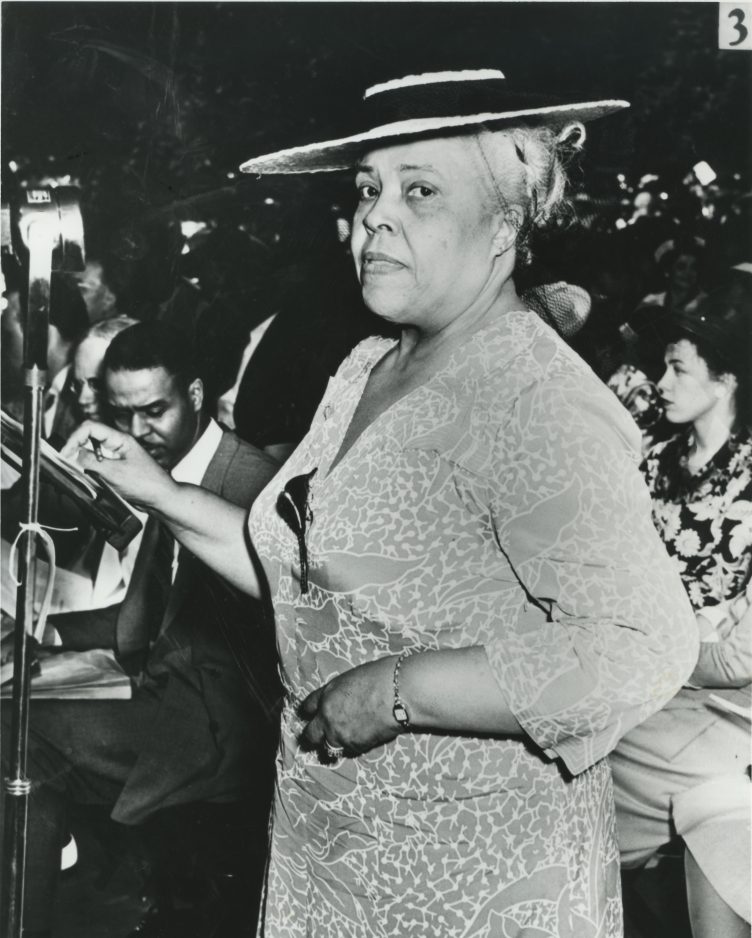
Daisy Lampkin was a civil rights activist in Pittsburgh who was actively involved in the suffrage movement.
Courtesy of the Senator John Heinz History Center
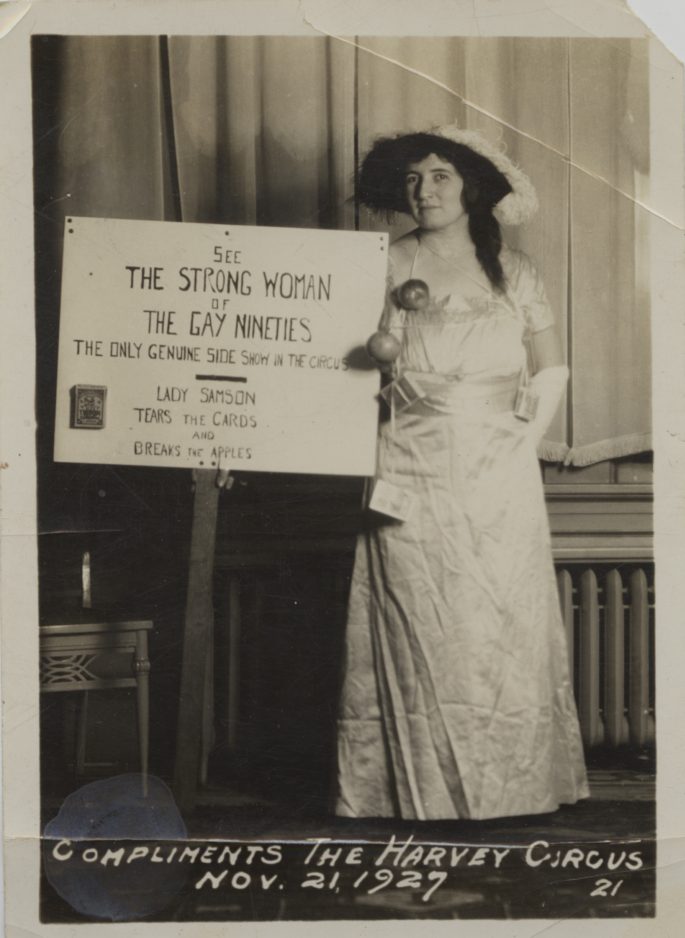
Gertrude Sunstein, a Pittsburgh suffragist, went on to found what is now the Falk Laboratory School at the University of Pittsburgh.
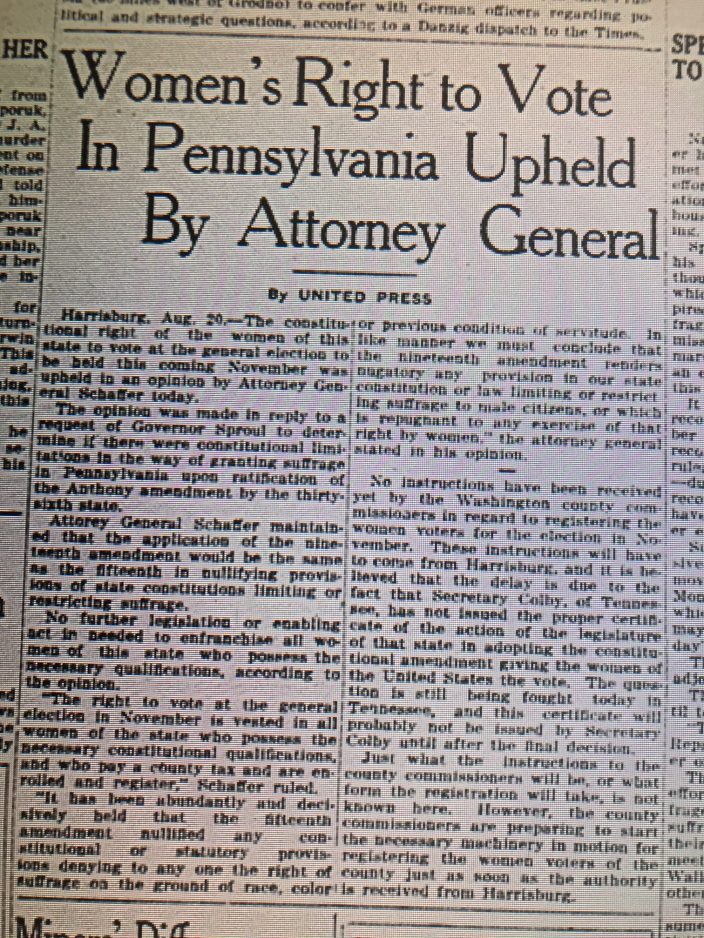
From the Washington Reporter
Excerpt of United Press story that appeared in the Aug. 20, 1920, edition of the Reporter
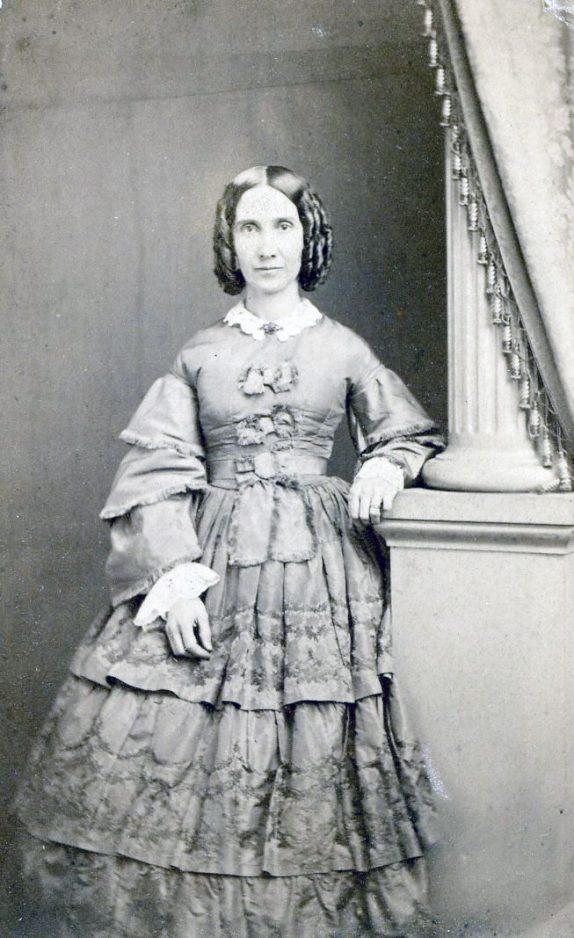
Courtesy of Washington County Historical Society
Charlotte LeMoyne Wills was a 19th century advocate for female suffrage and collaborated with Susan B. Anthony and Elizabeth Cady Stanton to form the National Woman Suffrage Association.
As Aug. 18, 1920, dawned, the world’s eyes were trained on Poland, as the Eastern European nation continued to brawl with Soviet Union in a war that would claim thousands upon thousands of lives. In the United States, baseball fans were stunned by the news that 29-year-old Cleveland Indians shortstop Ray Chapman was killed during a game with the New York Yankees when a pitch hit him in the head. In Washington County, readers of the Washington Reporter could follow news of the trial of Andre Nichiporuk, who was accused of murdering his wife, Molly, “in the lonely woods of Peters Township.”
Typically, debates unfolding in Tennessee’s Legislature would not have held much interest to the Reporter’s readers, but they, like everyone else in the United States, were riveted by the fierce arguments that were erupting in Nashville. That’s because lawmakers in the Volunteer State were debating whether to ratify the 19th Amendment to the Constitution, which would give American women over the age of 21 the right to vote.
After a motion to table the amendment was defeated in a 48-48 tie vote, Harry Burn, a 24-year-old lawmaker, decided to switch sides at the urging of his mother, and Tennessee’s House ended up approving the amendment in a nail-biting 49-47 vote. Tennessee became the 36th state to sign off on the amendment, and it put the 19th Amendment over the finish line.
Upon its approval, Carrie Chapman Catt, president of the National Women Suffrage Association, said, “For the country and for the world, this victory means this government which purports to be ‘by the people’ is indeed by the people and not half of them.”
The ratification of the 19th Amendment 100 years ago was the culmination of decades of activism by women and their allies around the country. When the United States ratified the Constitution, only a slice of its citizens were allowed any say in how it was governed. Laws that had allowed women to vote were overturned and the franchise was put mostly in the hands of property-owning white men. As the 1800s progressed, the property-holding requirement was withdrawn, but women and Blacks, both in the South and elsewhere, were excluded. The ratification of the 15th Amendment in 1870 extended the right to vote to freed slaves and prevented it from being denied on the basis of “race, color, or previous condition of servitude.”
As the 19th century progressed, though, calls for women’s suffrage grew louder. In 1872, author and suffragist Victoria Woodhull launched a presidential bid under the banner of the Equal Rights Party, with abolitionist and former slave Frederick Douglass as her running mate. The ticket garnered few votes. In 1890, Wyoming became the first state to allow women to vote, and it was followed by Colorado, Utah and Idaho. In the 1910s, states like Illinois, Nebraska, Ohio and Indiana allowed women to vote in presidential contests, but in no other races.
The right to vote was also denied to women in other countries across the world, from Britain and Canada to France, Germany, Japan and Brazil.
In the 1800s, women speaking out and demanding a right to vote was “profoundly transgressive behavior,” according to Leslie Przybylek, senior curator at the Senator John Heinz History Center in Pittsburgh. At first, some of the prime movers in the women’s suffrage movement were upper-class, educated women who had the wherewithal and time to speak out on social issues. Washington’s Charlotte LeMoyne Wills, the daughter of doctor and philanthropist Julius LeMoyne, was one of them. Raised in a progressive household, Wills was steeped in the women’s rights and abolition movements, and worked with fellow activists Susan B. Anthony and Elizabeth Cady Stanton to form the National Woman Suffrage Association in 1869.
In a speech three years before, Wills said she looked toward a time “when women are prepared to maintain a position of equality, it will be readily acknowledged that they are equals of man, in rights and intellects … universal suffrage will follow universal freedom, no longer restricted by color, or race, or sex, and we shall all be alike before the law as before our God.”
It was not until the ratification of the 19th Amendment, though, that women in Pennsylvania could vote. There had been a statewide vote in 1915 to add women’s suffrage to the commonwealth’s constitution, but it was defeated. While rural parts of Pennsylvania supported the proposal, Przybylek said, urban areas were opposed. The reason? There was some overlap between the movements to give women the right to vote and to ban alcohol. Liquor industry interests in Philadelphia and Pittsburgh derailed the amendment, believing that if women were given the vote, they would use it to shut down saloons and leave the state dry.
For a state like Pennsylvania, liquor interests were “not a small part of the voting bloc,” Przybylek said.
As it turns out, women were granted voting rights in Pennsylvania and other states in the midst of an election year that pitted Republican Warren Harding against Democrat James Cox. Officials were left to figure out whether women would be allowed to vote immediately, or if there would be a period where the right to vote would be phased in. According to a story in the Reporter, “Legal authorities differ as to the status of women citizens in Pennsylvania now that the suffrage amendment has been ratified. Some hold that women in the state can now vote, notwithstanding an apparent prohibition in the state constitution, while others contend that this will prevent women from exercising the right to vote in the November election.”
The Reporter also reported, “Washington County commissioners have let it be known that in the event of a favorable decision by the attorney general, they will be ready to put into operation at once the proper legal machinery to assure every woman who wishes to enroll and register for the purpose of casting a ballot in November the opportunity.”
Within a few days, that opinion came from William Schaffer, Pennsylvania’s attorney general – women could, in fact, vote in November. Washington County would start registering women to vote, the Reporter stated, “just as soon as the authority is received from Harrisburg.”
That November, women voters in Pennsylvania helped elect Harding in a landslide. The Ohio senator carried the state and most others outside the South in a 26-point popular vote victory. But even as women had the right to vote, resistance remained. A cartoon published in the Reporter a couple of days after the ratification of the 19th Amendment depicts a woman reading “A History of American Politics,” with papers on voting and campaigns strewn around her. Meanwhile, her broom and dustpan lie untouched, and cobwebs are gathering on a window sill and on a potted plant. The caption at the top of the cartoon is, “Mother’s Busy Now.”
And many more battles were to be waged for equality. At the same time the 19th Amendment was being approved, movie theaters in Washington were screening fare like “Jenny Be Good,” “Love, Honor and Obey,” and “The Inferior Sex,” which promised to reveal “how to be happy though married.” A lengthy news item in the Reporter on the return to Washington of a former resident identified as “Mrs. George Hamilton” never once mentions her first name.
Once the 19th Amendment was ratified, many activists believed they were in the position “to start the real fight,” Przybylek said. They believed they needed to expand beyond what they had accomplished, that it was “one more step and now we need to keep moving.”