

$33 million in impact fee money coming to SW Pennsylvania communities this year
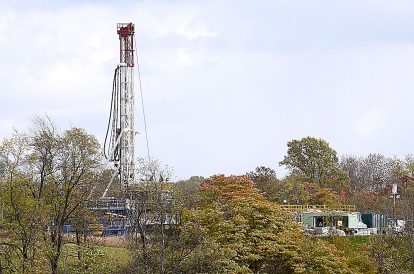
The Pennsylvania Public Utility Commission announced Monday that $146.3 million was generated in 2020 from impact fees, in line with projections that revenue from natural gas drilling would be down this year.
It’s the lowest amount since the impact fee became law almost a decade ago. Last year, Pennsylvania communities received $200 million from impact fees, and $251 million the year before. In January, the state’s Independent Fiscal Office forecast that $144.5 million would come to state and local coffers through the impact fee, a 28% decline from last year, and a 42% dip from the year before.
Altogether, $33 million will be flowing to counties in Southwestern Pennsylvania. Washington County, the site of the state’s first Marcellus Shale gas well in 2004, will be receiving $12.2 million in impact fees, and Greene County will be getting $8.8 million. Fayette County will get $1.8 million. The amount each county receives is based on the number of wells operating within it, with impact fees going to pay for infrastructure or environmental projects, emergency services or other programs.
The Independent Fiscal Office projected that natural gas revenue would be down this year due to lower commodity prices and the impact of the coronavirus pandemic.
In a news release, Marcellus Shale Coalition president David Callahan said, “Pennsylvania’s natural gas tax continues to deliver important benefits for the entire commonwealth. Generating more than $2 billion since 2012, the impact tax is a successful policy for Pennsylvanians, local governments, environmental conservation programs, emergency response efforts and much more.”
Callahan added, “While our industry was certainly impacted by the economic effects of the pandemic, this tax further demonstrates how all Pennsylvania communities and families share in the many benefits of responsible natural gas development.”
Gov. Tom Wolf and his Democratic allies have long sought to augment impact fees with an extraction tax, which other states have imposed on natural gas drilling. However, Wolf has met with opposition from the Republican-controlled General Assembly and the natural gas industry. They have both argued that an extraction tax would chase oil and gas companies away from Pennsylvania, and the impact fee directly benefits communities where drilling is taking place.
Impact fee money also goes to the Department of Environmental Protection to help pay for oversight of the industry, and to county conservation districts and the Marcellus Legacy Fund, which invests in environmental enhancement projects like parks, trails and farmland preservation.