

Wolf, local lawmakers happy with 2021-22 state budget

In contrast to the rancor and delays that characterized some past state budgets, Gov. Tom Wolf is expected to sign a $40.8 billion budget for 2021-22 into law this week, with both the Democratic governor and Republicans that hold the majority in the General Assembly saying they are satisfied with the plan.
In statements released Friday, Wolf said he was pleased with increases in education funding contained within the budget, while GOP lawmakers from this area were happy with additional dollars that will be going in to the state’s Rainy Day Fund, as well as money being made available for infrastructure and police training. They also gave a thumbs-up to the fact that it contained no tax increases.
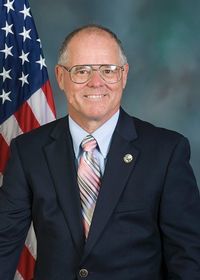
State Rep. Bud Cook, R-West Pike Run, said, “This budget cycle was one like no other as we had to consider the harm done financially from the pandemic. Working through the impacts of COVID-19 has not been easy, but I am confident this budget we have agreed to is a step towards a successful recovery.”
Wolf had proposed an increase of $1.3 billion for education funding, but the final budget increases spending by $416 million. Nevertheless, Wolf described it as “historic.” It contains increases in the amounts spent on special education, early education, community colleges, preschool and other areas.
“Pennsylvania provides almost $2 billion more a year for education than when I took office,” Wolf said. “Students now have access to better technology, resources and opportunities, and we are providing more help to distressed school districts.”
A $1 billion slice of the budget will come from federal coronavirus relief that has been sent to states. In addition, $5 billion in federal American Rescue Plan funds will be set aside for future needs and another $2.5 billion will be allocated for the commonwealth’s Rainy Day Fund.
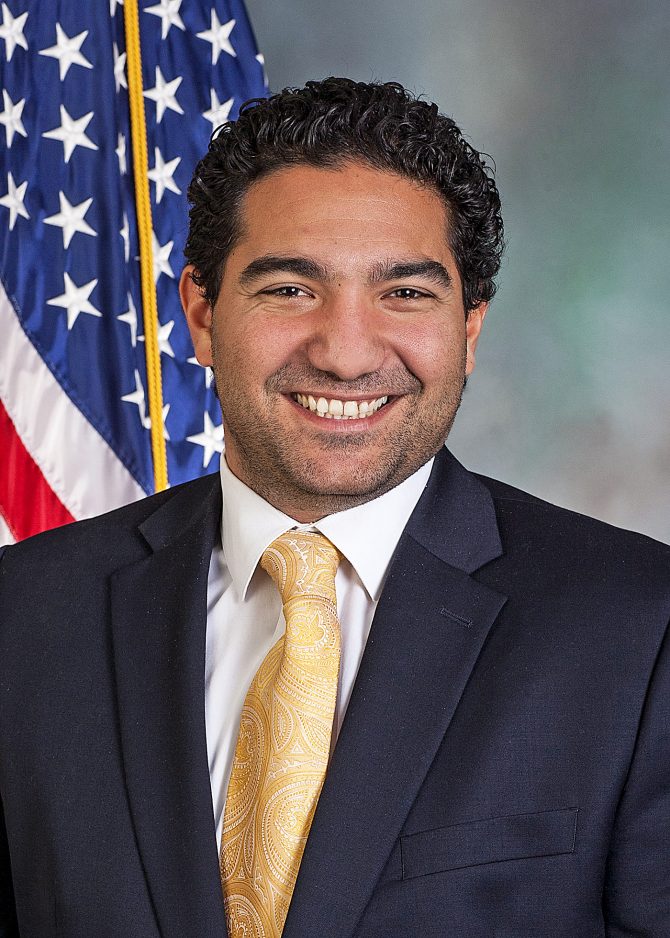
“We’ve learned the hard way what happens when every dollar is spent,” said state Rep. Josh Kail, R-Beaver, whose district includes parts of western Washington County. “This bill allows us to devote funding to places with immediate needs while also protecting our future.”
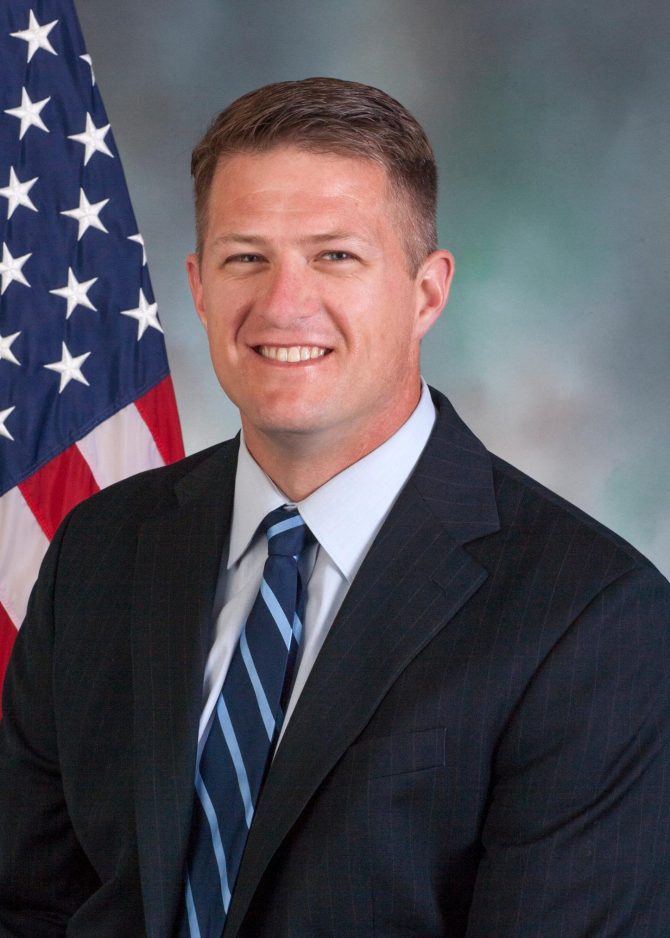
Tim O’Neal, the South Strabane Republican who represents the 48th Legislative District, also said he was happy with money being set aside in the Rainy Day Fund in this budget cycle. He explained, “If 2020 taught us anything, it is that we need to be prepared for the unexpected. If you asked anyone two years ago if we would experience a pandemic that would shut down the world, very few people would have predicted it.”
Those sentiments were echoed by state Rep. Ryan Warner, R-Perryopolis, who said, “It would be easy to spend all this money at once, but it would be the wrong thing to do. Obviously, the federal funds are a one-time thing, and the greater-than-expected state revenue is likely a bubble related to those federal stimulus funds.”
While voting for the full budget, state Rep. Matthew Dowling, R-Uniontown, opposed the bill directing funding to the University of Pittsburgh because it does research on fetal tissue.
“Sending even one penny of taxpayer money to a school that participates in such research is disrespectful to these aborted babies who never had a chance to live, to grow and to enjoy the life given to them by our Creator.”
State Rep. Natalie Mihalek, R-Upper St. Clair, said the budget was “responsible” and addressed “our most pressing issues now while saving for our future.”
The Pennsylvania Department of Transportation has proposed placing tolls on several interstate bridges across the state, including the bridge on I-79 at the Bridgeville exit. State Rep. Jason Ortitay, R-Cecil, said he hopes that $279 million in the budget for road and bridge projects “will take the governor’s proposed bridge tolling plan off the table.”
State Sen. Camera Bartolotta, R-Carroll, said the budget “makes a strong commitment to our teachers and students,” and ensures “schools can operate safely and addresses student needs resulting from the pandemic.”
Overall spending in the budget increased by 7.8% over last year. It was approved in the state’s House of Representatives by a vote of 140-61 and in the state Senate by a 43-7 vote.