

Criminal justice students learn effective ways to communicate with the deaf
Those in law enforcement encounter different people every day, and it’s important for them to know how to communicate with those they come across.
But what if they interact with someone who cannot hear them?
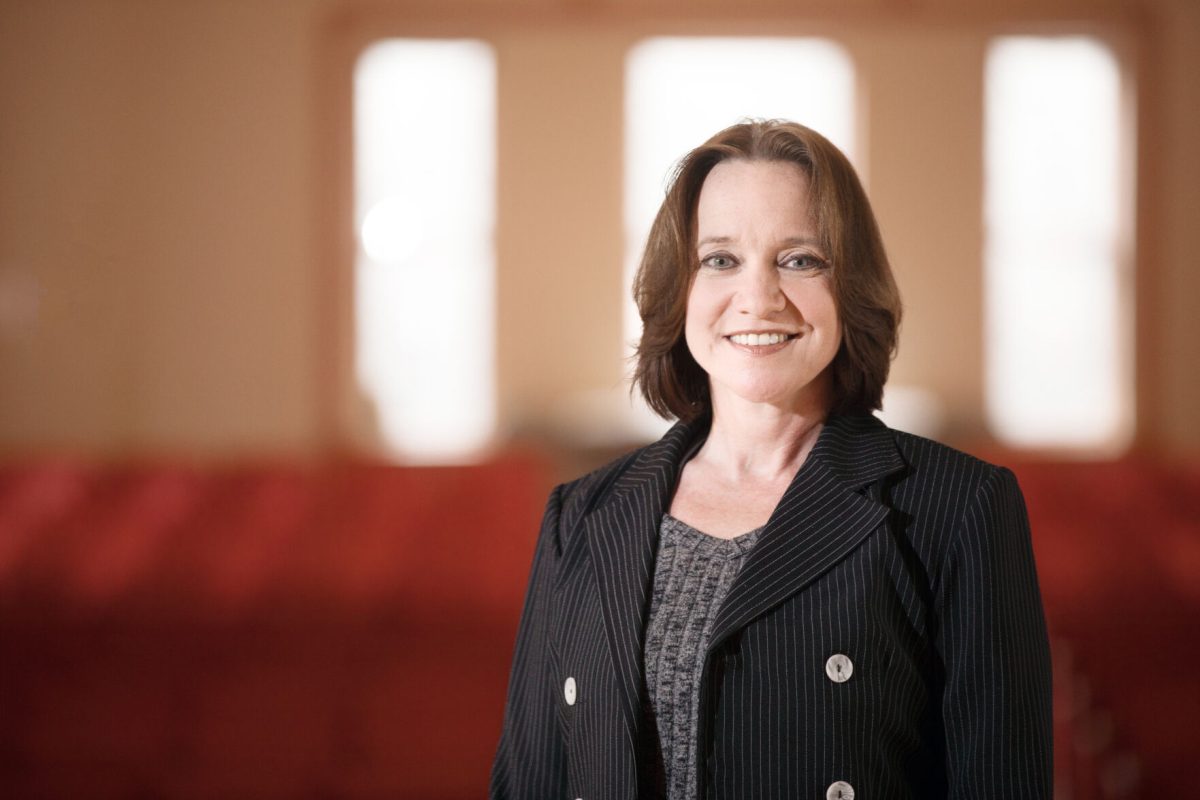
Dr. Kristen Majocha, dean of the College of Education and Liberal Arts at California University of Pennsylvania, presented a number of scenarios to students in the school’s criminal justice doctoral program on Wednesday. She also offered students simple ways to effectively communicate with those who are deaf or have difficulty hearing.
In one scenario, a police officer pulls a deaf person over for speeding. Majocha explained that in a simple situation, the officer could print out the ticket and point to the details on the page. However, if that situation were complicated by other factors, such as needing to perform a sobriety test, the officer needs a better communication method.
“It’s a daunting task to communicate with somebody when there is a barrier,” she said. “But even just a little bit of effort can make a big difference.”
Majocha taught the group skills she learned from her husband, who is deaf and communicates primarily via sign language. She suggested speaking slowly and expressively for lip reading, using visual aids when possible and carrying a pen and notepad to communicate through writing.
Throughout the presentation, Majocha taught the group some basic sign language that would be useful, such as how to sign “stop,” “help,” “gun” and “drugs.” She also taught the group how to sign the alphabet, so that in the event they cannot remember certain signs or cannot communicate using other skills, they can always spell out words.
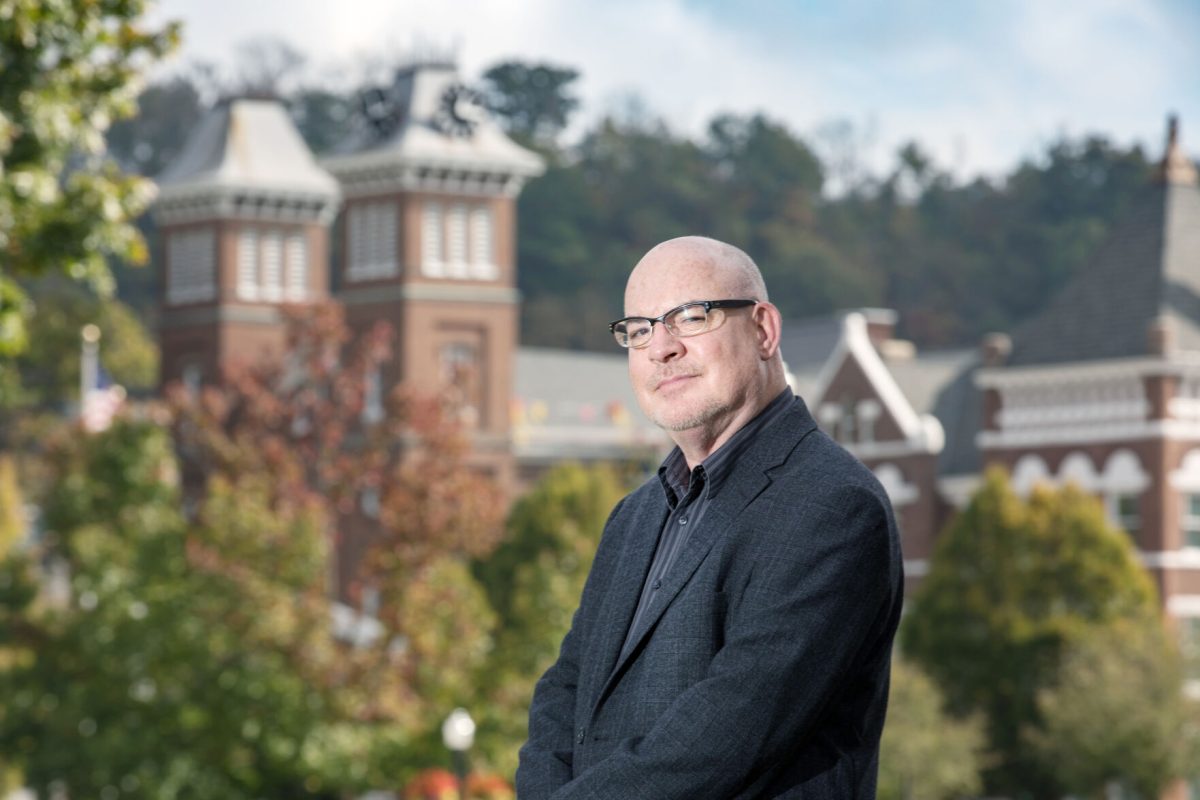
Dr. John Cencich, program director, said he believes effective communication with people who communicate differently is not taught often enough in the criminal justice field. He stressed the importance of that education to prevent potentially serious consequences that can result from misunderstandings with civilians.
“The training Dr. Majocha put on is directly relevant to community policing and to problem-solving,” Cencich said. “These vulnerable populations need us the most.”