

Consumers, region’s food banks dealing with pressures of inflation
Katherine Mansfield/Observer-Reporter
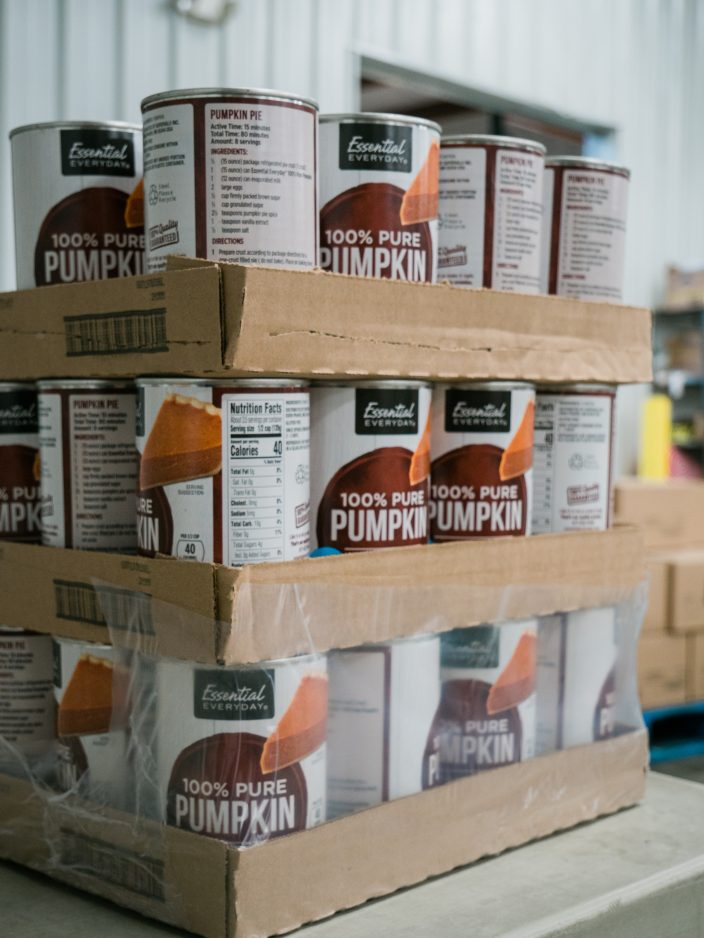
Among those items being distrubted for the holidays is pumpkin pie filling. The Greater Washington County Food Bank, a division of Food Helpers, stocked up on the Thanksgiving staple and will hand out cans along with pie crusts at the holiday distribution event this weekend.
Katherine Mansfield/Observer-Reporter
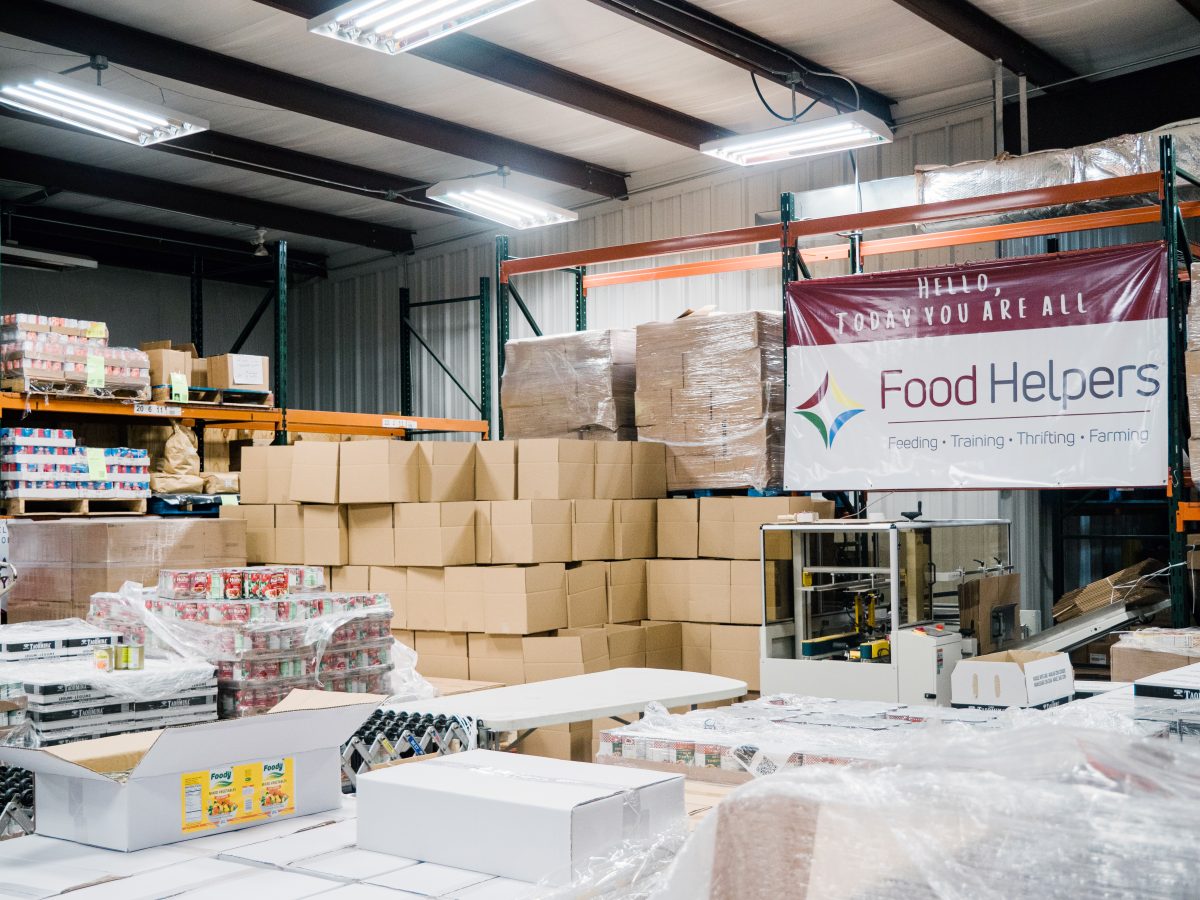
The Food Helpers volunteer area is ready for helpers to box holiday items, like pumpkin pie filling and other shelf-stable goods, later this week. The Greater Washington County Food Bank, a division of the Food Helpers, will provide more than 4,000 food-insecure Washington County residents with holiday meals this year.
Katherine Mansfield/Observer-Reporter
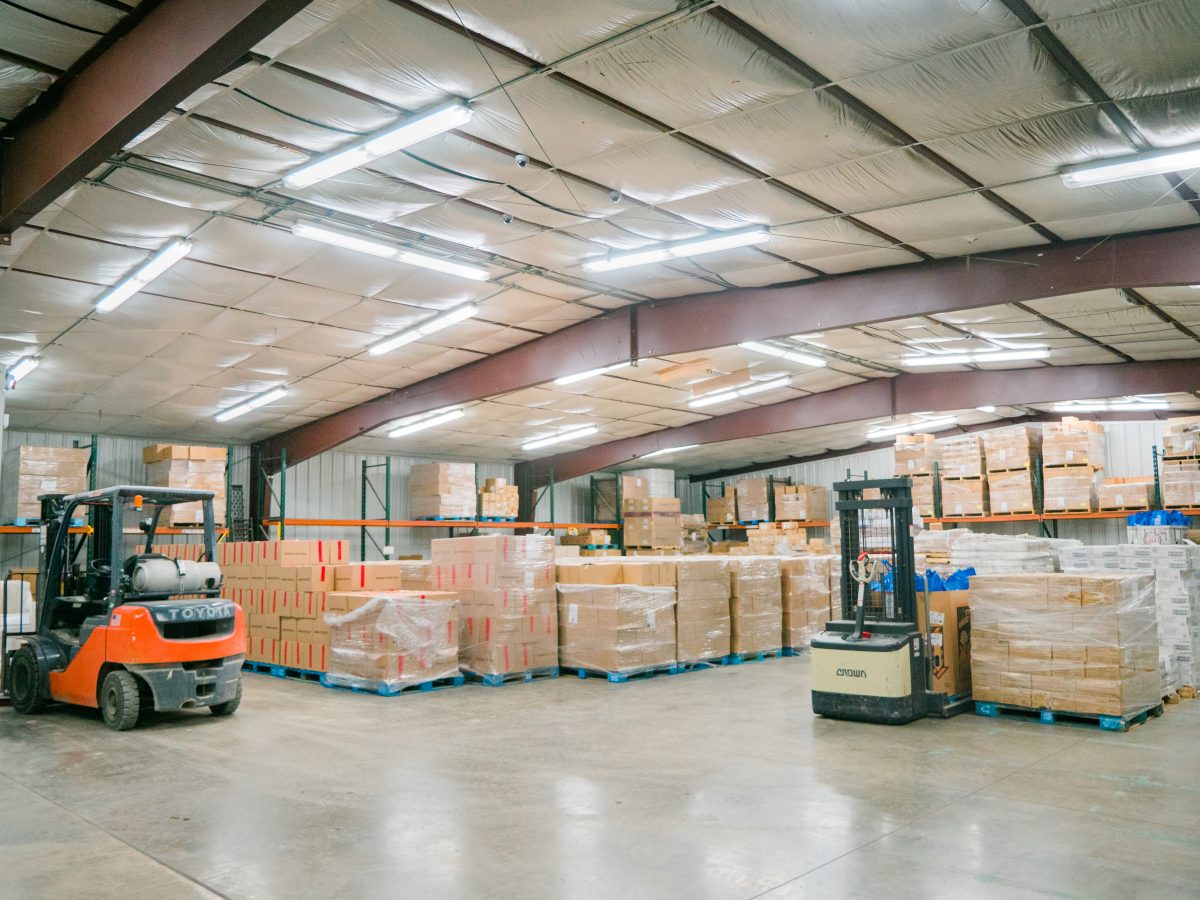
The warehouse at Food Helpers headquarters along National Pike West in Brownsville is packed with boxes that are ready for distribution to thousands of food-insecure families throughout Washington County. Food Helpers will distribute more then 1,000 Thanksgiving meals alone at a distribution event next week.
Rising costs have taken their toll on area consumers at the gas pump and in the grocery aisle.
Southwestern Pennsylvania’s food banks aren’t immune to the increases in fuel and food prices either.
“The amount of food that we would normally be able to order has significantly decreased due to the rising costs,” said David Bork, director of Fayette County Community Action Agency Food Bank. “A good example: The specialty meat items for the holidays, this year … it was incredibly difficult to get them.”
Bork said the food bank this year relied on gift cards and the Pennsylvania Department of Agriculture to provide those in need with holiday turkeys and hams.
“Those have helped, kind of filled the gap,” Bork said, noting that aside from hard-to-find food, he’s been able to keep most staples in stock.
“I do a lot of research with different vendors, so if I can’t get something in one place, I will try multiple sources until I can find it,” he added.
Both the Greater Pittsburgh Community Food Bank and Greater Washington County Food Bank – which recently rebranded as a division of Food Helpers – follow similar strategies. Fortunately, neither nonprofit is having trouble feeding the community.
“We’re not coming up short on too much stuff,” said Josh Murphy, director of sourcing at Greater Pittsburgh Community Food Bank. “It’s not easy, and we continue to have our moments of panic when we realize something’s not going to land on time, but we’ve been generally lucky. We’re not running out of food. We are paying more for it, but we planned in advance.”
The Bureau of Labor Statistics said prices rose 0.9% across the board in October, following a 0.4% increase in September. Uncooked beef roast and steak prices are up 24.2% from this time last year.
Murphy said meat prices for the food bank increased 45% from 2019 through this year, but meat isn’t the only cost rising. The Greater Pittsburgh Community Food Bank, which operates all 13 food pantries in Washington County, has spent $8 million on product alone this year.
“It’s not insignificant at all,” Murphy said, “but we’re doing what we need to to meet the needs of the community.”
George Omiros recently stepped into the role of CEO at Greater Washington County Food Bank. He said generous donations from the community have made it possible to provide for those in need.
“We’ve actually increased our routes, even with the increased fuel charges and higher costs for food,” Omiros said. “It’s thanks to the generosity of donors.”
Despite the lack of cranberry dishes – both Omiros and Murphy noted cranberry is in short supply – the Washington County organization has so far assisted 3,000 families with holiday meals.
Omiros said rising prices aren’t the only reason things like cranberry are hard to find. Like other industries, food banks feel the impact of ships stuck in port and other economic issues.
“There’s a shortage of truck drivers, and that’s made truck drivers more expensive per mile. That’s just supply and demand,” said Murphy. “We’re spending more money to keep trucks on the road, but we’re keeping trucks on the road. It hasn’t impacted the way we distribute food yet.”
The Fayette County food bank purchased its trucks through grants and, like the Washington County and Greater Pittsburgh agencies, hasn’t needed to shift delivery operations, condense routes or cut delivery days yet.
“The fuel cost has definitely had an impact,” Bork said. “The prices of everything are going up. The dollar doesn’t stretch nearly as far as it used to.”
And that is why area food banks are extending help to more folks than usual. Murphy said there’s been an uptick in those seeking assistance from his organization, but need increases this time of year.
“Daily, we’re receiving calls from individuals and families in need,” said Omiros.
Bork said after the pandemic, the numbers of those seeking help from the Fayette County’s food bank decreased.
“Now, as things like the benefits … are starting to go down, we are starting to see people come back to the food pantry system again,” Bork said.
Omiros said the demographics of those using the food bank haven’t changed dramatically with increasing costs, but the organization is filling the gaps between those who rely on other social programs and those who don’t qualify.
“We have a lot of people that fall through the cracks on the traditional food programs that are out there,” he said. “We’re doing our senior box program – we’ve tripled the demand on that. We have people that just don’t fall into the guidelines for other food distributions.”
Local food banks have dodged some of the blows nonprofits nationwide are taking. Bork, Murphy and Omiros said volunteers, generous donors and the community at large have helped keep the agencies operating as close to normal as possible.
“We have an amazing community here in the greater Pittsburgh area,” said Murphy, echoing the sentiments of Bork and Omiros. “We can’t solve hunger without this whole community. We’re not going to stop asking for our community to support our work until it’s not a problem anymore. We’re going to be here working on this and helping people until a kid never has to go to bed hungry again.”