

Chillin’: C-M launches Chill Room to help students cope
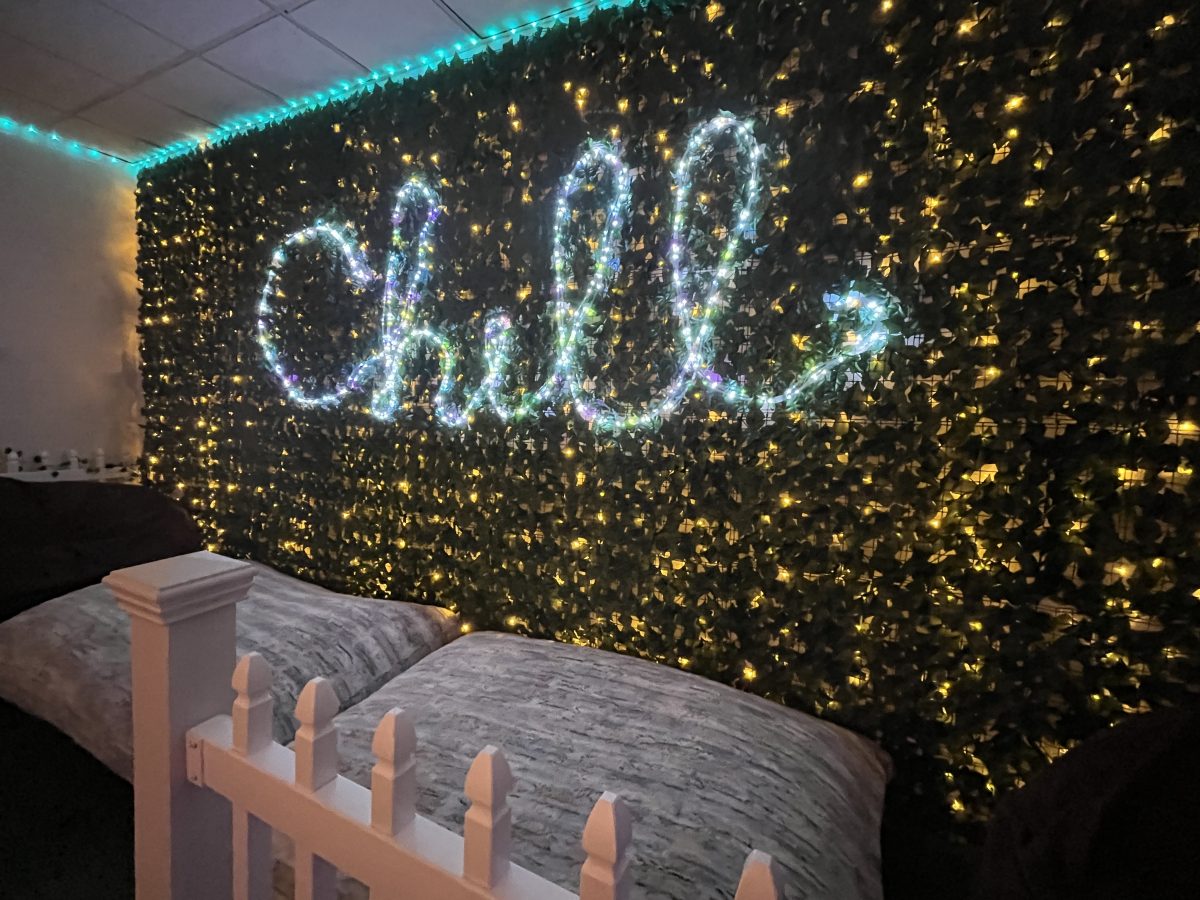
Karen Mansfield/Observer-Reporter
The Canon-McMillan High School Chill Room is a space where both students and teachers can go to relieve anxiety and stress and learn mindfulness-based coping strategies.
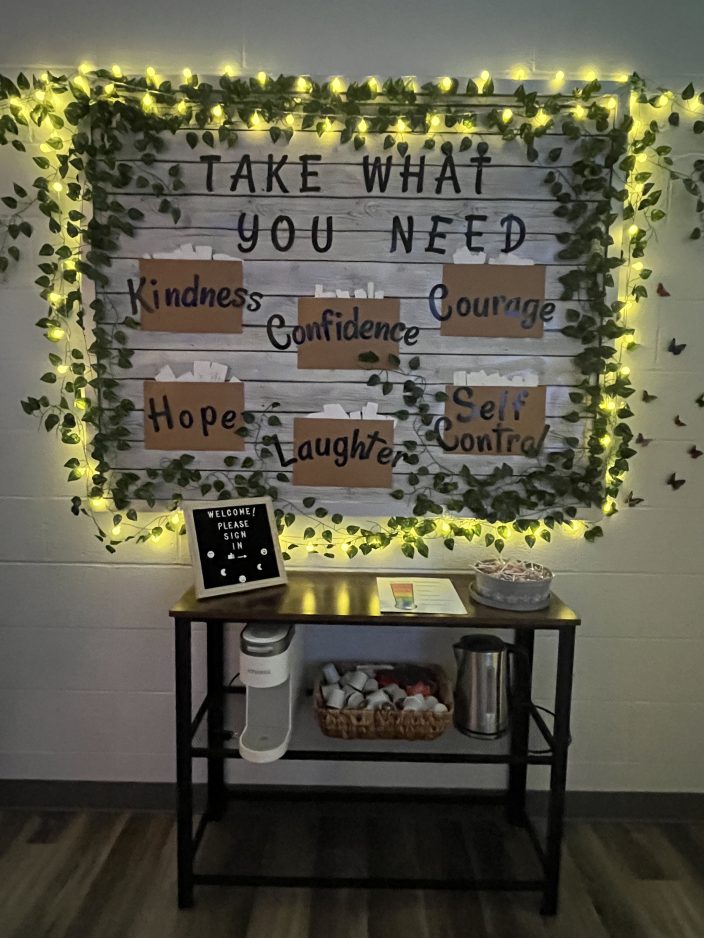
The Chill Room at Canon-McMillan High School offers several ways for students to improve mental health wellness. One of the features is a bulletin board containing encouraging messages students can take with them.
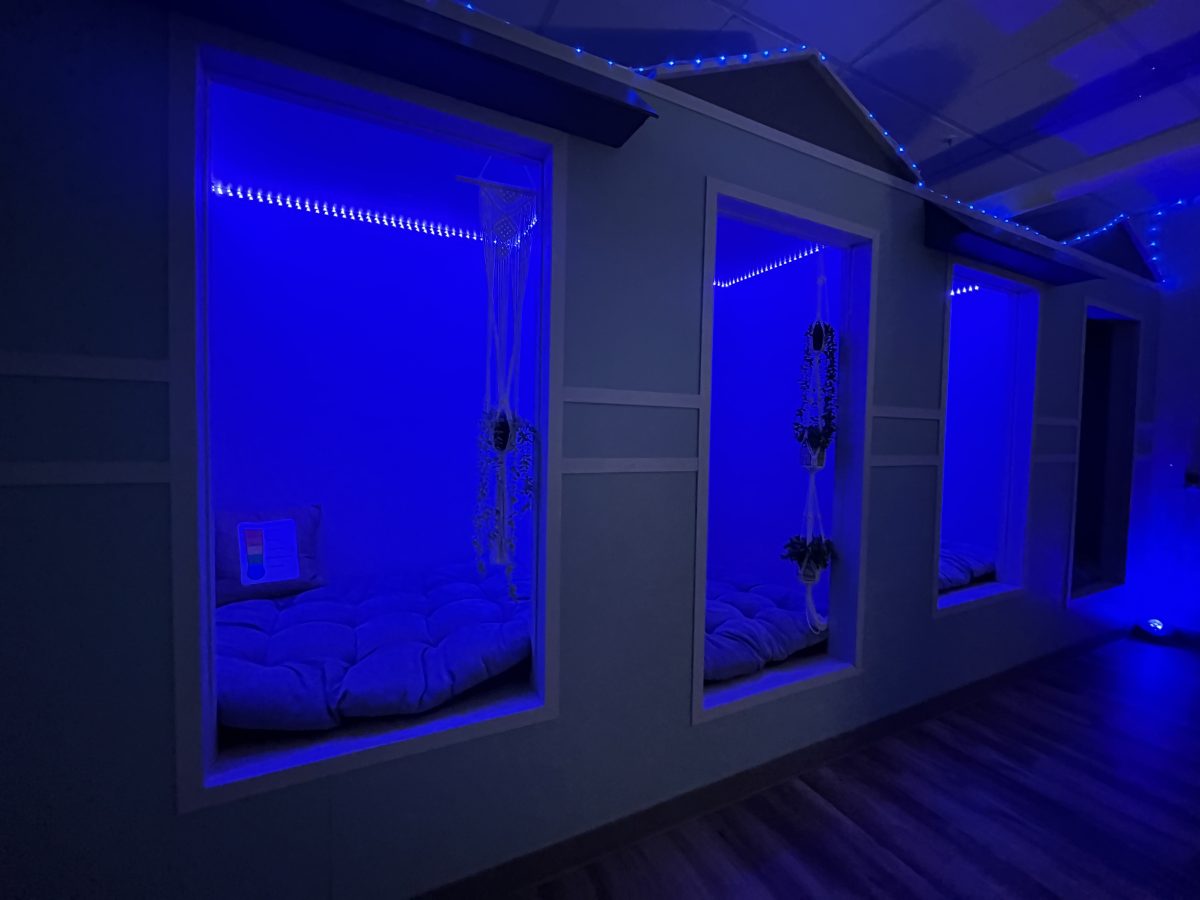
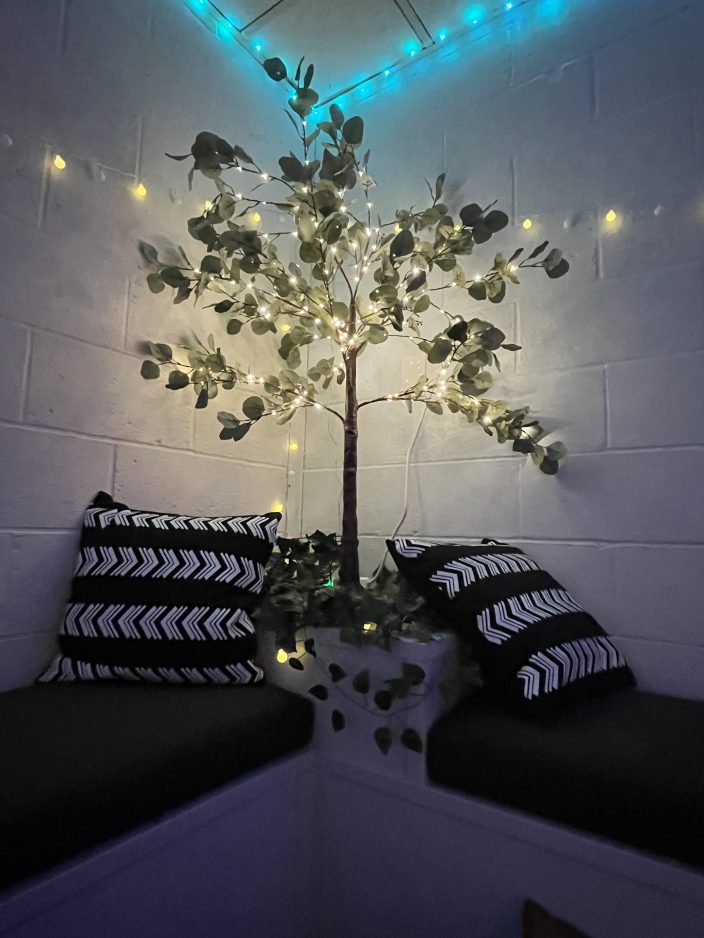
The focal point of the Chill Room are four "house pods" that feature soft cushions, lighting, and house plants. Canon-McMilan High School partnered with Allegheny Health Network on the Chill Project.
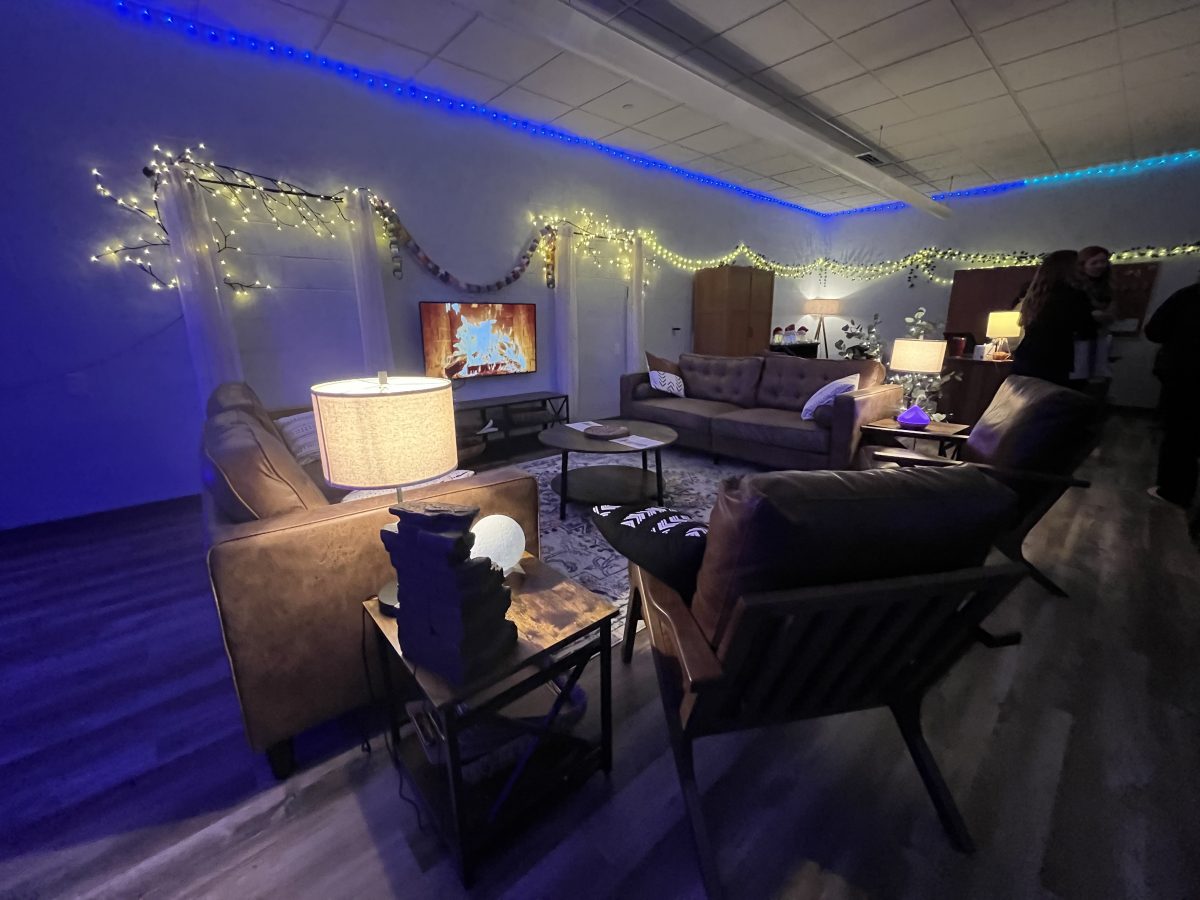
Karen Mansfield/Observer-Reporter
A living room-style area of the Chill Room at Canon-McMillan High School includes several relaxing features such as soft lighting, an electric fireplace, diffusers and kinetic sand. Students can access the Chill Room throughout the day and two AHN mental health professionals are available in the room five days a week.
Karen Mansfield/Observer-Reporter
A nook in the Chill Room at Canon-McMillan High School provides a relaxing spot for students to take a break from their worries. The Chill Room opened in September as part of a collaboration with the Allegheny Health Network Chill Project.
With cases of anxiety and depression among youth soaring since the start of the COVID-19 pandemic, schools are finding new ways to address mental health issues.
Canon-McMillan Senior High School recently collaborated with Allegheny Health Network to launch the Chill Project, which uses mindfulness-based strategies to help students and teachers learn and practice how to better manage their stress.
As part of the Chill Project, the high school has converted a computer lab into a Chill Room, a quiet, calming place for students and faculty to take a break from their worries.
The Chill Room is staffed five days a week by two AHN mental health professionals.
The quiet room features soft lights, bean bags, an electric fireplace and waterfall, fidget and sensory items including mandala coloring books and kinetic sand, high-top tables, and an aromatherapy diffuser. The focal point of the Chill Room is four “house pods” equipped with soft cushions, hanging plants, and color-changing lights.
Everything in the room is designed to help students feel calm and comfortable talking about their metal health issues.
The Chill Project was created in 2019 by Dr. Will Davies, in response to the high death rates of students he observed while working in local school districts.
To date, 31 school districts – the majority in Allegheny County – have partnered with AHN for the Chill Project. Canon-McMillan is the first Washington County school district to operate the program.
On Wednesday, administrators and mental health professionals from school districts in Washington and Greene counties toured the Chill Room after Davies and Canon-McMillan administrators presented an overview of the program during an event that was coordinated through ReMake Learning.
Davies said students were facing a mental health crisis before the pandemic, and COVID-19 worsened it (among the student mental health-related statistics that alarmed him is a 50% increase in suspected suicide attempts that have led to emergency room visits for girls ages 12 to 17).
“I thought, why can’t we take skills we know are effective in higher levels of care in reducing symptoms of anxiety and depression and rates of suicide, and bring those skills to kids on the front end to help prevent them from getting to that other level?” said Davies. “These are skills they can take with them for the rest of their lives.”
Ken Crowley, Canon-McMillan Assistant to the Superintendent, said the district has been working on implementing the Chill Project since before the pandemic, and views the program as proactive, instead of reactive.
“The pandemic and some of the funding that came out of that really allowed us to have these conversations and have this culture shift to be able to embrace this within our district,” he said. “The red flags we saw before (the pandemic) really increased when we came back to hybrid and then full in-person learning. When we came back to in-person learning, we were calling crisis every single day, multiple times a day.”
Students can leave their classroom to drop by the Chill Room, which accommodates a maximum of eight students at a time, anytime throughout the day for about 15 minutes. Most students visit during lunch and study hall.
Said Paige Cholewinski, Chill Room facilitator, “Some kids love the bean bags, some love the pods. My opening line to kids is, ‘What’s going on?’ They tell me what’s going on with them. We talk about coping skills, sometimes students just want to sit and take a minute and use their coping skills on their own, other students want to talk the whole time they’re in the room. Some students are ready to go back to class before the 15 minutes is up.”
School-based therapy is also provided by the Chill Project for students who are in need of more intensive professional services, as part of a three-tier approach.
Additionally, Chill curriculum is taught in health classes. A newsletter also is provided monthly both in-school and to the community.
From September through November, the Chill Room saw 204 students use the room a total of 439 times. Student visits jumped from 76 visits in September to 196 in November.
An overwhelming majority of student visits are anxiety-related, as they struggle to deal with grades, relationships, family issues, and other issues.
The room is not limited to students only. Teachers also have access to the Chill Room to take a break and learn new therapeutic skills.
“Ultimately, at the end of the day, we want students and adults in the building to see their mental health concerns the same way they see their physical health concerns. It impacts everything they do,” said Davies, who also aims to eliminate the stigma around mental health issues.
Canon-McMillan hopes to expand the Chill program to the elementary and middle school levels.