

Davis held in contempt top story of 2022
Mike Jones/ Observer-Reporter
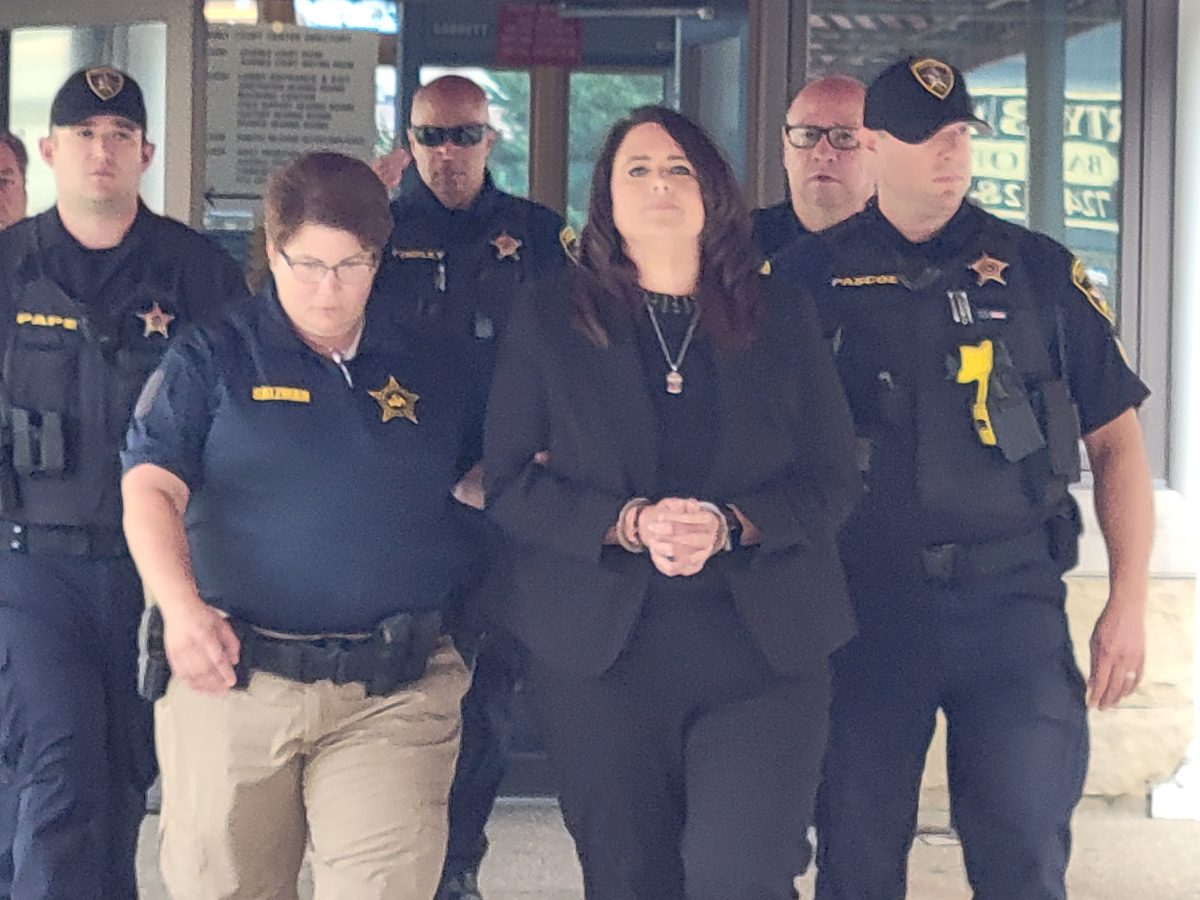
Clerk of Courts Brenda Davis is led from the Washington County Courthouse in handcuffs after President Judge John DiSalle found her to be in contempt of court and sentenced her to serve 15 days to six months in jail. The case revolved around her refusal to follow DiSalle’s court order transferring juvenile case files from her office.

Former state Rep. Pam Snyder
Courtesy of Washington County Authority
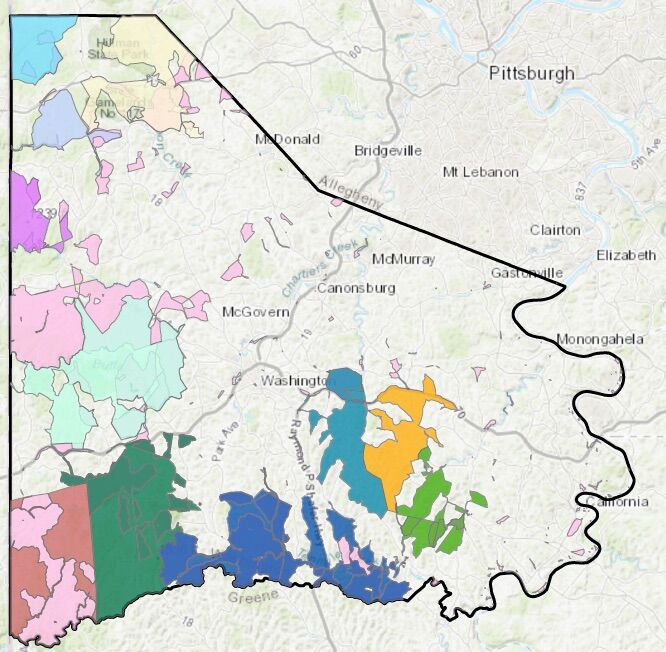
This map shows the areas in Washington County that are targeted for broadband internet expansion.
Mike Jones/Observer-Reporter
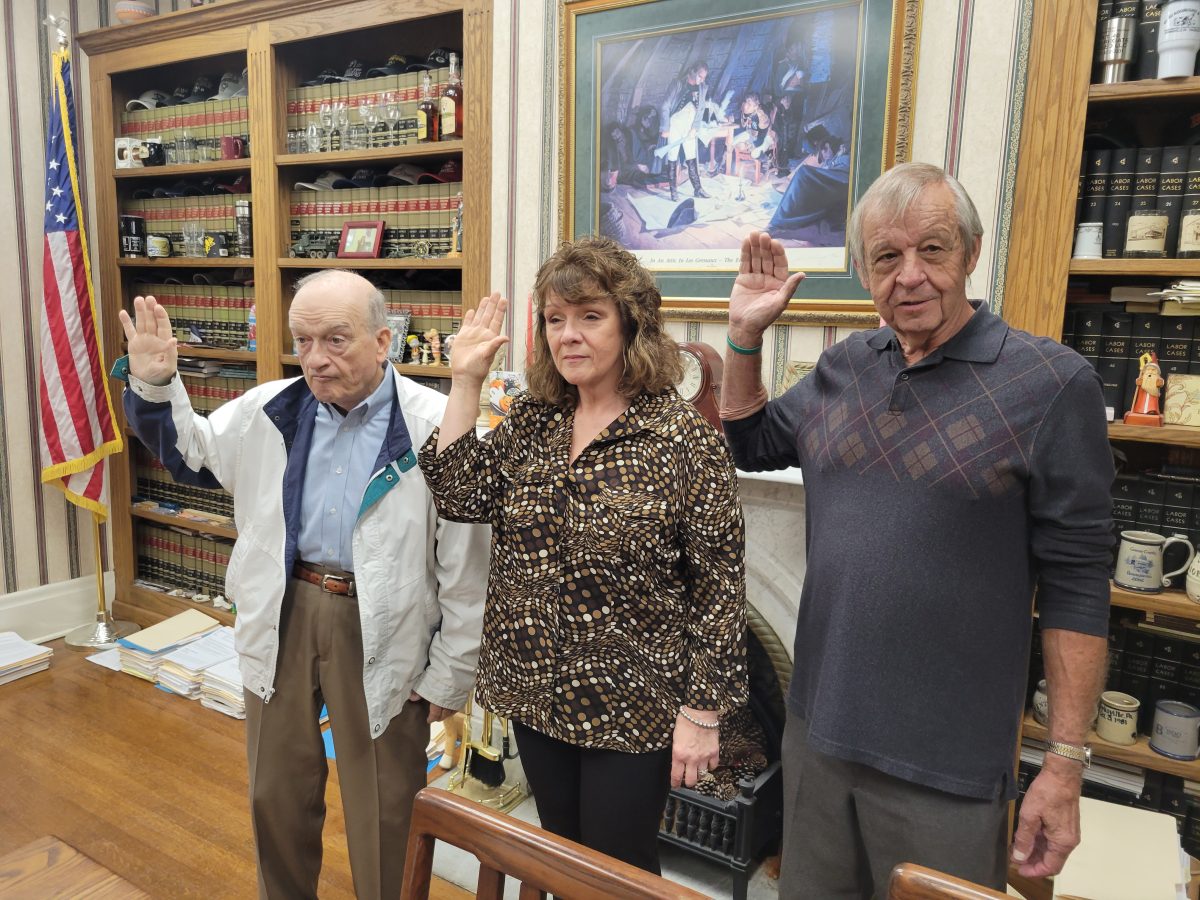
From left, Larry Spahr, Linda Evans Boren and Stephen Parish are sworn-in at attorney Dennis Makel’s office in Washington after being appointed to the Union Township Board of Supervisors. Charles Wilson, who is not pictured, also was appointed to the board and took his oath later in the day.
Katherine Mansfield/Observer-Reporter
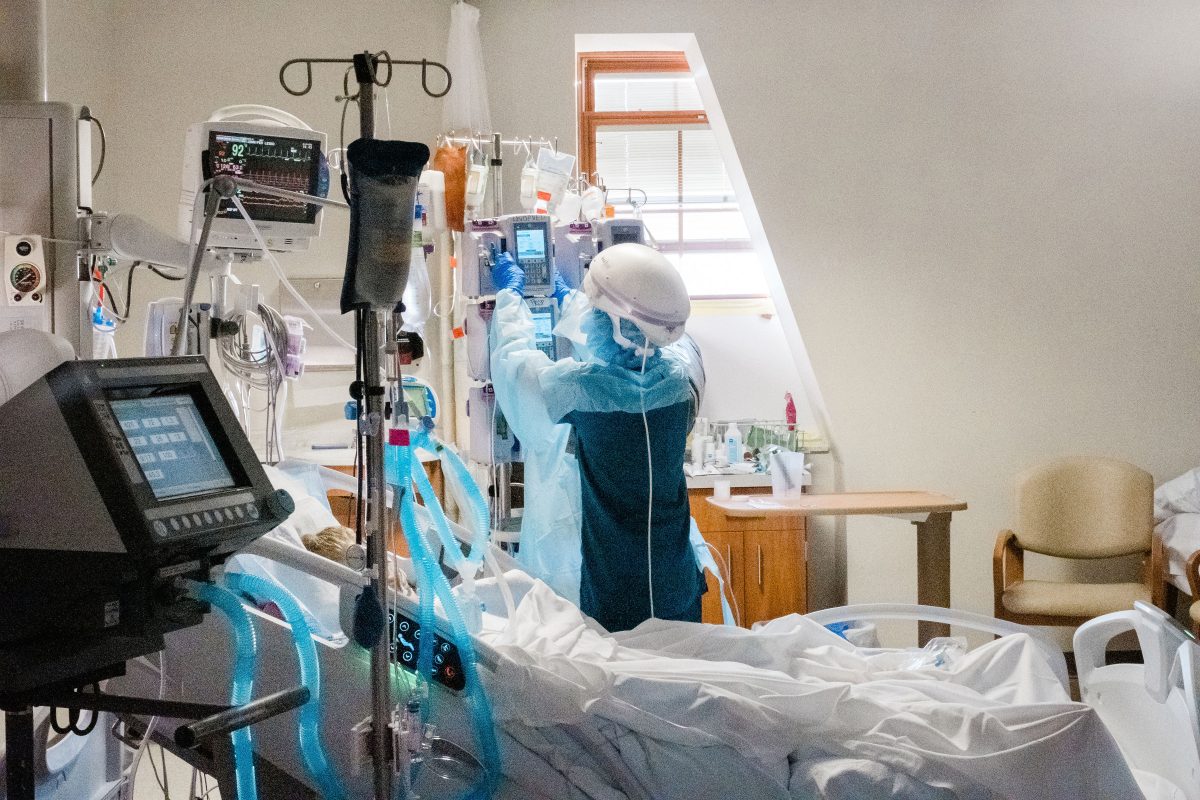
A nurse in Washington Hospital’s CCU administers medication to a COVID-19 patient. Like other COVID patients in critical care, this patient was breathing with the assistance of a ventilator.
Mike Jones/Observer-Reporter
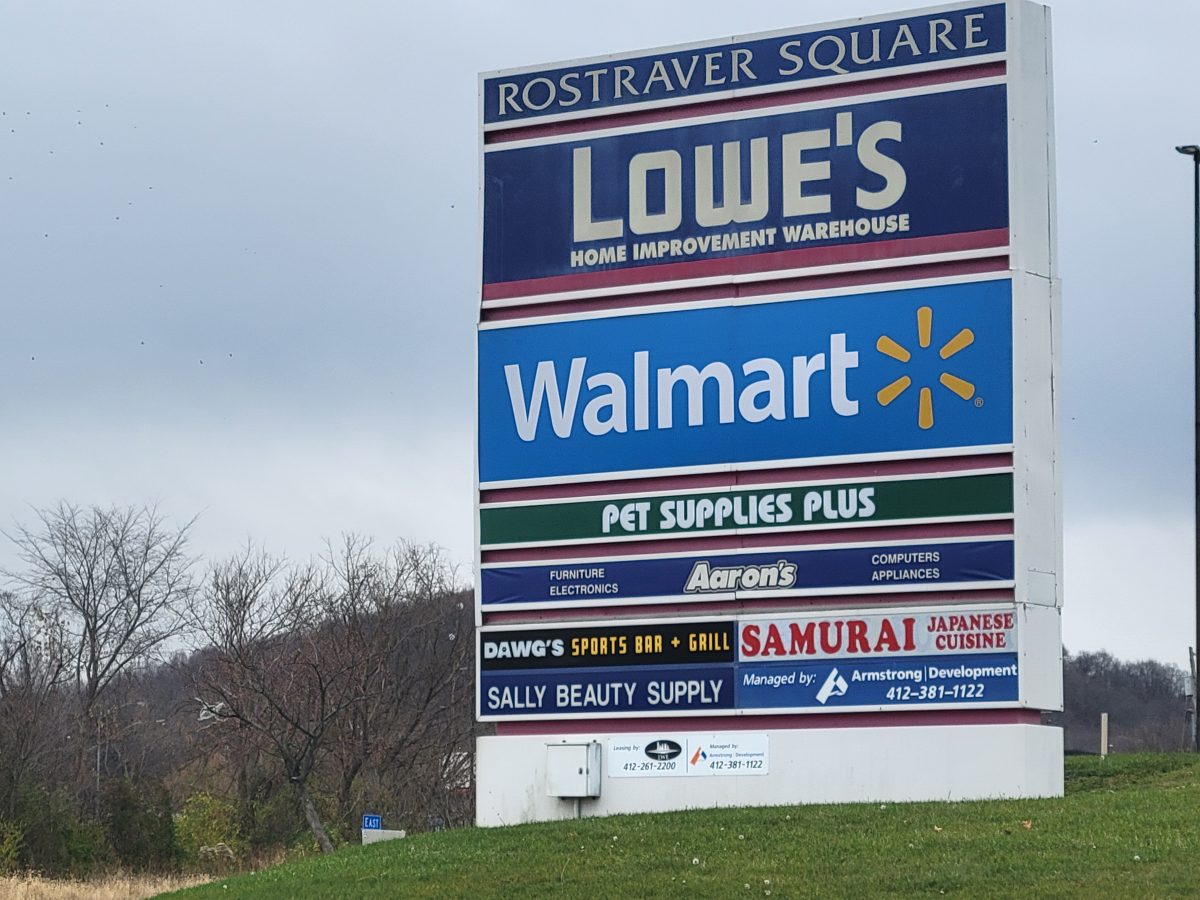
Boyke Budiarachman was shot and killed Nov. 5 in the parking lot of Rostraver Square in Westmoreland County. Authorities have released few details about the case since his death.
Jon Andreassi/Observer-Reporter
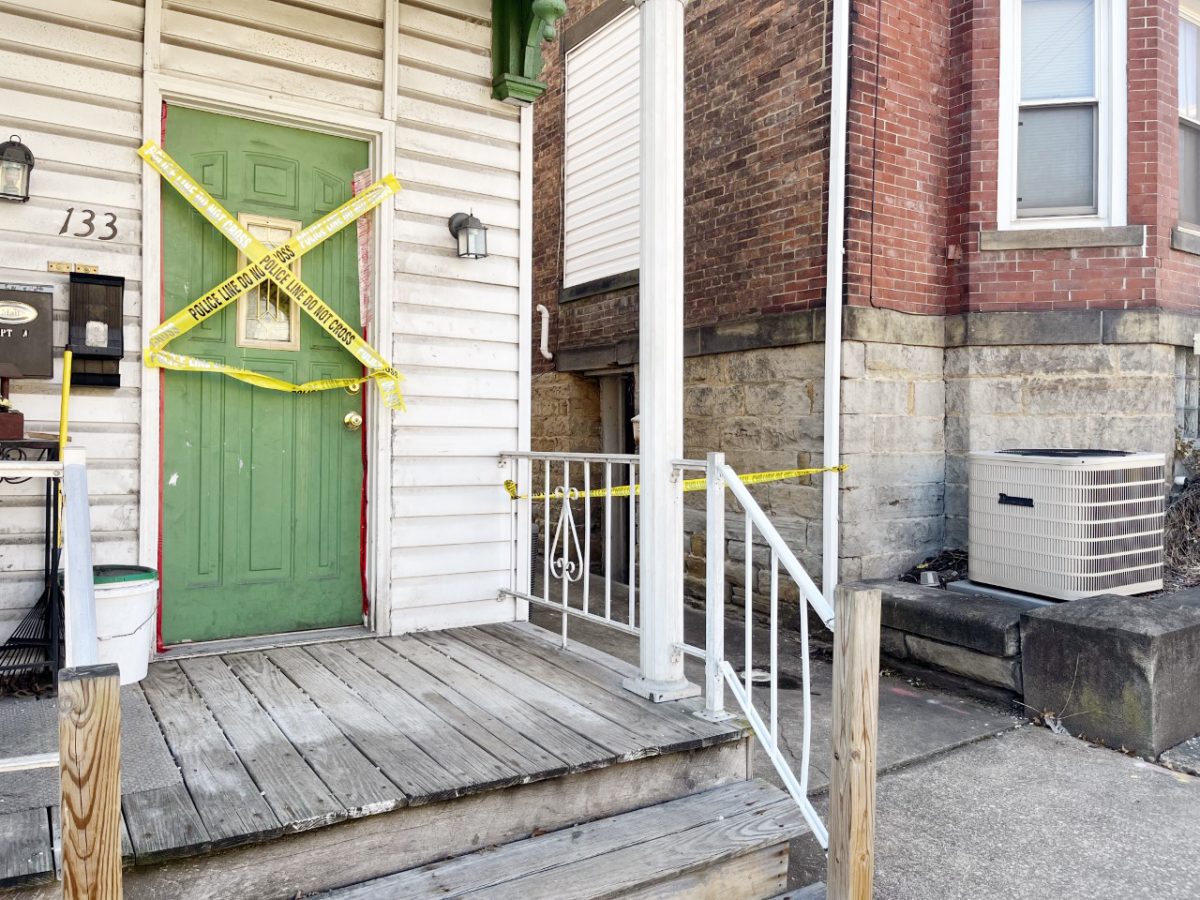
The bodies of a 54-year-old man and a 48-year-old woman were discovered in this South Morris Street apartment in Waynesburg.
Courtesy of PennWest California
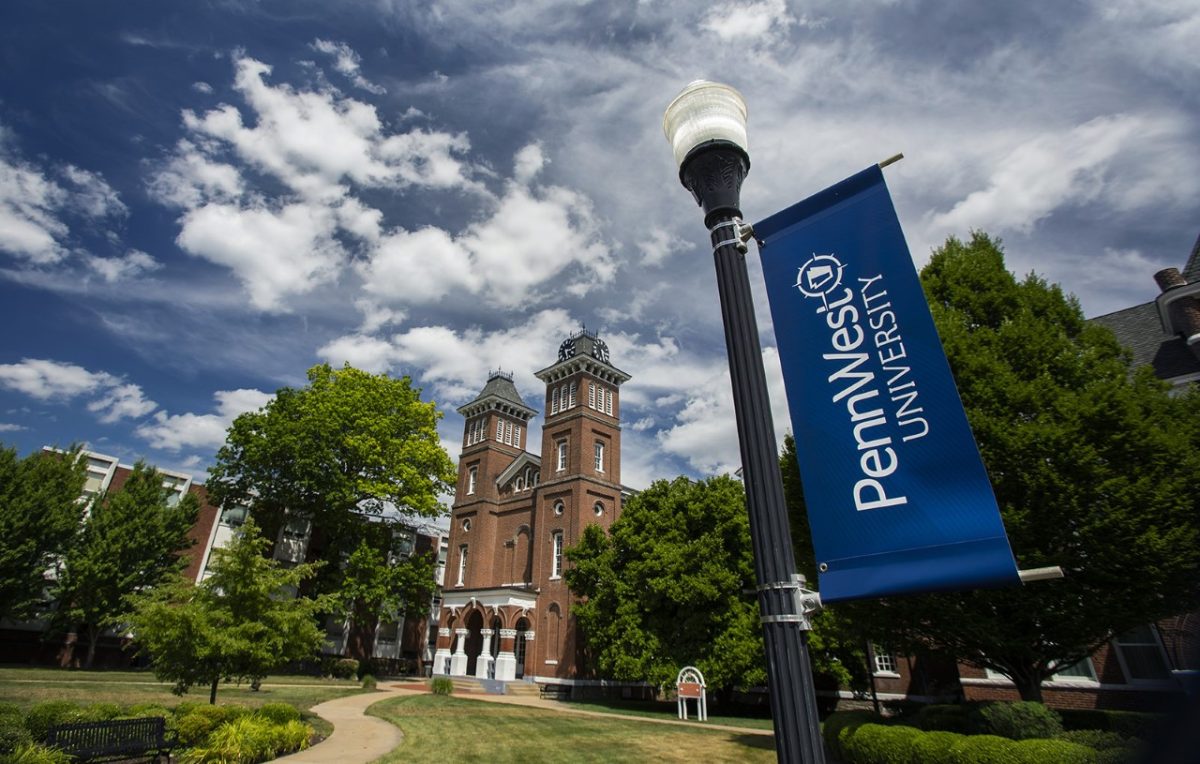
The former California University of Pennsylvania is now known as PennWest California.
Brad Hundt/Observer-Reporter
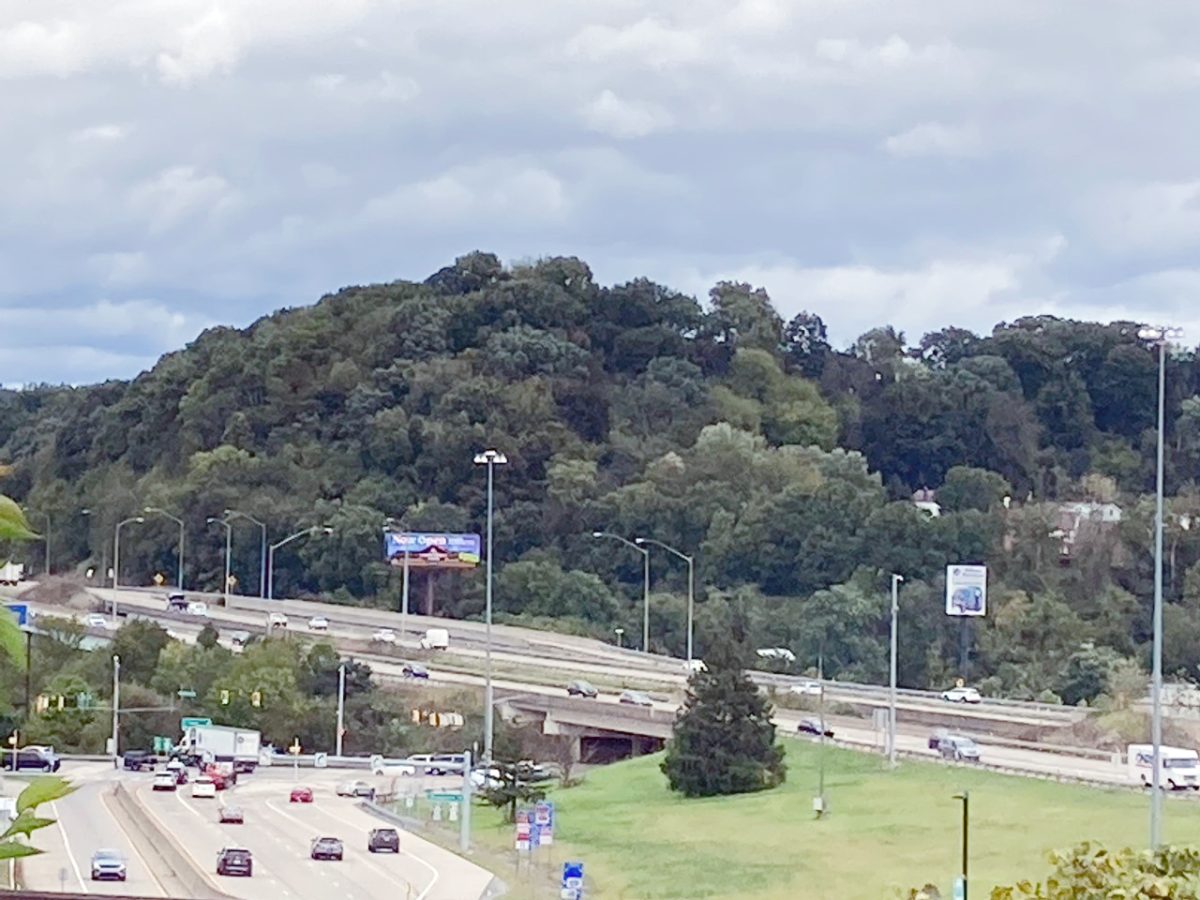
Commonwealth Court halted a plan to place tolls on the Interstate 79 bridge near Bridgeville.

This photograph included in federal court documents allegedly shows Peter Schwartz wearing a plaid shirt and holding a wooden club while participating in the riot at the U.S. Capitol.
1. Davis jailed after being held in contempt, under investigation by A-G office
A nearly ninth-month-long saga involving the Washington County Clerk of Courts office ended in August when President Judge John DiSalle held Brenda Davis in contempt and ordered her to spend 15 days in the county jail.
The situation revolved around how Davis reacted to DiSalle’s order in late November 2021 requiring juvenile case files to be transferred from the clerk of courts office and housed in the county’s probation office instead. But Davis blocked that transfer and was confronted by sheriff’s deputies who attempted to bring her before DiSalle. During the struggle, Davis fell to the ground and laid on the floor in a courthouse hallway for several minutes while being checked by medics.
Davis claimed she was assaulted, but the Attorney General’s office investigated and later determined no charges would be filed against anyone. The Observer-Reporter filed an open records request with the county and was successful in getting surveillance video of the incident released to the public to allow people to make their own determination about what transpired between Davis and the deputies in that hallway.
Following months of appeals by Davis to higher state courts that ultimately were rejected, DiSalle finally held the contempt hearing Aug. 4 in which he said Davis exhibited the “most undignified display of behavior” he had ever seen during his legal career. He held her in contempt of court and ruled that she committed official misconduct as an officer of the court, displayed disobedience and exhibited misbehavior in the presence of the court. The judge immediately sent her to the county jail for 15 days, placed her on probation for six months and ordered her to pay a $5,000 fine and associated court costs.
“Matters that used to be routine have become an ordeal in the courthouse,” DiSalle said at the hearing.
But the legal troubles for Davis did not end there after it was revealed in May that the Attorney General’s office was investigating her handling of electronic timecards for employees in her office.
A search warrant filed April 5 at the magistrate’s office in Washington documented more than 400 instances in which Davis allegedly altered electronic time sheets for seven employees dating back to 2020. Investigators estimated the changes added a combined $12,690 to their pay stubs.
Surveillance video showed the employees leaving the courthouse at the end of their shifts, but their time cards being changed to reflect that they were still working. Investigators subpoenaed log-in records to determine whether any of the employees were working remotely.
The status of the case is unknown, and neither Davis nor any of the employees has been charged in the matter.
2. Midterm mayhem: Snyder announces retirement; GOP takes control of counties
The midterm elections were a disappointment for Republicans nationally – a much-ballyhooed “red wave” never came ashore in November – but in Washington, Greene and Fayette counties, the GOP solidified their hold on a region that was once a Democratic bastion.
The grip the Republican Party now has on the area was apparent in the fact that a handful of candidates drew no Democratic opponents in this election cycle – U.S. Rep. Guy Reschenthaler strolled to re-election without primary or general election competitors in a redrawn district. It was the same for state Sen. Camera Bartolotta, and state Reps. Josh Kail, Tim O’Neal, Jason Ortitay.
State Rep. Mike Puskaric lost his seat in the 39th Legislative District not after he was defeated by a Democrat, but after he was bested by fellow Republican Andrew Kuzma in the GOP primary in May. Kuzma went on to win the general election over Democrat Richard Self. State Rep. Natalie Mihalek had better luck than Puskaric in the 40th District, turning back a challenge from her right from Steve Renz in the May primary, and then winning easily in November against Democrat Chris Todd.
In Fayette County, state Rep. Matthew Dowling managed to hold off a challenge from Ryan Porupski in the GOP primary, but asked that his name be taken off the general election ballot after he was charged with driving under the influence in June. His replacement on the November ballot, Charity Grimm Krupa, won in November, as did state Sen. Pat Stefano and state Rep. Ryan Warner.
The region also lost a seat in the state House of Representatives after a bipartisan commission redrew district lines to reflect the stronger population growth in the eastern part of Pennsylvania and the declines in this region. This led to the 50th Legislative District being stretched from Greene County into the Mon Valley. Before the newly drawn lines were announced, state Rep. Pam Snyder, who represented the 50th District for a a decade and the only remaining Democrat in the region’s House delegation, announced her retirement. Republican state Rep. Bud Cook, who had represented the 49th District since 2017, ended up winning in the new 50th District.
3. Washington, Greene announce sweeping broadband expansion
Officials in Washington and Greene counties made it a priority in 2022 to expand high-speed broadband internet to unserved or underserved residents in rural communities.
Washington County launched its broadband initiative in January with a pilot program near Avella by partnering with Hickory Telephone to provide high-speed internet to Meadowcroft and 50 homes in Jefferson Township.
The success of that program led the commissioners to approve multiple projects in the coming months using federal American Rescue Plan Act money with telecommunication companies splitting the costs. The next phases included Scenery Hill, Glyde, Beallsville, Bentleyville and West Finley. With those projects mostly done, officials announced in October a multi-year plan to bring broadband to 6,500 customers in 10 pockets across Washington County at an estimated cost of $50 million.
“Broadband is a hot topic, everywhere we turn,” county Commission Chairwoman Diana Irey Vaughan said.
Greene County officials have rolled out similar plans after announcing in December they had received a $1 million donation from CNX Foundation that will be used to partner with Kinetic by Windstream to install fiber cable in the northwestern section of the county. That project dovetails with other phases that include installing broadband in the southwestern corner of Greene County and upgrading services for population centers around Waynesburg, Carmichaels and Mt. Morris.
4. Union Township sees mass resignations
Resignation was the word in Union Township in October, and plenty of it.
On Oct. 17, four of the township’s five supervisors – Heather Daerr, chair; Charles Trax Jr., vice chair; Richard Lawson and Michael Barna, who had only been a supervisor for three months – resigned, leaving Michalle Dupree as the lone supervisor in a township of roughly 6,000 residents. They cited a hostile atmosphere as a reason for their resignations.
“I have never experienced the feeling of unsafety and fear and dread that I did in coming to those meetings,” Daerr said at the time about a group of regulars. “There was a pugnacious atmosphere. It was very difficult to conduct township business, and it was getting progressively worse.”
Other resignations included the Sweat Law Firm of Washington as solicitor; accounting firm Palermo/Kissinger & Associates; project manager Terri Gladus; secretary/assistant treasurer Roberta Singer, and the township’s two representatives to the Peters Creek Sanitary Authority, Harold Breinig and Frank Latorre.
A week after the resignations, Washington County Judge Gary Gilman appointed Larry Spahr, Linda Evans Boren, Stephen Parish and Charles Wilson to serve on the board on an “interim basis” until January 2024. Each served as a Union Township supervisor in the past.
The judge also had to formally accept the resignations in the absence of a majority board.
At the first meeting of the new board configuration Dupree asked for patience as the township moved forward.
5. Death after death: Hospitals allow access to COVID units
In the second winter of the pandemic, COVID-19 infections, fueled by the fast-spreading omicron variant, on the heels of the delta variant, stretched staffs and filled beds in Pennsylvania hospitals to their limits.
Washington Health System Washington Hospital and WVU Medicine Uniontown Hospital provided access to Observer-Reporter staff members Karen Mansfield and Katherine Mansfield in February, as the omicron variant was beginning to peak.
“It’s been overwhelming, it’s stressful, it’s fast-paced,” said Washington Hospital Emergency Department nurse Erica Noordhuizen at that time. “With COVID and nursing shortages everywhere, there are times when no beds are available, so that holds up a room, and people who need to be admitted get held here. We get patients who need to go to the ICU, whether it’s for COVID or not, and we can’t get them up there.”
Nicole Carson, a third-generation nurse who graduated from Washington Hospital School of Nursing in August 2020 and immediately went into the CCU, said she never expected to start her career during a pandemic, noting, “to be here and see all of these deaths is kind of shocking.”
She said she believes she will be a better nurse because of working through the pandemic, and said she had been writing in a journal about being a nurse during COVID.
Uniontown Hospital, like others across the state, opened COVID-dedicated units, which regularly were filled with seriously and critically ill patients.
“It’s been a never-ending cycle, and it’s so sad watching these people who are just ready to die,” said ICU nurse Mary Halbrook, a nurse for nearly 33 years.
As the country heads into its third winter with the coronavirus, COVID-19 shots and booster shots targeting circulating variants are available.
6. Rostraver killing cloaked in secrecy
In the days after a man was fatally shot Nov. 5 in the parking lot of a Rostraver Township strip mall, Westmoreland County authorities released few details about the killing, including the victim’s name and the suspect’s identity.
More than a week after Boyke Budiarachman’s death, videos of his funeral in his homeland of Indonesia were posted on Facebook, confirming that the 49-year-old businessman living in Rostraver Township at the time was the victim of the shooting.
Authorities announced they had arrested a suspect in the “targeted” killing, but sealed the case and offered no information about what happened.
The name of the suspect, 55-year-old Keven Van Lam, was only revealed when a reporter went to the Westmoreland County Courthouse and asked to see the seal order for the case. But it’s not known what Lam has been charged with or if there are other suspects arrested in connection with Budiarachman’s killing.
Three newspapers, including the Observer-Reporter and Herald-Standard, filed a motion in Westmoreland County Court of Common Pleas asking a judge to unseal the case, which was denied Dec. 14 following a hearing. The newspapers are considering their appeal options if details of the case are not made public in the near future.
7. Couple charged in Waynesburg double homicide
In 44 years of living in Waynesburg, police Chief Tom Ankrom said he had never seen a double homicide in the borough.
Kevin Lamar Williford, 54, and Judy Butler Hunter, 47, were both found shot to death in their South Morris Street apartment by their landlord on Valentine’s Day. Investigators said it was likely they had been there for a lengthy period of time before being discovered.
Police would later charge Cortland Rogers, 28, and Shawna Smith, 23, both of Waynesburg, with homicide after multiple people told police that Rogers had admitted to the shooting, including a woman who said Rogers and Smith had assaulted and pointed a gun at her. They face additional charges of aggravated assault and kidnapping in connection to that incident. In initial police interviews, both Rogers and Smith insisted the other person had been responsible for the shooting of Williford and Hunter.
Rogers and Smith are both scheduled to appear in plea court on Jan. 11. They also face charges of burglary, reckless endangerment and tampering with evidence. The two are being held without bond in the Greene County jail.
8. Cal U. becomes PennWest
A new era began in August with the welcoming of the first students to PennWest California, as well as PennWest Edinboro and PennWest Clarion.
The three campuses consolidated under the Pennsylvania Western University umbrella as a means of keeping all three open and fully operational while facing rising costs and declining enrollment.
A show of unity for the three campuses took place in August during Welcome Weekend 2022 with simultaneous PennWest flag-raising ceremonies.
“We are Vulcans, Golden Eagles and Fighting Scots,” said Dr. Dale-Elizabeth Pehrsson, founding president of PennWest, in August. “The flag raising ceremony symbolizes that, together, we are part of something greater. PennWest is a place of boundless opportunities for our students.”
The first semester as consolidated campuses seemed to go well. The first PennWest commencement exercises took place the weekend of Dec. 10-11 with more than 1,600 graduates from the three campuses.
Each school still maintains its identity in some ways, including its sports teams.
The combined universities are overseen by a single president in Pehrsson and a council of trustees.
9. Bridge toll plan axed
A proposal from the Pennsylvania Department of Transportation (PennDOT) to toll the Interstate 79 bridge at the Bridgeville exchange was about as popular as radioactive waste with drivers in the region, and it proved to be even less so with the state’s Commonwealth Court.
In June, the court unanimously decided that a plan by PennDOT to toll nine interstate spans, including the one near Bridgeville, did not pass muster because nearby communities were not consulted before the announcement of the plan in February 2021. According to the court, this violated provisions of Act 88, which authorizes public-partnerships for transportation projects.
Had PennDOT’s plan come to fruition, drivers would have to pay a toll that could have been as high as $2 each time they crossed the bridge. The toll would have covered the cost of private contractors handing the refurbishment of the span, which was constructed in 1965 and last rehabilitated in 1998. PennDOT said it needed to pursue public-private partnerships on the interstate bridges so more of the state’s transportation dollars could go to local projects. Officials with PennDOT also argued that the state’s gasoline tax is no longer generating sufficient revenue, and other avenues need to be explored for funding transportation projects.
The court’s decision was in response to a lawsuit filed by South Fayette Township, the community where the exchange is located, along with Collier Township and Bridgeville borough, two other communities close to the bridge.
10. Several area residents charged in Capitol riot convicted
Nearly two years after the Jan. 6 attack on the U.S. Capitol, several area residents have either pleaded guilty or been convicted for their roles in the riot.
Dale “DJ” Shalvey and Tara Stottlemyer traveled from their Bentleyville home to Washington, D.C., and ended up on the Senate floor where video showed them rummaging through official documents. The couple, which has since married and moved to North Carolina, pleaded guilty in October and is awaiting sentencing in January.
Kenneth Grayson of Bridgeville also pleaded guilty for his part in which he entered the Capitol and posted livestream videos on social media. He was sentenced Dec. 19 to serve two months in jail.
But the harshest punishment for local participants in the riot awaits Peter Schwartz, who was living in Uniontown with his wife, Shelly Stallings, when they attended a rally in support of former president Donald Trump and then walked with the mob to the Capitol. Video showed Schwartz showering police officers with pepper spray, and he was convicted on all charges by a federal jury Dec. 6 following a six-day trial. He faces up to 20 years in prison, and will be sentenced early next year.
Stallings, who is now estranged from her husband after moving back to their native Kentucky, pleaded guilty in August and faces several years in prison when she’s sentenced Jan. 13.
Several other local people are either awaiting trial or negotiating plea deals with federal prosecutors.