

Becoming a dad filled with many joys, some challenges
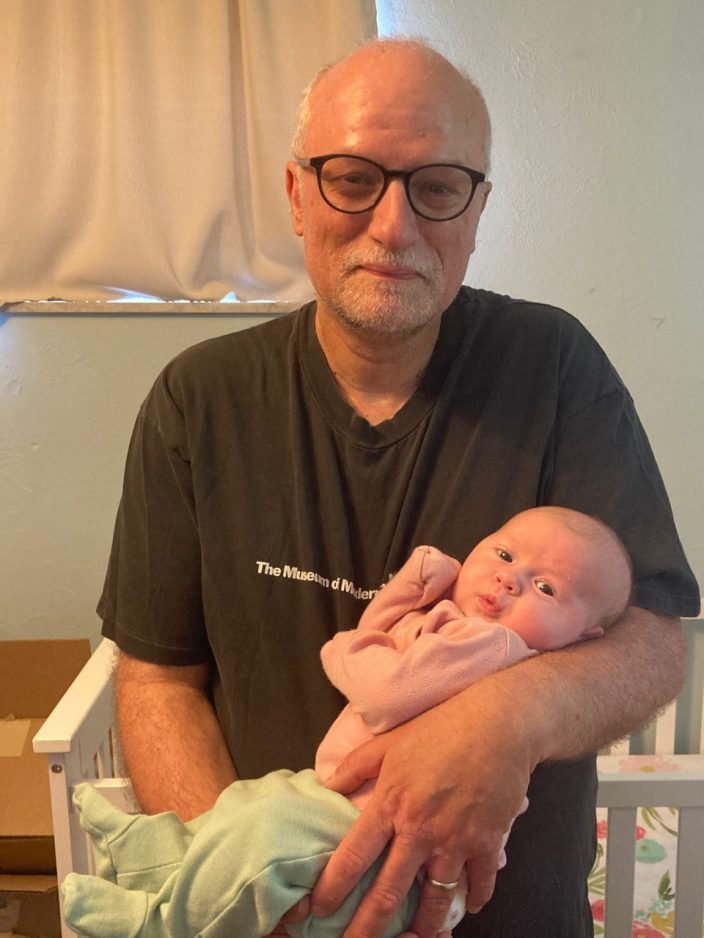
Shanin Hundt/For the Observer-Reporter
Observer-Reporter staff writer Brad Hundt with his daughter, Bronwyn.
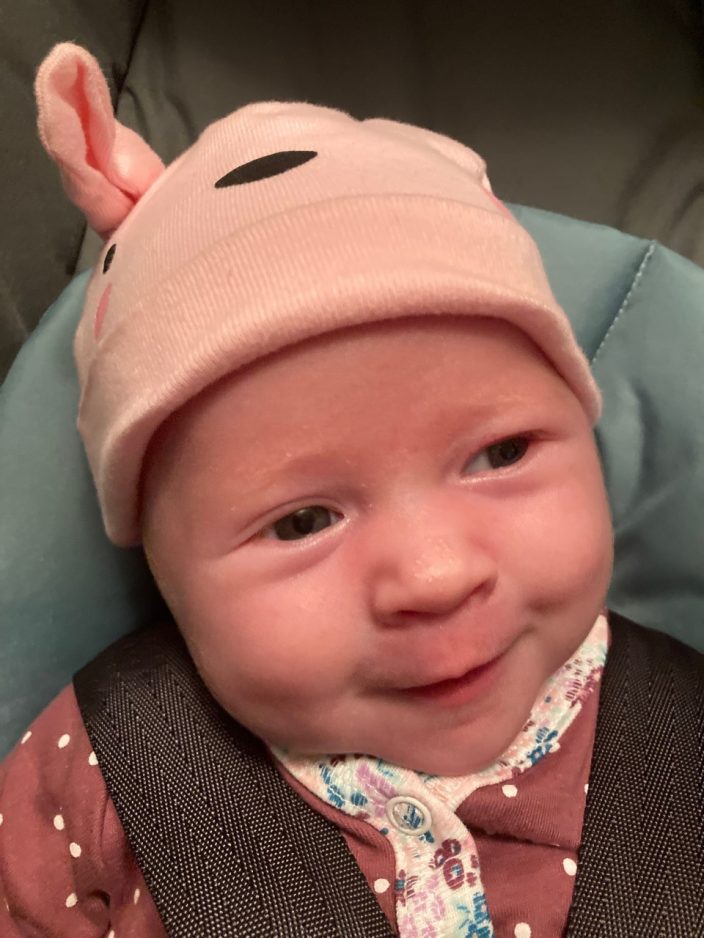
Brad Hundt/Observer-Reporter
Bronwyn Hundt
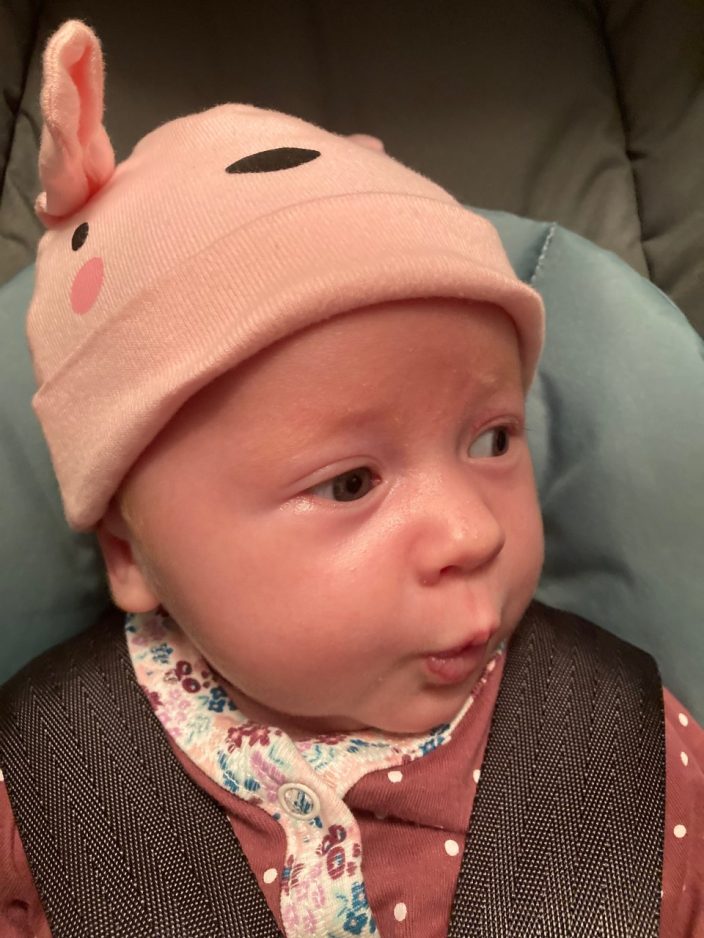
Brad Hundt/Observer-Reporter
Bronwyn Hundt
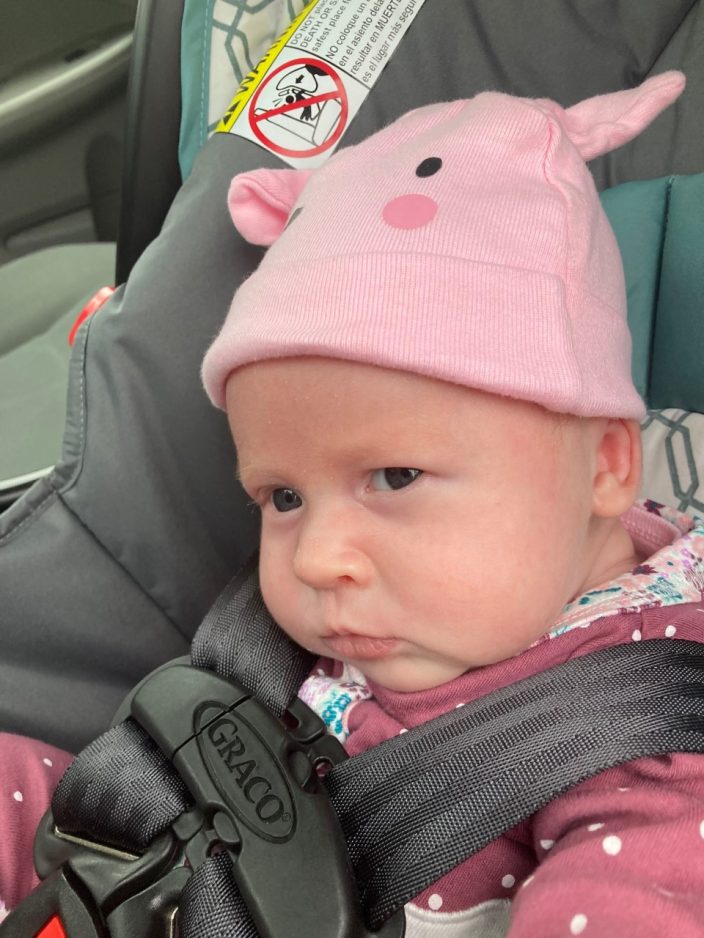
Brad Hundt/Observer-Reporter
Bronwyn Hundt
I have yet to master burping.
I’m doing all right wielding a bottle at feeding time, and I have a whole repertoire of Beatles songs I yodel to my daughter when I attempt to soothe her during a crying jag, with “Here Comes the Sun” and “Yellow Submarine” being particular favorites. Not to pat myself on the back too much, but I feel more assured now when it comes to holding her and carrying her. I’m careful, no question, but in the days just after she was born, I held onto her like a relic just pulled from an ancient Egyptian tomb that might dissolve at any second.
The burping, though. That still eludes me.
I take my hat off to all the people who can effortlessly pat the back of a young’un with sufficient oomph to generate a belch. And we’re talking a belch like a frat guy on a Saturday night bender. That’s a task I’m still working on. I’ll get there. Maybe even by the time she outgrows the actual need to be burped.
Ah, yes, fatherhood is full of joys and challenges. That may be a cliche, but it’s something that’s become tangible for me over the last couple of months. My wife, Shanin, gave birth to our daughter, Bronwyn, this spring, not only making me a dad, but making me a first-time father of a certain age. Let me put it this way: The first phone I used had a rotary dial, I remember when Jimmy Carter was in the White House and when MTV debuted. I’m a couple of decades removed from the average age of first fatherhood in the United States, which is 27. That’s reality. But I’m still reasonably hale and hearty, and I’m not entirely alone in my family tree in undertaking fatherhood a little later in the game – one of my great-great grandfathers fathered his 15th and final child at age 56, and he lived well into his 90s. Fingers crossed that I have more than a couple of his genes.
It also means that this will be the first Father’s Day where I will actually be the recipient of a card and best wishes, like the ones I’ve offered to my own dad for all these years. The idea, I’ll admit, is still taking some getting used to.
Of course, book after book after book has been written on fatherhood. A quick perusal of the Carnegie Library of Pittsburgh database reveals titles like “On Fatherhood,” “Fatherhood Dreams,” “Facing Fatherhood,” “American Fatherhood: A Cultural History,” “Rising to the Challenge of Fatherhood,” and on and on. All told, there are more than 200 books on fatherhood scattered throughout the library system, and that’s probably a small fraction of what is available in the wider world. Thinkers and public figures as varied as Umberto Eco, Sigmund Freud, Frederick Douglass, Euripedes, Billy Graham and Confucius have weighed in on fatherhood. My favorite quote is from author John Green, discussing that point just before a child arrives: “The nature of impending fatherhood is that you are doing something that you’re unqualified to do and then you become qualified while doing it.”
And, trust me, you can read how-to guides, attend classes and watch videos on the day-to-day mechanics of having an infant in the household, but nothing quite prepares you for the sheer, hard, labor-intensive work of it all until they are there, demanding to be fed or changed. Trying to change the diaper of a tot who is wailing and flailing makes me realize how much training it takes to be in the rodeo. Feeding sometimes feels like a round-the-clock, never-ending endeavor. Carrying out an errand as simple as dropping off a car for an oil change is now an undertaking that requires D-Day-level pre-planning and an infant car seat. It’s a far cry from the days of my extended bachelorhood, when I could go and do things pretty much spontaneously.
Still, it could be the real crunch of fatherhood is still looming over the horizon, when Bronwyn is older and more cognizant of the world around her. That could well be the point where fatherhood is at its most awesome and humbling. I will have to lay as good a foundation as I can, set the best possible example, endure some sniffles and tantrums, and, when the time comes, realize she is an individual who will have to chart her own course through life.
I hope when she’s an adult she thinks I did a decent job.