

AAA to hold ‘Yellow Dot Clinic’ in Washington
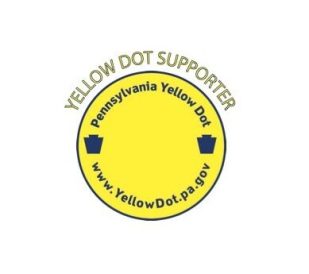
For extra peace of mind while driving, the state Department of Transportation offers a simple way to make sure first responders can quickly access a motorist’s personal information.
It’s a little known offering from PennDOT, but the “Yellow Dot” program provides drivers with, unsurprisingly, a yellow dot sticker that goes on the rear windshield of the vehicle.
This tells first responders that information including the driver’s name, emergency contacts, medical history, allergies and doctors’ contact information is available in the glove box in the event they are unable to communicate after a crash.
This year, AAA has been trying to spread awareness of the program by hosting Yellow Dot Clinics. One is planned to be held at AAA’s Washington branch, located at 196 Murtland Ave., from 11 a.m. to 2 p.m. Tuesday. No clinics are scheduled for Greene or Fayette counties.
“The vital information (first responders) need to get on them, if God forbid they are in one of those car crashes, that information is available,” said Jim Garrity, director of public affairs for AAA East Central.
According to Garrity, the yellow dot program has been around for a while, but AAA just started holding clinics this year.
Those who attend will be walked through the process of filling out the proper documents, and will receive a yellow dot sticker for their car at the end. Anyone who can’t attend can also find the forms and instructions on PennDOT’s website at www.penndot.pa.gov/TravelInPA/Pages/Yellow-Dot.aspx/.
“It is certainly worthwhile,” Garrity said. “It’s one of those things you hope you don’t have to use, but it could potentially save your life if you ever have to use it.”
South Strabane Township Fire Chief Jordan Cramer said he is familiar with the yellow dots, but has never seen one on a vehicle when responding to a crash.
“I think PennDOT could do a little bit better about putting information out about it,” Cramer said.
Cramer believes the concept has potential to be useful if the yellow dots become more widespread.
“We’d love to increase awareness about it,” Cramer said. “It helps out first responders in understanding what specifications that patient might need as we’re trying to care for the patient.”