

Collection of sheet music donated to W&J a window on American music, culture
Brad Hundt/Observer-Reporter
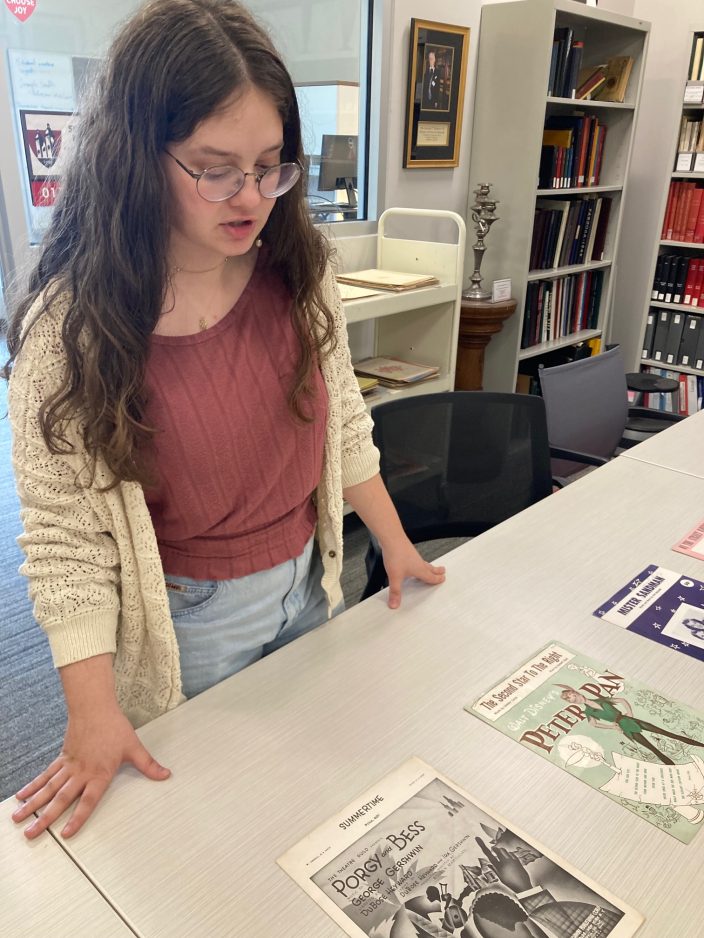
Junior Madeline Frieser looks over sheet music that has been donated to Washington & Jefferson College.
Sheet music photo 1
Brad Hundt/Observer-Reporter
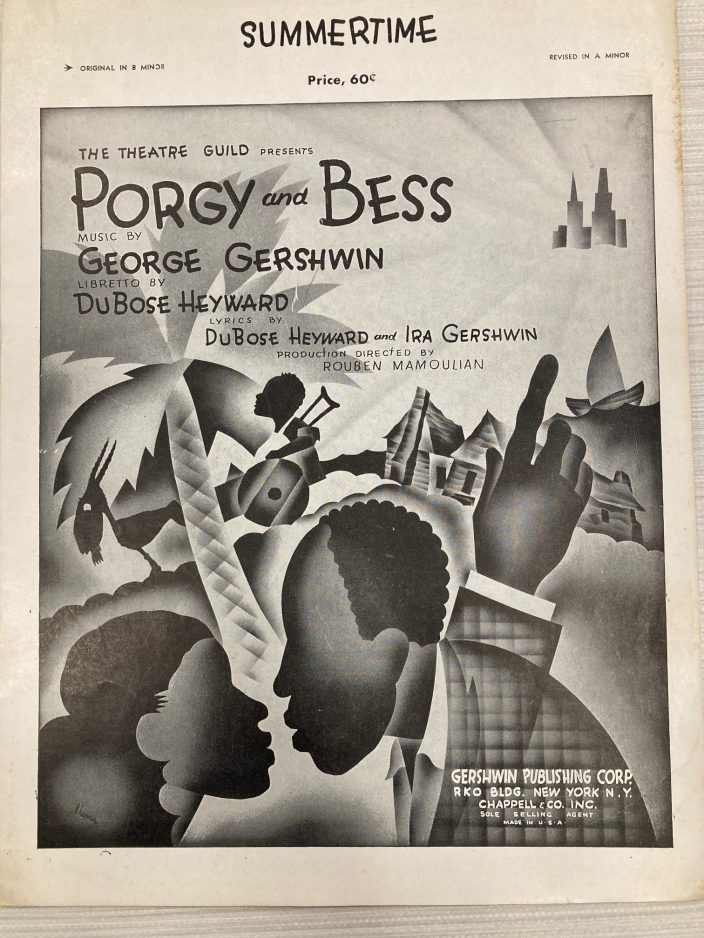
Sheet music for “Summertime,” the George Gershwin classic.
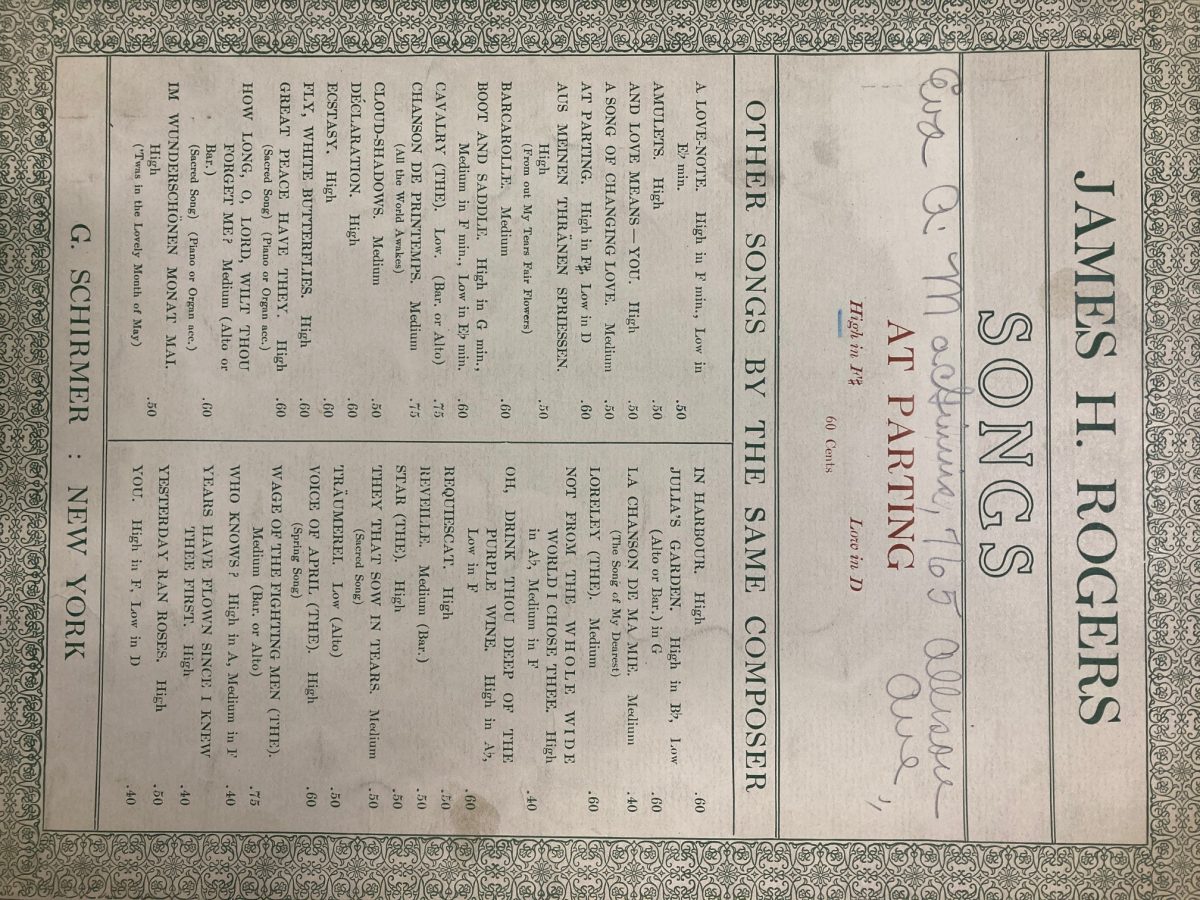
This piece of sheet music, recently donated to Washington & Jefferson College, dates to 1886.
Brad Hundt/Observer-Reporter
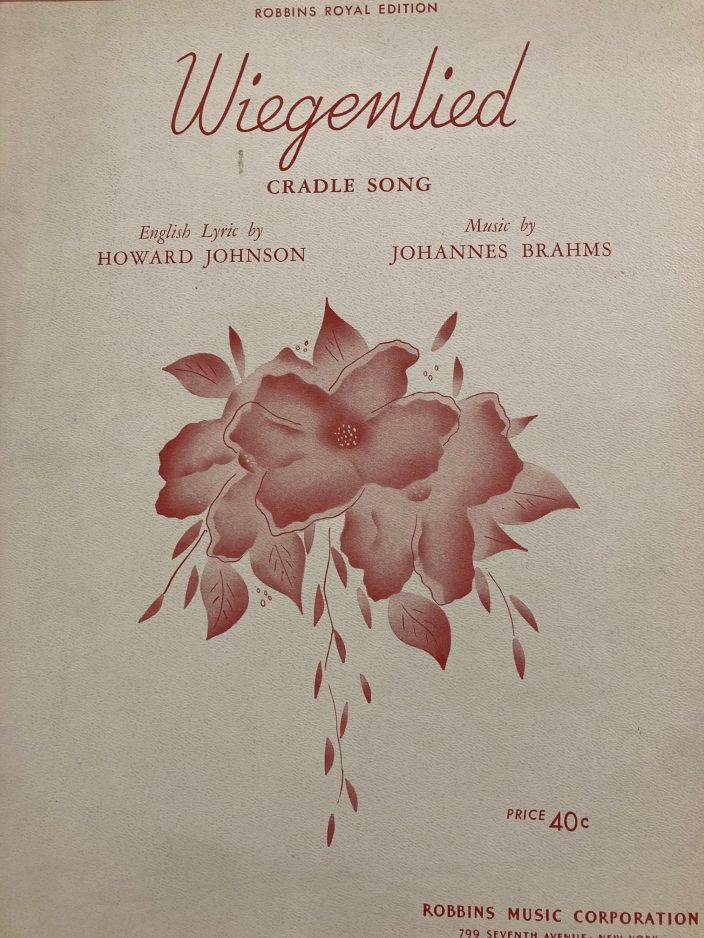
“Wiegenlied,” also known as “The Cradle Song,” is based on music by Brahms.
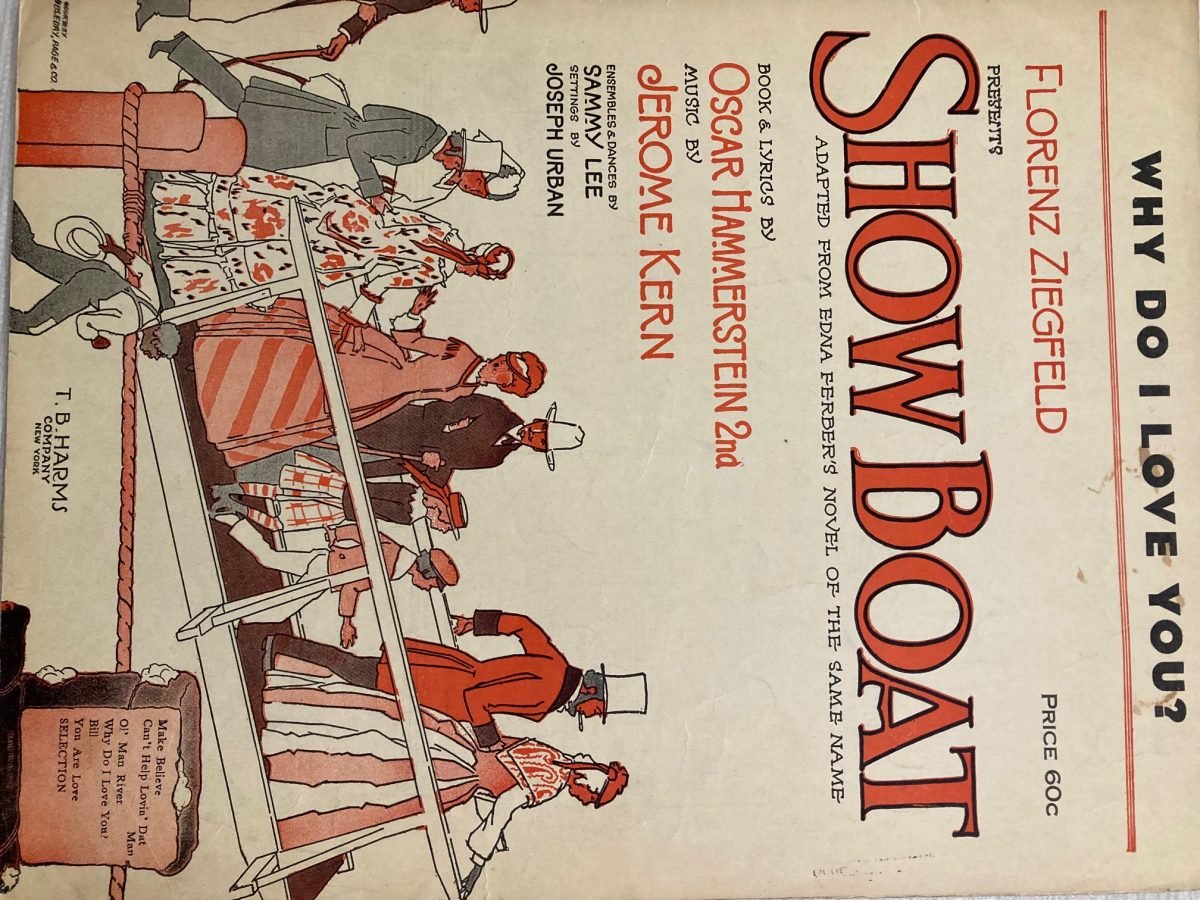
Sheet music for "Why Do I Love You?", from the musical "Showboat."
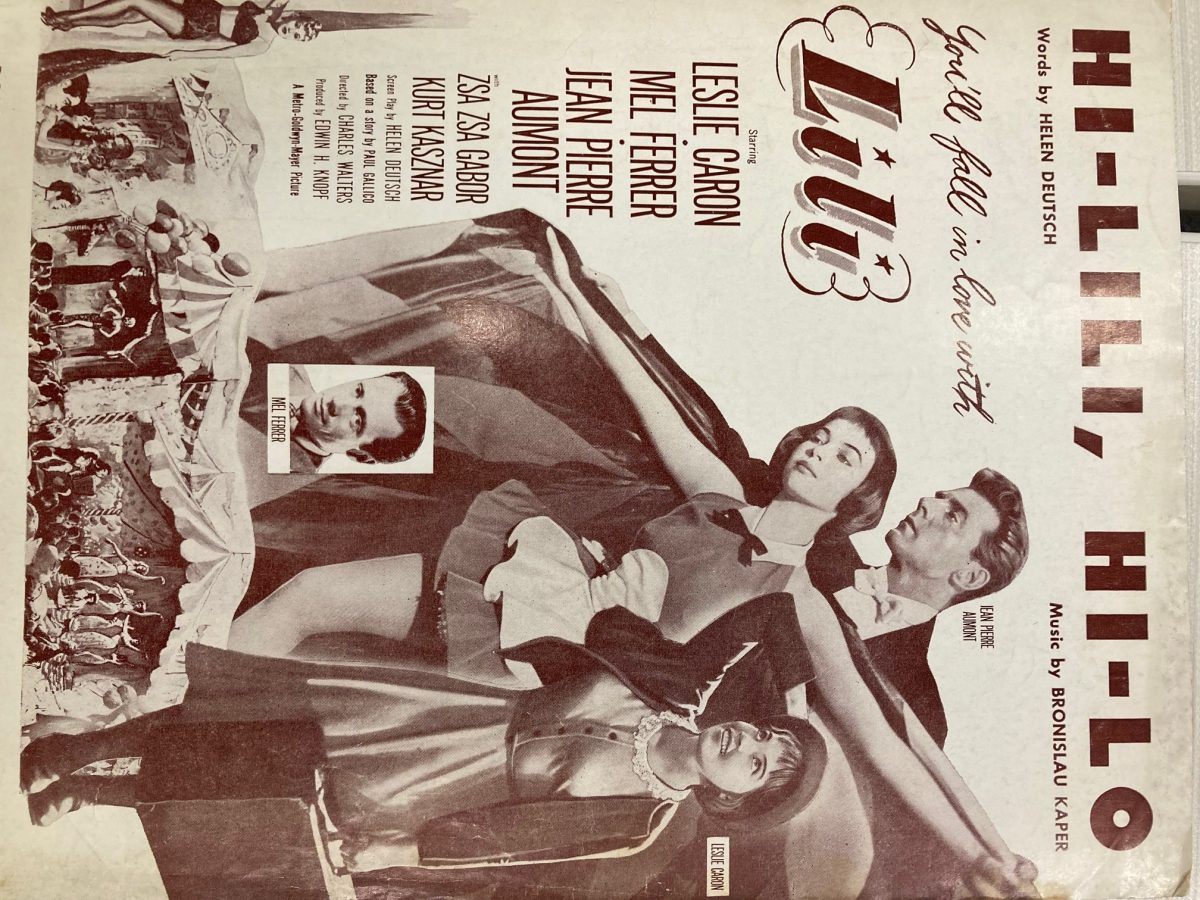
"Hi-Lili, Hi-Lo," from the movie "Lili."
Brad Hundt/Observer-Reporter
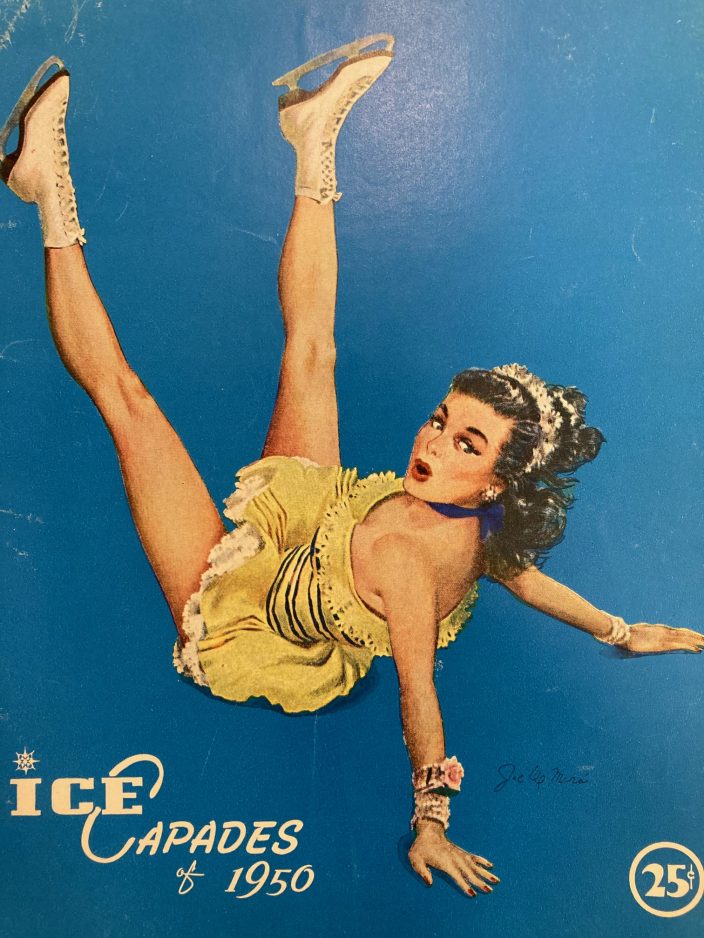
A program for the “Ice Capades of 1950.”
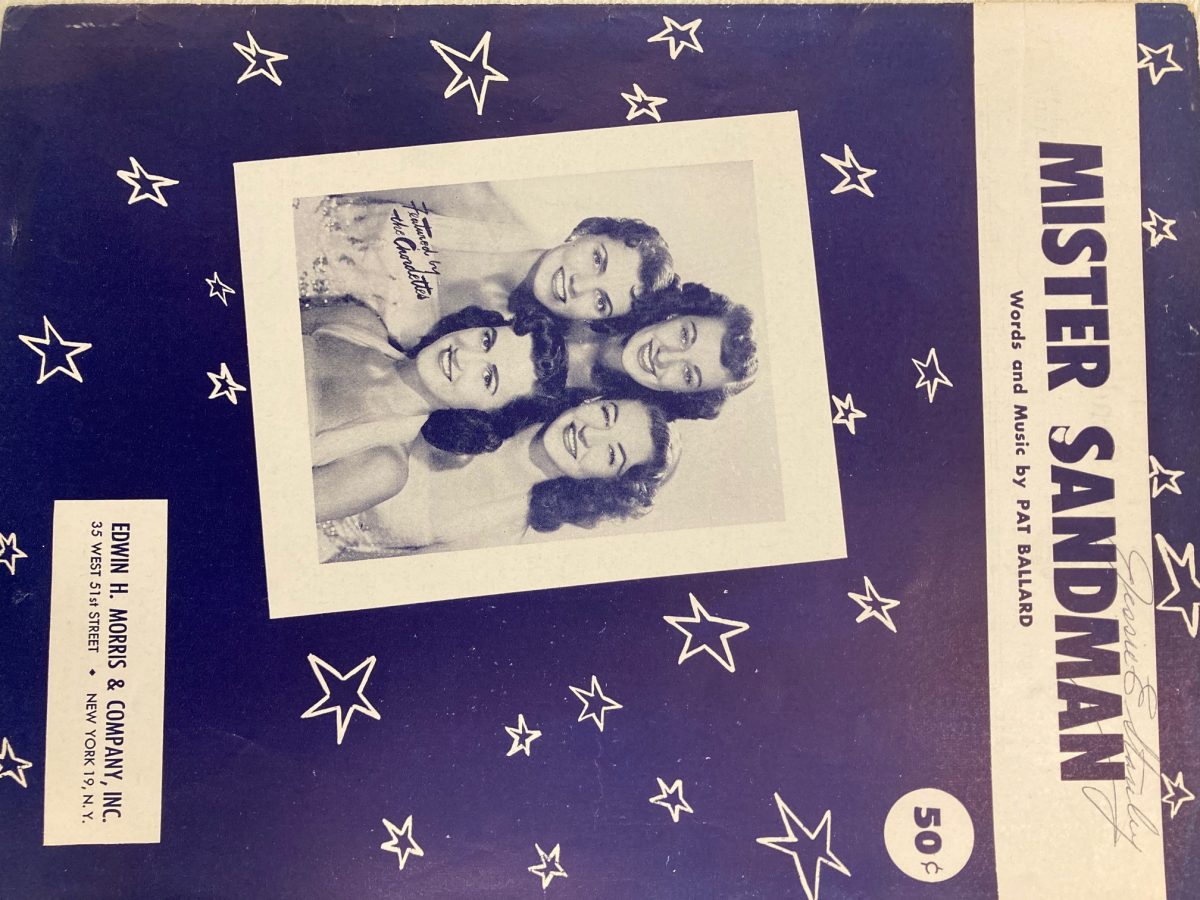
"Mister Sandman" was a hit in the 1950s.
Brad Hundt/Observer-Reporter
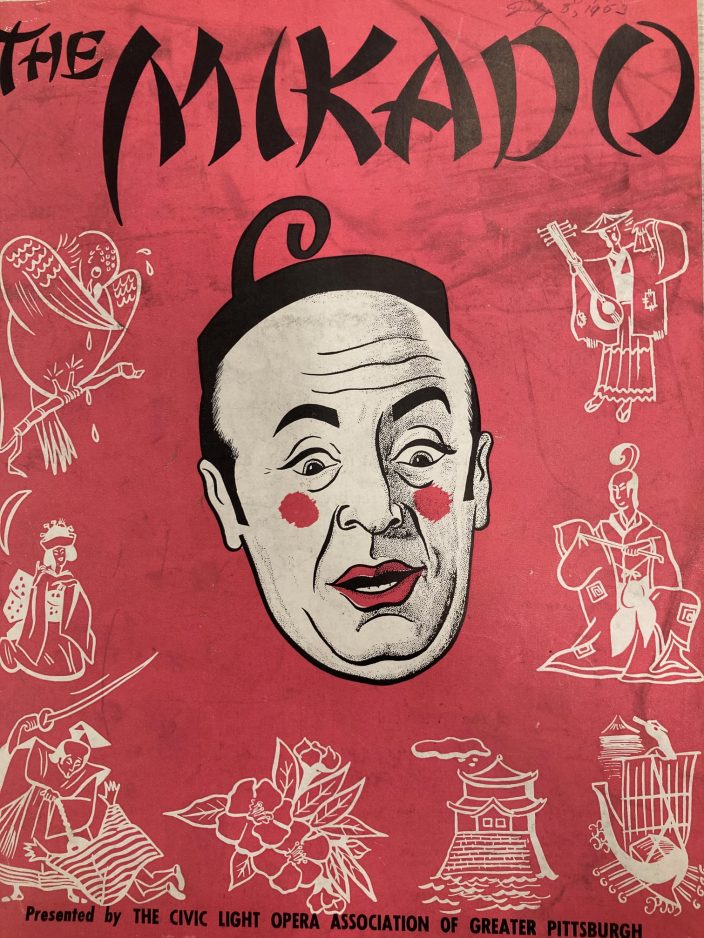
A program for “The Mikado,” presented by Pittsburgh Civic Light Opera.
Generations before four-figure concert tickets were a thing or whole libraries of music were available with a mouse click, sheet music basically was the music industry.
Song after song after song rolled out of New York’s Tin Pan Alley, and the sheet music immortalizing these ditties were ready for purchase by families who could afford to have a piano in their front parlor, or musicians hoping to offer up the melodies for paying customers. It seems hopelessly primitive now, but before the phonograph, the way to hear music was to hear someone actually playing it within your immediate vicinity.
Some of the best-selling sheet music of all time dates back to the 1800s or the first half of the 20th century: Stephen Foster’s “Old Folks at Home”; John Philip Sousa’s “The Stars and Stripes Forever”; and Tell Taylor’s “Down By the Old Mill Stream.” And some of the songs that moved so many copies of sheet music a century ago or longer have since slipped into obscurity – you’d be hard-pressed to find anyone nowadays humming “By the Beautiful Sea” or “Wyoming Lullaby.”
Sheet music still generates millions of dollars every year, but, rightly or wrongly, when many of us think of sheet music, we conjure up images of a great-grandmother’s attic or a musty corner of an antiques shop.
Even if the sheet music produced decades ago are now relics, they provide a valuable window into popular music history, social history, graphic design, and American culture. With these ideas in mind, Washington & Jefferson College recently accepted a large collection of sheet music from a Washington resident so that one day students and faculty in a variety of disciplines will be able to use them for research.
“It’s a very interesting collection,” said Sinead Bligh, the archivist at W&J’s Clark Family Library. “The primary thing I look to collect are the research concerns of faculty and students.”
The collection, which numbers about 600 separate pieces, was donated by lifelong Washington resident Anna Belle Jeffries, and it covers a broad expanse – the oldest selection dates to 1886, while the more recent ones are from the 1960s, and include familiar standards like George Gershwin’s “Summertime,” from the musical “Porgy and Bess,” and “On the Street Where You Live,” from the Broadway smash “My Fair Lady.” There are also some other items that have turned up in it, such as programs to Pittsburgh Civic Light Opera productions.
There are some tunes in the collection that, inescapably, would not be acceptable to current sensibilities, because they contain language that is now outmoded or offensive.
“Popular music is, by its definition, of its time,” said Mark Swift, who chairs the music department at W&J. In the collection, he added, “You’ve got songs that are really obscure and some songs that have lived on.”
And one point Swift said he tries to impart to his students is that music is, indeed, a business, and that point is driven home by the sheet music collection.
“They come to realize that it’s a business,” Swift said. “Popular music is about making money.”
W&J is one of many colleges and institutions maintaining sheet music collections. The University of Michigan has a sheet music collection, as does Brown University, the University of Illinois, Duke University and the Eastman School of Music. W&J’s collection is being cataloged by junior Madeline Frieser. When that is completed, it will be part of the library’s digital archives, joining such items as photographs, commencement programs and copies of The Red and Black, the campus newspaper.
“It’s quite extraordinary,” Bligh said.