

Notice: Undefined offset: 0 in /usr/web/cs-washington.ogdennews.com/wp-content/themes/News_Core_2023_WashCluster/includes/single/single_post_meta_query.php on line 43
Notice: Trying to get property 'paywall' of non-object in /usr/web/cs-washington.ogdennews.com/wp-content/themes/News_Core_2023_WashCluster/includes/single/single_post_meta_query.php on line 43
Officials alarmed by teen use of delta-8
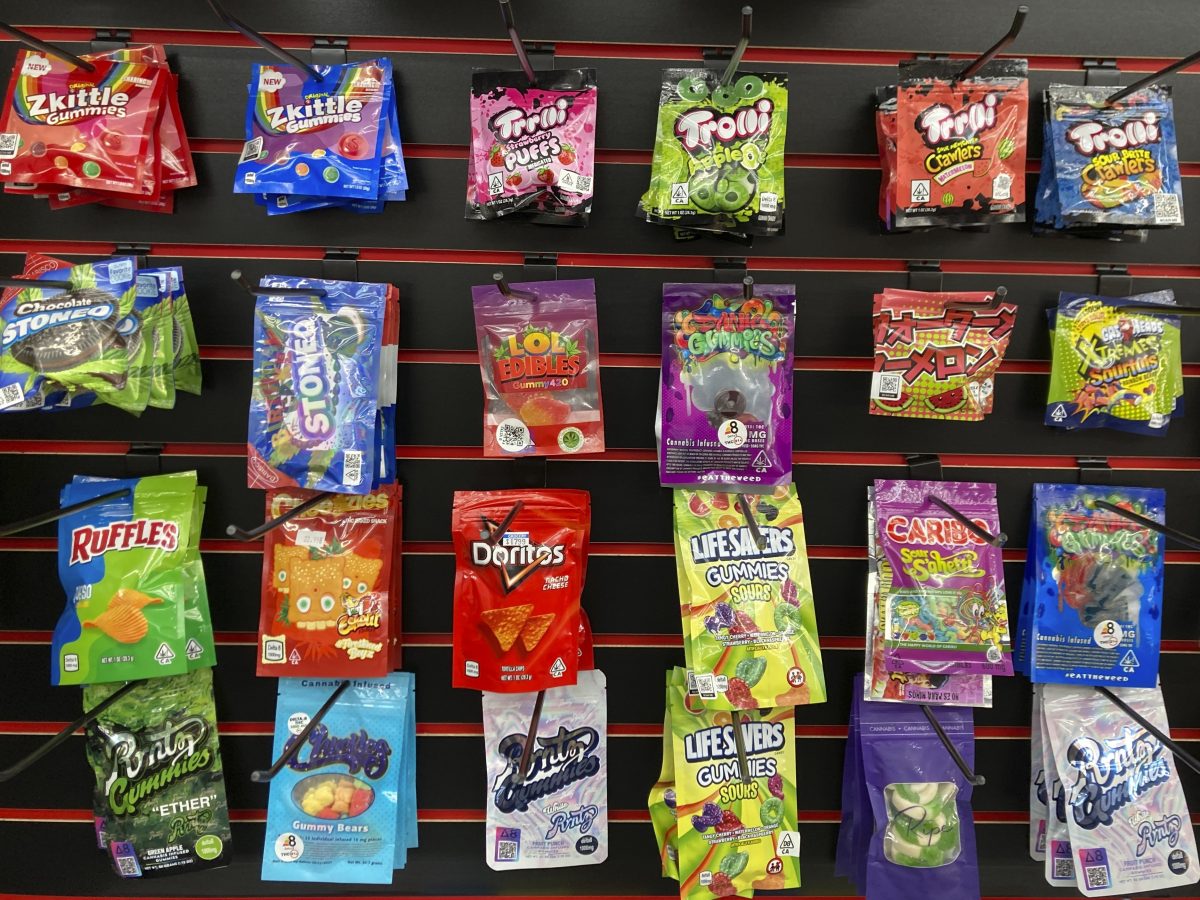
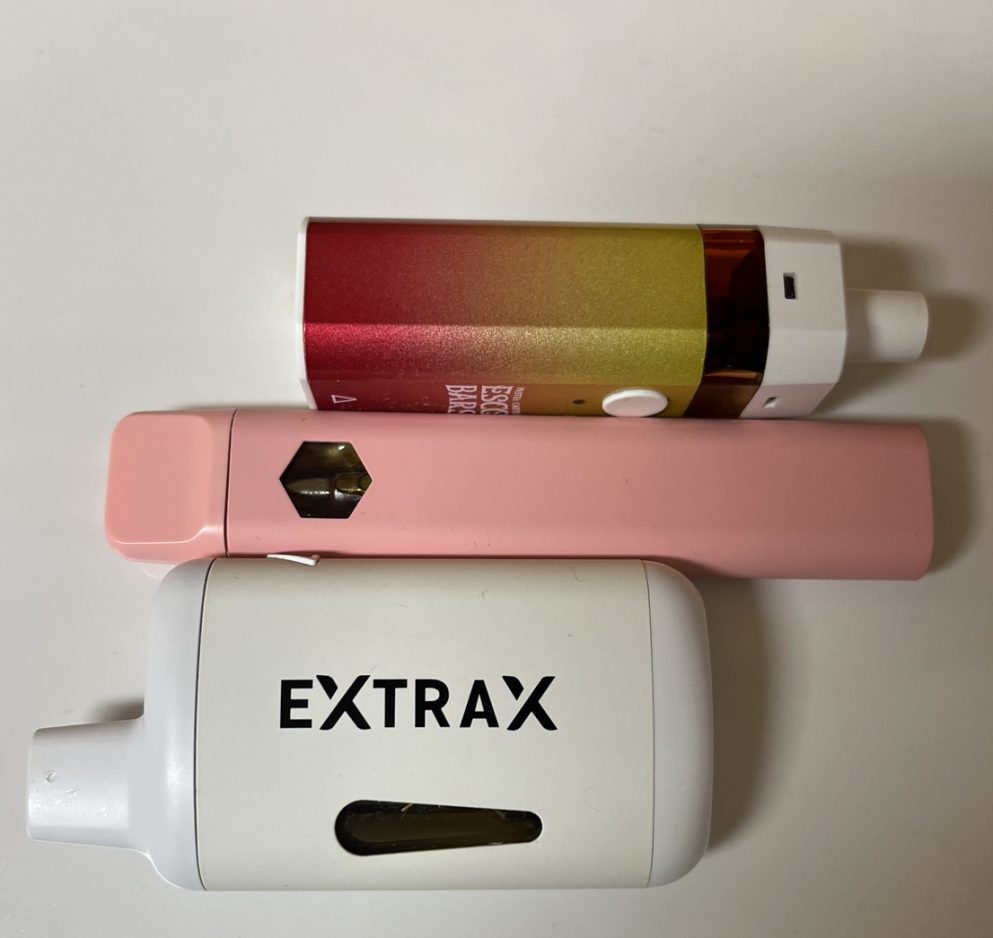
Delta-8, a psychoactive substance derived from hemp, has skyrocketed in popularity among U.S. teens, according to a new study.
The study, funded by the National Institutes of Health, found that more than 11% of high school seniors who took part in a national survey last spring said they had used delta-8 THC.
Delta-8 is chemically very similar to delta-9 THC, the molecule in marijuana responsible for causing the “high” associated with taking cannabis.
Products containing delta-8 – vape cartridges, capsules, edibles such as gummies, cookies, and snacks similar to corn chips and cheese puffs – soared in popularity after a loophole in the 2018 Farm Bill allowed it to to be sold nationwide without restrictions placed on traditional marijuana.
While legal marijuana can only be sold at licensed, adult-only dispensaries, delta-8 products can be bought online and at gas stations, convenience stores, and tobacco shops. There is no federal minimum age to purchase delta-8 products, which makes them more easily accessible to minors.
The rise in popularity of delta-8 caught the attention of researchers at the University of Michigan and the University of Southern California, who published their findings this week in the Journal of the American Medical Association.
“We don’t know enough about these drugs, but we see that they are already extremely accessible to teens,” said Dr. Nora Volkow, director of the National Institute of Drug Abuse, part of NIH. “Cannabis use in general has been associated with negative impacts on the adolescent brain, so we must pay attention to the kinds of cannabis products teens are using, educate young people about potential risks, and ensure that treatment for cannabis use disorder and adequate mental health care is provided to those who need it.”
Multiple studies have shown that teen use of cannabis is associated with impaired learning, memory, and attention, and changes in brain development. There also are concerns about its use being associated with the development of psychiatric illness, such as depression and psychotic disorders.
Dr. Joseph Aracri, Allegheny Health Network’s chair of pediatrics, said there is a misperception that cannabis is safe and healthy.
“But more and more is coming to light; there are definitely things like cognitive delay, lower IQs, there’s something called amotivational syndrome, where kids don’t feel like doing anything – they have decreased motivation and increased isolation,” he said.
Calls to America’s poison centers about delta-8 products spiked 82% from 2021 to 2022, the organization said, with 3,358 exposures managed in 2022. Reactions included hallucinations, vomiting, anxiety, confusion, and loss of consciousness, according to the agency.
There are safety concerns, too, and the Food and Drug Administration has previously warned that delta-8 products have not been evaluated or approved by federal regulators for safe use in any context and could result in “serious health risks.”
Potentially unsafe chemicals – among them, solvents like toluene, hexane, and heavy metal catalysts — are used to create delta-8, the FDA cautioned. Because the contents of delta-8 vary, users don’t know what they’re getting, or the concentration of those ingredients.
Additionally, since the manufacturing of delta-8 THC is unregulated, products could be made in uncontrolled or unsanitary settings.
“Delta-8 products are out there where teens can easily find them and buy them, and there needs to be continued surveillance of its use, as well as public health efforts to help youth and parents stay informed and safe,” said Dr. Alyssa Harlow, clinical assistant professor of population and public health sciences at USC, a lead author of the study.
In 2023, the FDA sent warning letters to six companies for selling delta-8 edible products in packaging that is almost identical to snacks and candy children eat, including Doritos chips, Cheetos cheese-flavored snacks, and Nerds candy.
Aracri likened the use of delta-8 packaging that appeals to teens to the now infamous Old Joe Camel campaign for the Camel brand of cigarettes that faced criticism from the public for influencing children to smoke.
“When you think about it, Camel couldn’t use Joe Cool, but the packaging for (delta-8) is actually kind of fun, it’s marketed to adolescents,” he noted.
Of the 2,196 high school respondents who reported delta-8 use in the last year, some reported using it fairly frequently, with more than a third saying they had used it 10 or more times during that period – and nearly 17% reporting using the product more than 40 times.
Last year marked the first time the survey included questions on delta-8.
The NIH said there is a need to assess delta-8 use in younger teens and to include a larger survey sample across a wider range of states.
Aracri encourages parents to talk with their children about drug use, including cannabis and delta-8, at an early age.
“As with any kind of drug, you have to have that open conversation with that kid, and talk with them before they reach that adolescent age,” said Aracri. “Talk with them when they’re pre-teens about the dangers.”