

‘Three strikes’ not the way to go for opioid addicts
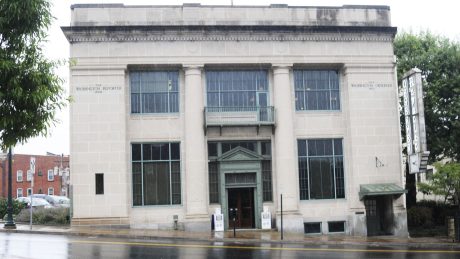
Middletown.
The name summons up images of a well-tended small community, with a local eminence’s statue in the town square, tree-lined boulevards and sidewalks that are pretty much rolled up by 6 p.m. There’s a Middletown in Pennsylvania, and in Connecticut, Delaware, Illinois, Indiana, Iowa, Michigan, Missouri, Virginia and other states.
Not much news ever comes out of places called Middletown, but the burgh that bears that name in Ohio made national headlines last week when a member of its city council suggested implementing a three-strikes policy when it comes to opioid overdoses – if emergency personnel treat an addict after they overdose twice, they won’t respond a third time.
Dan Picard, the council member, told The Washington Post he offered the proposition not because he relishes the idea of the Grim Reaper having a field day in Middletown, but the cost of bringing addicts back from the brink through Narcan and then taking them to a hospital threatens to drain the city’s coffers.
“It’s not a proposal to solve the drug problem,” Picard conceded. “My proposal is in regard to the financial survivability of our city. If we’re spending $2 million this year and $4 million next year and $6 million after that, we’re in trouble. We’re going to have to start laying off. We’re going to have to raise taxes.”
Indeed, according to the Post, Middletown taxpayers have had to pay a considerable price in treating addicts. Each run by paramedics costs $1,104, and, as of midway through last week, they made close to 600 of them this year. That’s a 300 percent increase from last year. The same story is being told in other communities – the overall costs across the country have come to a little more than $78 billion.
It’s easy to understand Picard’s frustration. But declining medical help to addicts who cannot shake their dependency is not a policy Middletown should adopt, and if it did, it’s not one communities elsewhere should consider emulating.
In reality, there’s not much likelihood that Middletown actually will. City Manager Douglas Adkins told USA Today Ohio law mandates “when we are called to render aid, we generally have to treat whatever condition we encounter.” He added, “I’m not going to get into the moral implications of whether those laws are good or bad, they simply are the law in Ohio. What this means is that Middletown will spend about $1.5 million a year responding to and reacting to opioid addiction problems in the city. That money could be spent on other priorities.”
But let’s say Middletown or some other community decided to no longer aid opioid addicts after they have reached a certain point. Would they then decide that responding to multiple calls to the home of a frail 96-year-old man is just too much trouble because the old fella doesn’t have many grains of sand left in the hourglass? Or someone who is having their third heart attack? Will that person be quizzed about their eating and exercise habits before they are hoisted on a gurney? How about the victims of motorcycle accidents who don’t wear helmets? Or drivers in the mangled wreckage of cars they were piloting recklessly?
Let’s face it: People can be prone to folly, and they can’t be left to die if they’ve made an unwise decision. If we decided otherwise, the price we would pay with our humanity would vastly exceed the costs of all of Middletown’s paramedic runs.