

OP-ED: Coronavirus shutdown showed need for full liquor privatization
Television host Johnny Carson once described happiness as “a rare steak, a bottle of whiskey, and a dog to eat the rare steak.” Pennsylvanians pursuing happiness in these difficult times would love to relax with their favorite drink – but our government-controlled liquor system has left them frustrated.
The many failures of the Pennsylvania Liquor Control Board (PLCB) during the coronavirus crisis taught us one thing: It’s time to unleash the power of the private sector. With millions of livelihoods lost, family members sick, and the climate of fear stoked by sensationalist media stories, the last thing Pennsylvanians wanted was terrible service at the local liquor store. But that’s exactly what we got.
Unlike the vast majority of states in America, Pennsylvania doesn’t just have laws about drinking – the state government actually owns our entire liquor industry. That has caused all the waste and mismanagement you would expect from a government bureaucracy, especially in recent months, as buying a drink became difficult, if not impossible.
After Governor Wolf’s sudden announcement of his coronavirus shutdown, discerning Pennsylvanians rushed to state-owned liquor stores before they were shut out indefinitely. Thousands didn’t make it in time – and unlike their peers in other states where liquor stores closed, they were forced to wait several weeks for alternative options. When the PCLB finally opened online sales, our state became a national laughingstock as website crashes and an experimental lottery algorithm restricted sales to 1 in 330 customers.
Of course, enterprising Pennsylvanians then traveled across state lines to purchase liquor. Technically illegal, this “bootlegging” also bore the risk of spreading coronavirus – so our neighboring states started demanding in-state ID for liquor sales. Most years, about 40% of liquor purchasers in Pennsylvania also buy in other states, but this year, the PCLB’s failure sent that number skyrocketing.
Wine retailers, hotels, and restaurants offering take-out are among the businesses impacted by the PCLB’s supply disruptions and confusing memos in March, which first insisted that establishments offer to-go cocktails, then demanded they close even before the statewide shutdown.
We need to privatize our state’s beverage industry immediately – and not just to ensure consumers get what they want. With government out of the liquor business, we can create jobs and empower diverse, citizen-owned stores that will boost small businesses potential in other areas.
Privatization would also impact liquor licenses, which are controlled by the PLCB and are crucial to thousands of small businesses. Licenses are limited to one per every 3,000 residents in a county, and can cost as much as $500,000 – no big deal for major chains, but an insurmountable hurdle for a startup restaurant.
During the crisis, the PLCB lost an estimated $49 million in sales due to simple mismanagement. Internally, the state liquor system can’t even balance its own checkbook, leaving $1.2 billion of its employees’ retirement benefits unfunded. Collecting the existing sales tax via private stores would end this waste and easily maintain state revenue from liquor sales. That is aside from all the other economic benefits, such as jobs and independent entrepreneurship.
These are systemic problems that can’t be papered over with mere fixes to online ordering in preparation for the next crisis. The PLCB itself is the crisis: by wasting tax dollars and stifling entrepreneurship, it forces Pennsylvania into a bizarre half-prohibition where only government bureaucracy wins.
Thankfully, the comprehensive overhaul that two-thirds of Pennsylvania voters have long demanded has finally arrived. I have sponsored House Bill 2547 to convert state-owned stores into citizen-owned businesses. After Wolf vetoed Speaker of the House Mike Turzai’s similar proposal for full privatization in 2015, they reached an historic compromise that enabled beer and wine sales in grocery stores. Now it’s time to finish the job of full privatization.
Washington state passed privatization legislation in 2011, and cut the administrative costs of liquor regulation by an impressive 77% – a savings of $188 million per year. Pennsylvania’s population is twice as large as Washington’s, indicating even greater savings to taxpayers here.
As we try to make up for the PLCB’s lost revenue and other failures, we must address the root of the problem. The time is now to provide freedom for citizen-owned liquor stores, who will take care of their customers like a government monopoly never could.
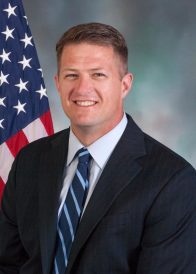
State Rep. Tim O’Neal represents the 48th Legislative District.