

EDITORIAL: Tulsa anniversary a time for reflection
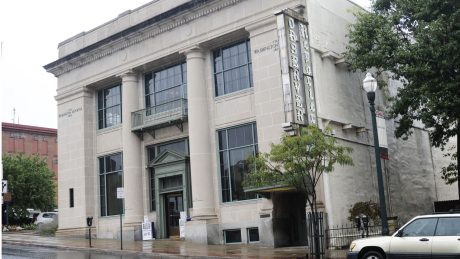
Earlier this month, Tulsa, Okla., ended up making national headlines with the announcement that it would soon be the home of the Bob Dylan Center, a museum and research institute dedicated to the legendary singer-songwriter who will turn 80 on Monday.
Tulsa is bound to be in the national spotlight again in the days ahead, but not for something as novel and worthy as the Bob Dylan Center. May 31 marks the 100th anniversary of what has come to be known as the “Tulsa massacre,” a spree of indiscriminate killing and destruction that left scores of Black residents injured, dead and dispossessed. It has since become emblematic of the way many Black Americans were treated in the century between the end of the Civil War and the passage of the Civil Rights Act of 1964.
What happened on that final Tuesday in May and the days that follows beggars the imagination. After unsubstantiated rumors swirled that a young Black teen had sexually assaulted a white woman, a mob descended on Tulsa’s Greenwood section, which was the home to a bustling array of Black-owned businesses in the rigorously segregated city. With the blessing of city officials, the white mob embarked on a two-day bender of violence. Black residents were shot and killed on sight, for no apparent reason, and churches, banks, grocery stores, doctors offices, a school, a hospital, a library and other enterprises were destroyed across 35 city blocks. The spasm of violence also led to hundreds of homes being burned to the ground. The death toll was believed to have topped 300, and the cost of property damage would be more than $30 million in today’s dollars.
No one was ultimately charged for these crimes. In the aftermath, many Black residents tried to rebuild, but were stymied when the city would not even sell them materials they could use for construction.
What happened in Tulsa 100 years ago was monstrous, but it was not without precedent. Two years before, Black communities across the country were besieged by white supremacist mobs in what become known as “Red Summer.” Sparked by a post-World War I economic slump and a scramble for jobs by ethnic European Americans and African Americans, violence broke out in rural Georgia, Indianapolis, Scranton, Norfolk, Va., and many other places. Chicago saw the worst violence, with about 1,000 Black families rendered homeless after a spree of destruction.
Sure, we can comfort ourselves that these incidents happened 100 years ago. That was a long time ago, and there’s no denying progress has been made in the decades since. But the images that went around the world of white supremacists marching through Charlottesville, Va., in 2017 and George Floyd being murdered by a Minneapolis police officer a year ago on Tuesday can make that progress seem painfully fragile.
For years, what happened in Tulsa in 1921 was not taught in Oklahoma’s public schools. It should have been, and it needs to be taught in other public schools. Not to demonstrate that America is inherently evil, but that it is imperfect, and building a more perfect union, to use the words of the Constitution, requires awareness of the times when the country has fallen short of its ideals.