

EDITORIAL: For malls, it’s a time of reinvention
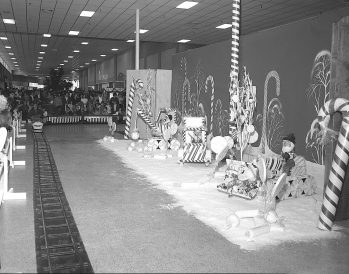
Nostalgia is as much a part of Christmas as eggnog, stockings hung by the fireplace and Burl Ives singing “Rudolph the Red-Nosed Reindeer.”
But, for most of us, the seasonal nostalgia does not include images of carolers in a town square, horse-drawn sleighs gliding across a snowy landscape or any of the other images that fill up thousands of greeting cards this time of year. Instead, when we get sentimental about Christmases from days gone by, we’re likely to have happy memories of being part of a throng at a shopping mall.
If you grew up anywhere from the end of the 1960s to the end of the 1990s, malls were indispensable components of the holidays. You could get almost all your gifts purchased at them in one fell swoop. You could grab yard tools for grandpa, a couple of sweaters for mom, the latest hit album – in cassette or 8-track tape, perhaps – for your brother and new shoes for yourself. You were likely to find your classmates orbiting around, and they were also looking for gifts or just hanging out. Malls weakened actual downtowns, but in their own way became town centers themselves, but enclosed, climate-controlled and almost wholly devoted to commerce.
As 2022 wraps up, however, malls in every corner of the country are facing some serious headwinds. Consumers have been turning to online shopping for years, and the COVID-19 pandemic only accelerated that trend. Anchor stores like Montgomery Ward and Sears have largely become extinct, leaving large, empty spaces at many malls. Malls like Washington Crown Center and Uniontown Mall have lost tenants, including their movie theaters. Washington Mall, which opened with much ballyhoo in 1968, is now down to just a couple of tenants, a ghost of what it once was.
In its heyday, the idea of a mall withering away and having to close would have seemed fantastical. But forecasters believe the lion’s share of America’s malls will be gone in a decade – there could be as few as 150 across the country in 2032, down from 700 today, and a long fall from the 2,500 malls that dotted the landscape in the 1980s.
On one hand, you could argue that this is the way dynamic market economies function. It’s out with the old and in with the new, as consumers are motivated by choice, convenience and price. Perhaps there could be no better symbol of this than an Amazon warehouse that is located on a site where a mall once stood in Toledo, Ohio. On the other hand, though, malls have a lot of space, plenty of parking and an infrastructure already in place. They can be reinvented and reused for other purposes.
At Ross Park Mall in Pittsburgh, for instance, the space that was once filled by JCPenney is now hosting an exhibit that reproduces portions of the ceiling of the Sistine Chapel. Other malls have added spas, bowling alleys, wellness centers, educational facilities and other attractions.
Malls can have new lives.
Alexandra Lange, the author of the newly published book, “Meet Me by the Fountain: An Inside History of the Mall,” put it this way: “Malls represent heavy investments in infrastructure, construction materials and place making that should not be discarded.”