

Hits and Misses

Rogelio V. Solis/Associated Press
A voter ponders his choices in this file photo.

foodbank2
Photos: Karen Mansfield/Observer-Reporter
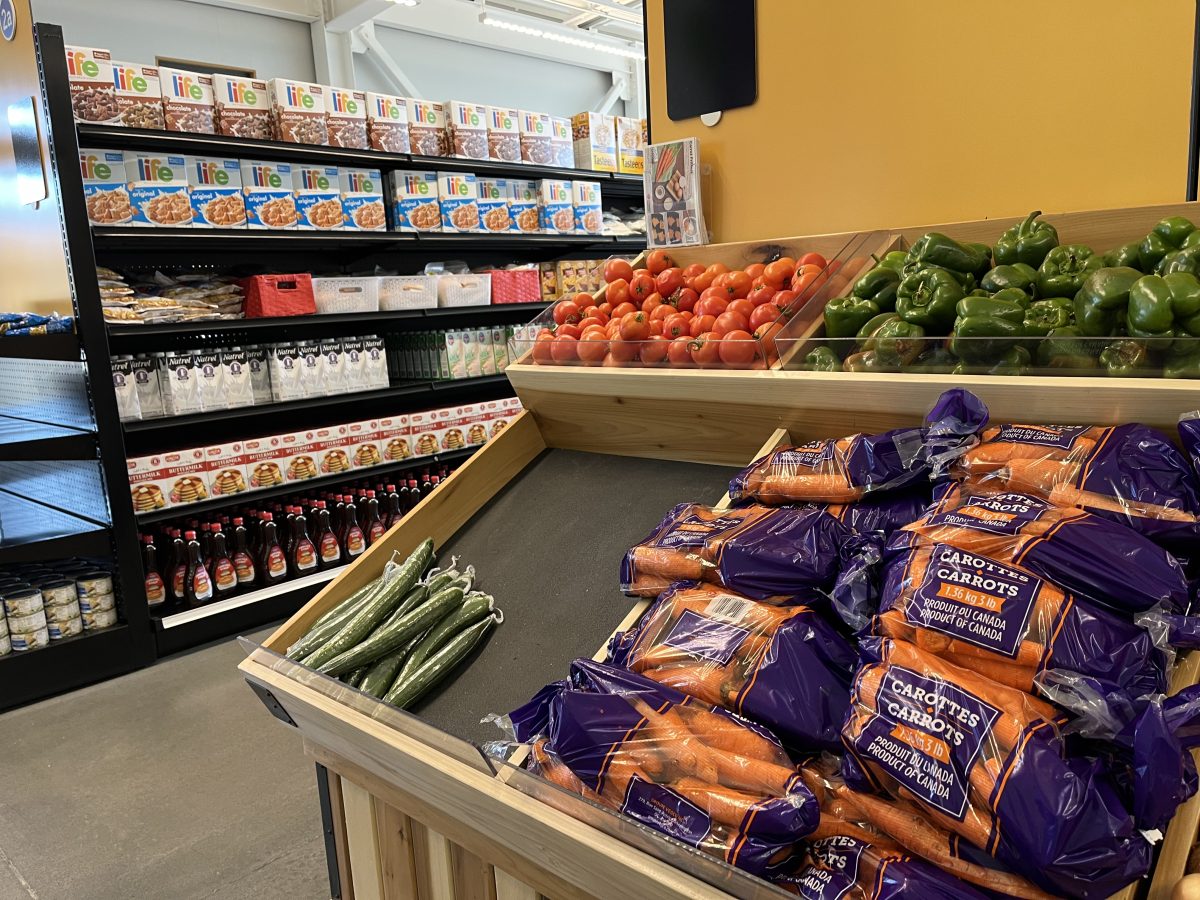
The Greater Pittsburgh Community Food Bank has seen a surge in the number of families in Southwestern Pennsylvania, including Washington, Greene and Fayette counties, who are turning to the food bank to provide food for their families.
Not everybody can hit more than 700 home runs and end up in the National Baseball Hall of Fame like Hank Aaron, or make music as enduringly great as the Beatles and land in the Rock and Roll Hall of Fame, but some residents of Washington, Greene and Fayette counties have found themselves in the Pennsylvania Voter Hall of Fame for diligently casting ballots. In order to make it into the Pennsylvania Voter Hall of Fame, this year’s inductees would have had to have voted in at least every general election since Richard Nixon’s reelection triumph over George McGovern in 1972. Nearly 24,000 Pennsylvanians have been inducted since the Hall of Fame was created 40 years ago, and, as we recently reported, that includes eight residents of Washington County, eight Fayette County residents and 72 residents of Greene County. Melanie Ostrander, Washington County’s director of elections and voter registration pointed out, “That’s a big deal that we have voters who, for 50 years, have voted in elections. They take their civic duty very seriously and realize the importance of voting.”
Chemicals like perfluorooctanoic acid and perfluorooctane sulfonic acid are hard to spell and tough to pronounce, but they are everywhere. Known as PFAS, they are used to make everything from cookware to dental floss to stain-resistant carpets and foam used in firefighting. But the chemicals can seep into rainwater and end up in drinking water. They are not harmless – they are linked to some cancers, birth defects, immune deficiencies and other health problems. Fortunately, Pennsylvania’s Environmental Quality Board recently voted for a new rule that would limit the amount of PFAS chemicals in our drinking water. The change is now under consideration by the state’s Independent Regulatory Review Commission. It must be stated that our drinking water is among the safest and cleanest on the planet, but anything that can be done to make it even safer and cleaner should be welcome.
The recent passage of a bill aimed at protecting those who drive on the Pennsylvania Turnpike should bring drivers a bit of relief. Passed by the state House and state Senate, the bill forces the state’s Turnpike Commission to notify drivers who use an E-ZPass the first time they incur a V-toll in a calendar year. The tolls are fees assessed when an electronic reader doesn’t pick up a vehicle’s E-ZPass, but cameras recognize the license plate as a registered E-ZPass user. That user is charged $10, but because it’s automatically debited from the E-ZPass account, many who were charged didn’t realize it. Last year, more than 200,000 Pennsylvanians were charged the fee (resulting in $2 million in v-tolls), incurred by what is often a poorly placed E-ZPass transponder. This bill, first introduced by Perryopolis Republican Rep. Ryan Warner, is a no-brainer. Tolling costs are already through the roof. Consumers deserve transparency when additional fees are tacked on due to an issue that can be easily corrected.
Inflation has been tough on everyone’s wallet, and it’s been particularly brutal for families who are just barely getting by or living on fixed incomes. That’s why local food banks in Washington, Greene and Fayette counties have been seeing a substantial increase in the number of families seeking assistance. Chris West, who directs community connections for the Greater Pittsburgh Community Food Bank, told the Observer-Reporter’s Karen Mansfield that some seniors are skipping doctor appointments and not refilling prescriptions so they can afford food. Younger families are being hammered by high housing costs and child care expenses, which is limiting their food budget. The Greater Pittsburgh Food Bank reports it has seen a 33% increase in the amount of food distributed in the 12 months between September 2021 and September of this year. At the same time, donations to food banks have decreased as food prices have gone up. During the depths of the COVID-19 pandemic, the federal government increased donations to food banks, but that has leveled off as the pandemic has receded. It needs to increase again.