

Hits and Misses

Katherine Mansfield/Observer-Reporter
Magisterial District Judge John Bruner helps Eli Benzenhoefer into Bruner’s own robe Sept. 16, after presenting Classrooms Versus Courtrooms to Karen Huff’s fifth-grade class at Trinity South.
Celeste Van Kirk/Observer-Reporter
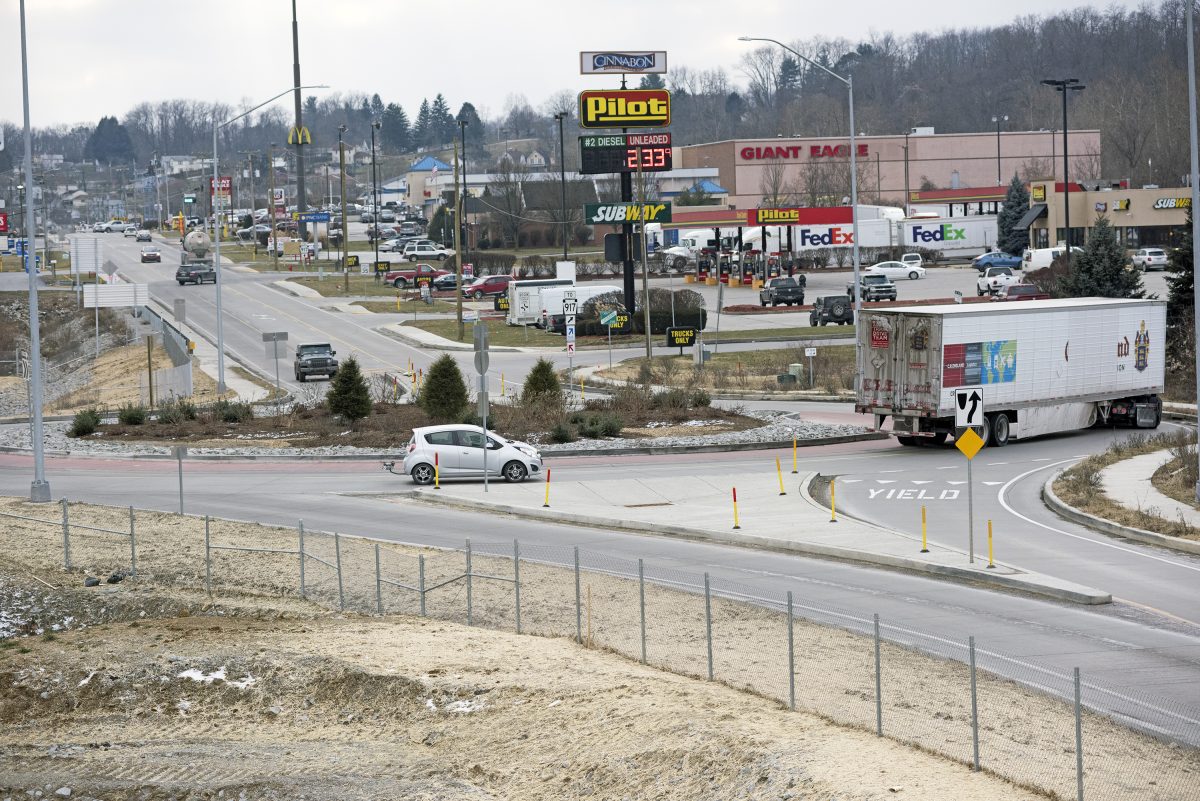
Vehicles travel through the roundabout in Bentleyville in this file photo from 2019.
Alyssa Choiniere/For the Observer-Reporter
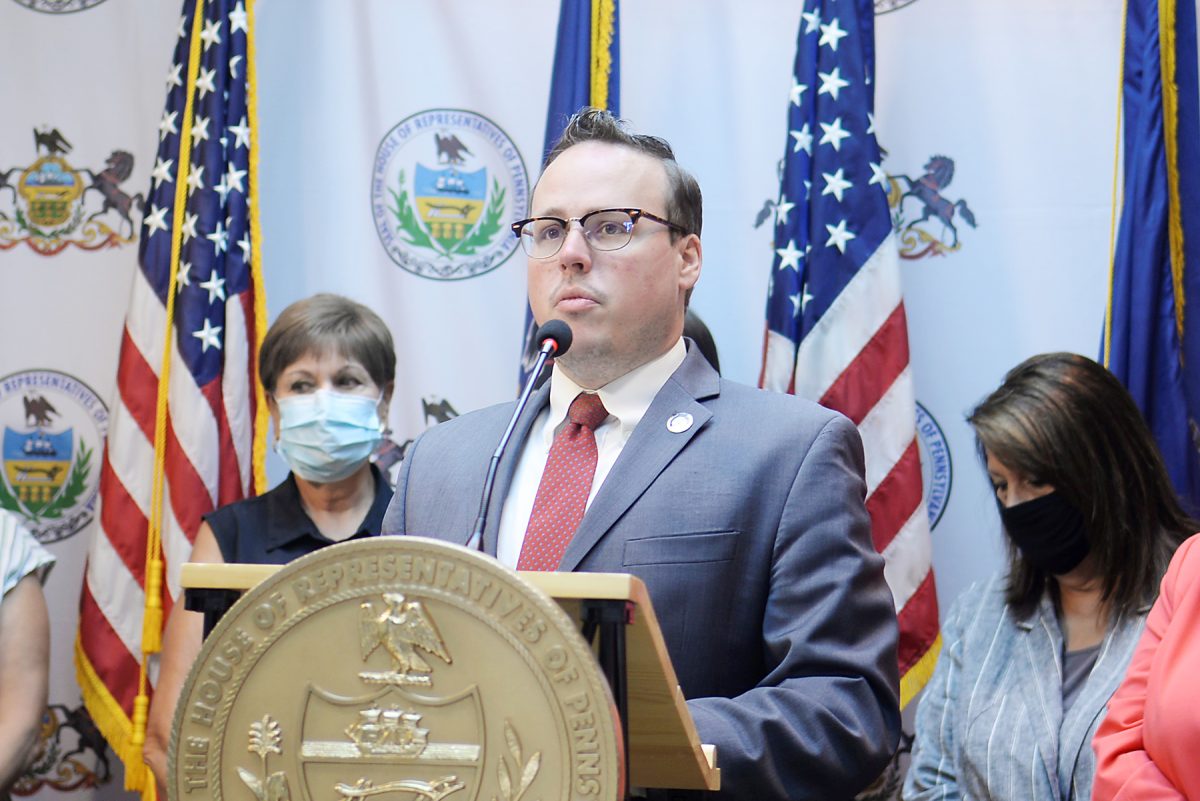
State Rep. Matt Dowling in a file photo from 2020
During an interview with Scott Pelley on “60 Minutes” last Sunday, President Biden declared the COVID-19 pandemic is over. Indeed, it does seem that the larger public has decided not to fret too much about it anymore – masks are few and far between even in crowded public places, and those who have been vaccinated and boosted can feel some sense of comfort that contracting COVID-19 will likely not kill them or put them in the hospital. Nevertheless, the pandemic isn’t over. The average count of new cases in the United States is about 60,000 per day, enough to fill a stadium. There are also 400 people still dying each day from COVID-19. As The Washington Post reported earlier this week, the president’s seemingly off-the-cuff remark could end up complicating efforts to nudge more Americans into getting booster shots, and for the Biden administration to get additional funding to combat the coronavirus.
When roundabouts were introduced on some roads in the region in the 2010s, some drivers felt apprehensive as they approached them. Though common in European countries, roundabouts have largely been absent from American roads. But it only takes a couple of trips through a roundabout to feel more comfortable with them, and according to data released this week by the Pennsylvania Department of Transportation (PennDOT), roundabouts have reduced crashes, fatalities and injuries at 33 locations that were replaced by 36 roundabouts. Three of the sites PennDOT examined are in Washington County. From 2002 to 2021, according to PennDOT, serious injuries were reduced by 76%, and minor injuries were reduced by 22%. PennDOT Secretary Yassmin Gramian said, “We continue to see that Pennsylvania’s roundabouts save lives and reduce crash severity. While they aren’t the right option in every intersection, we’re pleased that they help make our roadways safer.”
Magisterial District Judge John Bruner is bringing a program to local classrooms that he hopes will prevent students from committing offenses and sitting in his courtroom later on. As detailed in a recent Observer-Reporter story, Bruner’s presentation teaches students the basics about the Declaration of Independence, the Bill of Rights and the Constitution, and also explains how the judiciary works. A former police officer, Bruner also tells students that their lives will ultimately be governed by the choices they make. “Choices define who you are,” he says. In the two years since the 2020 presidential election and its aftermath, there have been growing calls to improve civics education, and programs like Bruner’s can certainly help in this effort. And, who knows, some students could take Bruner’s message to heart and avoid an appearance in front of him when they get a little older.
State Rep. Matthew Dowling of Uniontown brought embarrassment upon himself and quite possibly brought his political career to a conclusion in June when he was in a drunken driving accident. When Dowling rear-ended another vehicle in Fayette County’s South Union Township, his blood-alcohol level was more than three times the legal limit. Since the accident, Dowling has acknowledged his problem and sought help. He also ended his reelection bid. Before leaving the Legislature, Dowling has put forward an interesting proposal that would allow individuals who have a drinking problem to put themselves on a voluntary self-exclusion list. Basically, it would prevent them from purchasing alcoholic beverages, and be just like the Pennsylvania Gaming Control Board’s self-exclusion list for problem gamblers. Dowling explained, “Simply passing a liquor store can be a trigger for an individual. Not for every person who suffers from alcoholism, but for a lot of them, just being able to go in becomes a trigger. This may be able to help some of them ward off those urges.”