

Schools are snatching up transfers in college hoops. That means fewer freshmen on D-I rosters, too
Ben McKeown – freelancer, ASSOCIATED PRESS
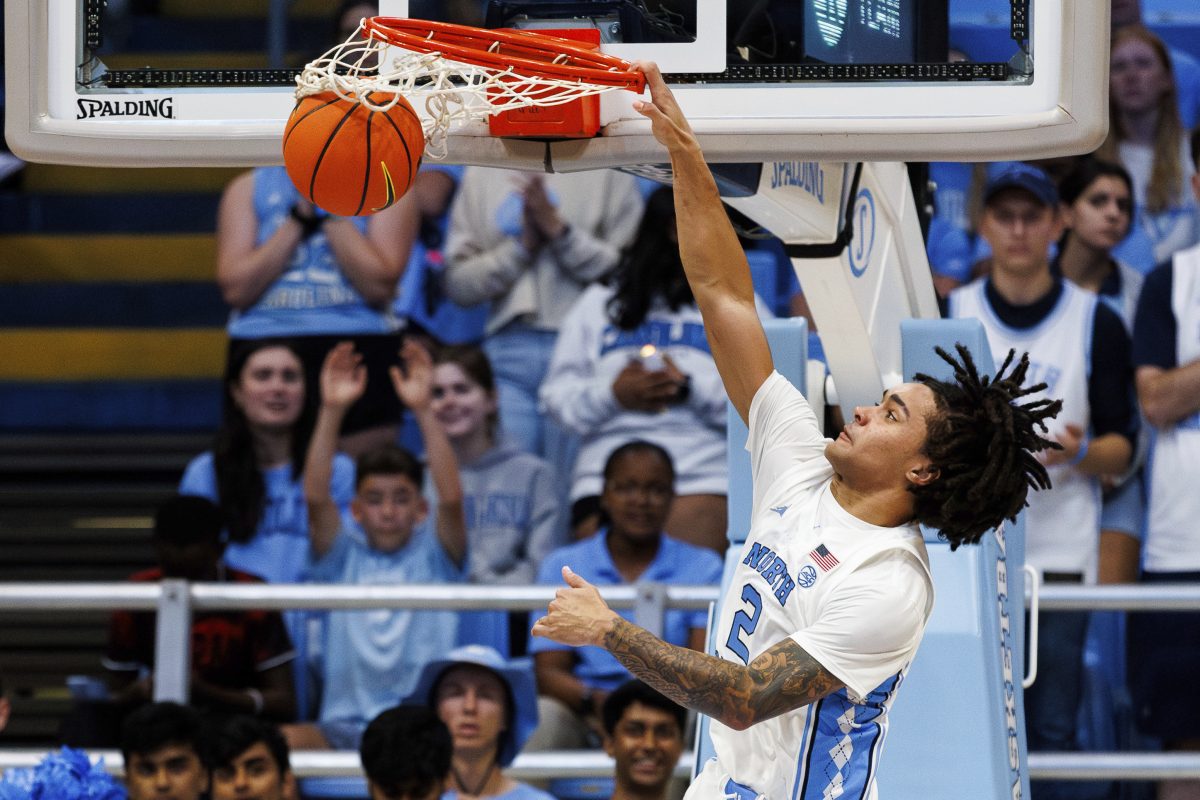
North Carolina’s Elliot Cadeau dunks during the second half of an NCAA college basketball exhibition game against Saint Augustine’s in Chapel Hill, N.C., Friday, Oct. 27, 2023.
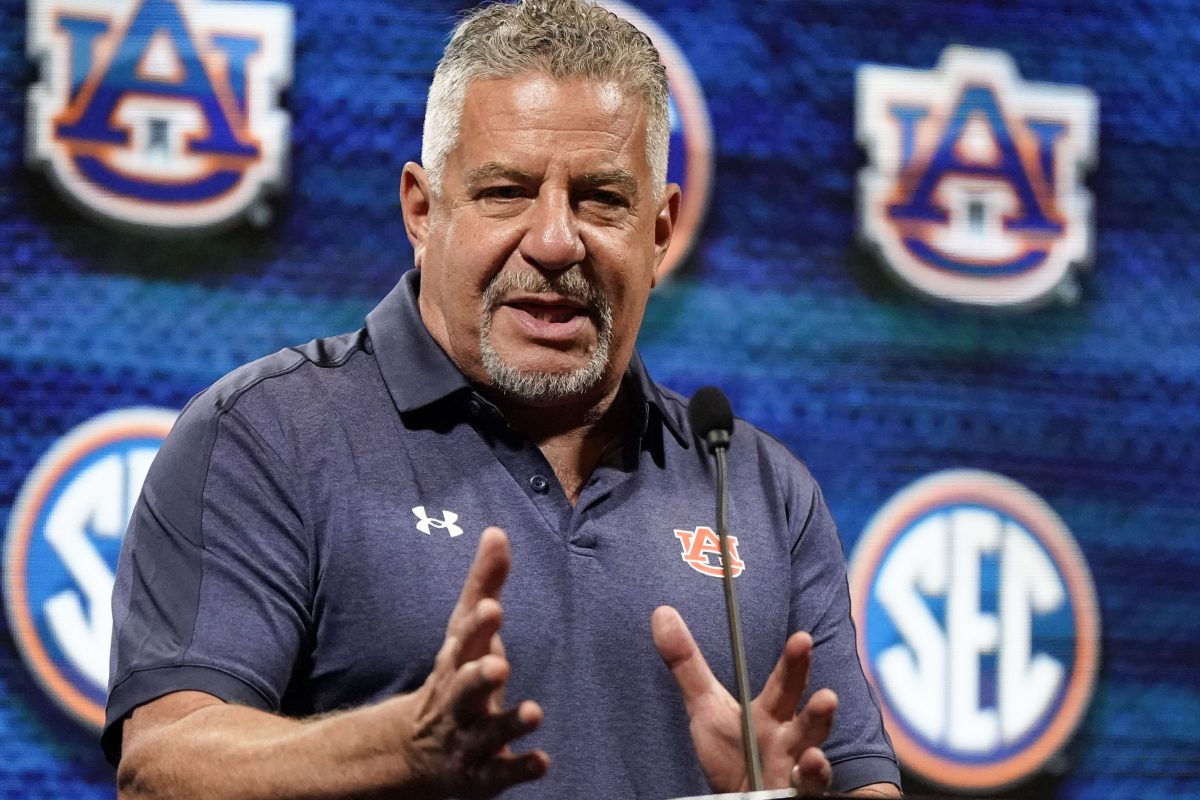
Auburn NCAA college basketball head coach Bruce Pearl speaks during Southeastern Conference Media Days, Wednesday, Oct. 18, 2023, in Birmingham, Ala.
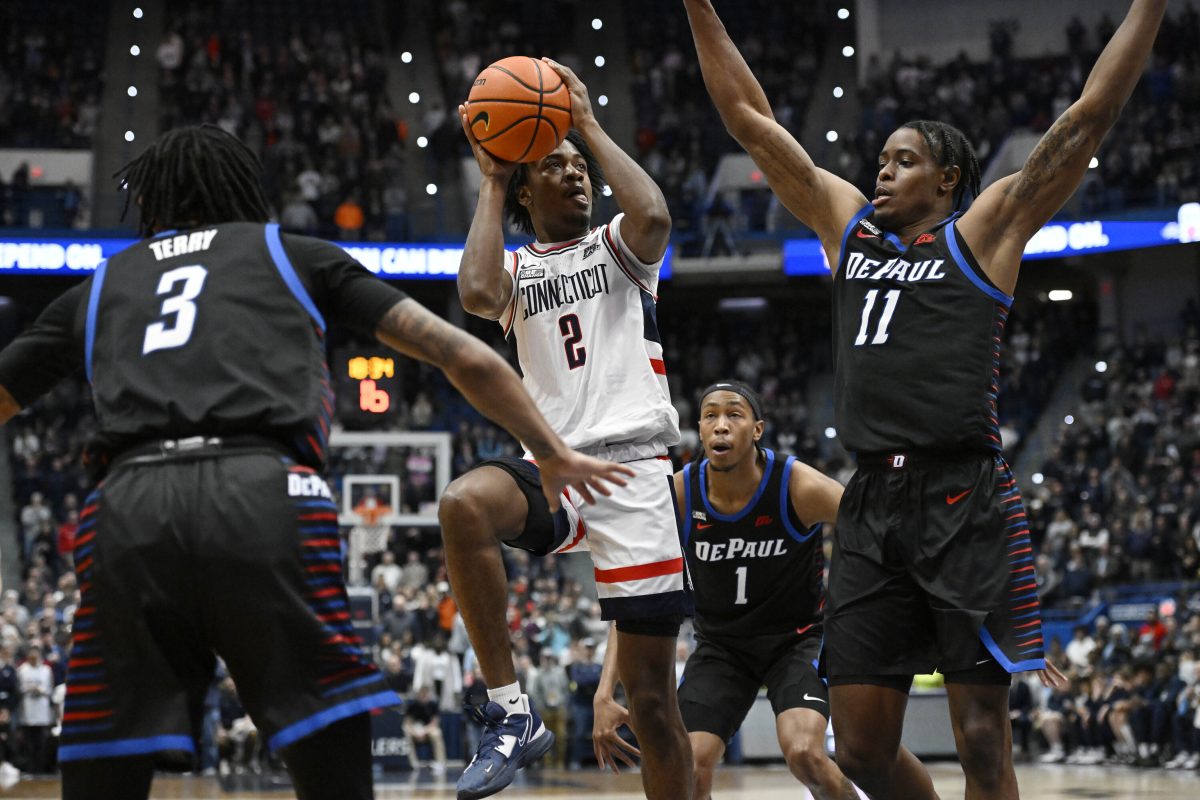
FILE - UConn's Tristen Newton (2) shoots as DePaul's Jalen Terry (3) and Eral Penn (11) defend in the first half of an NCAA college basketball game, Wednesday, March 1, 2023, in Hartford, Conn. While Adama Sanogo, Jordan Hawkins and Andre Jackson are gone, the Huskies return a solid core built around 7-foot-2 sophomore Donovan Clingan and returning starters Alex Karaban and Tristen Newton.
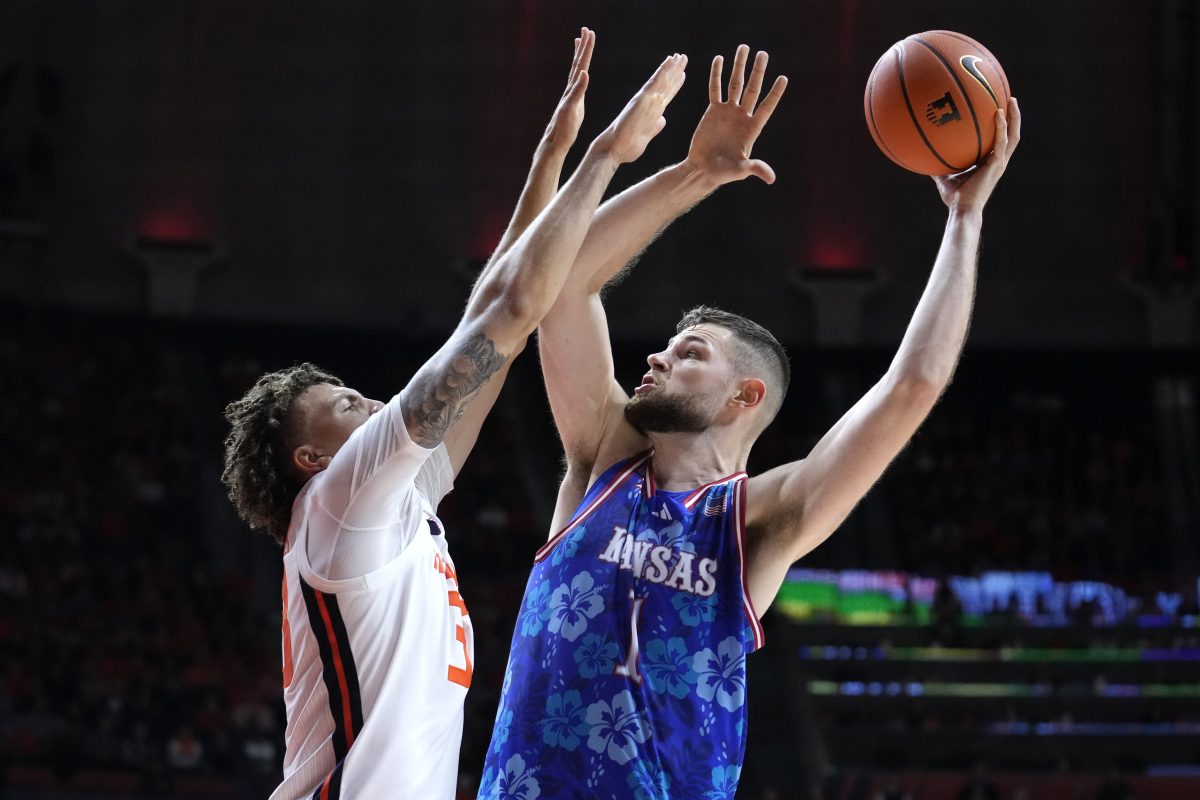
Kansas center Hunter Dickinson shoots over Illinois forward Coleman Hawkins during the second half of the NCAA college basketball exhibition game Sunday, Oct. 29, 2023, in Champaign, Ill. Illinois won 82-75.
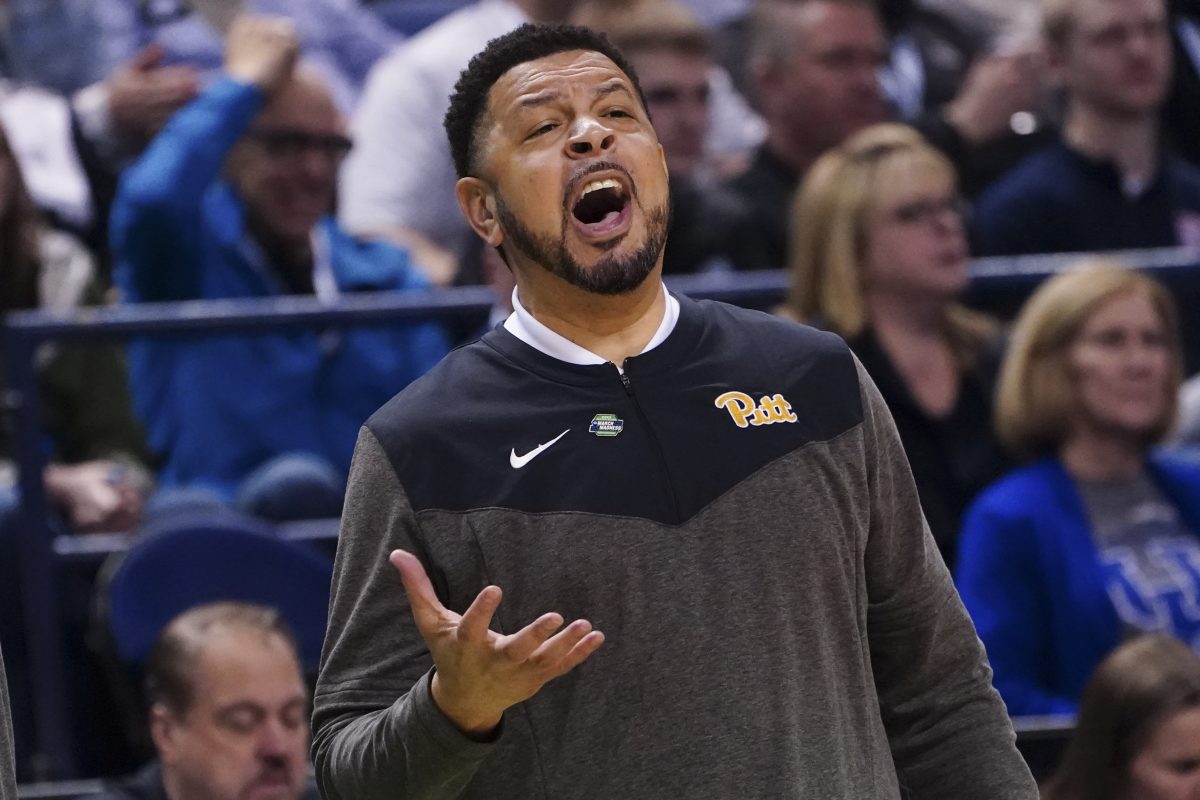
FILE - Pittsburgh head coach Jeff Capel directs his players on the court during the first half of a second-round college basketball game against Xavier in the NCAA Tournament on Sunday, March 19, 2023, in Greensboro, N.C. His sixth season brings something new: expectations. Reaching the NCAA tournament and winning a couple of games there for the first time in nearly a decade will do that.
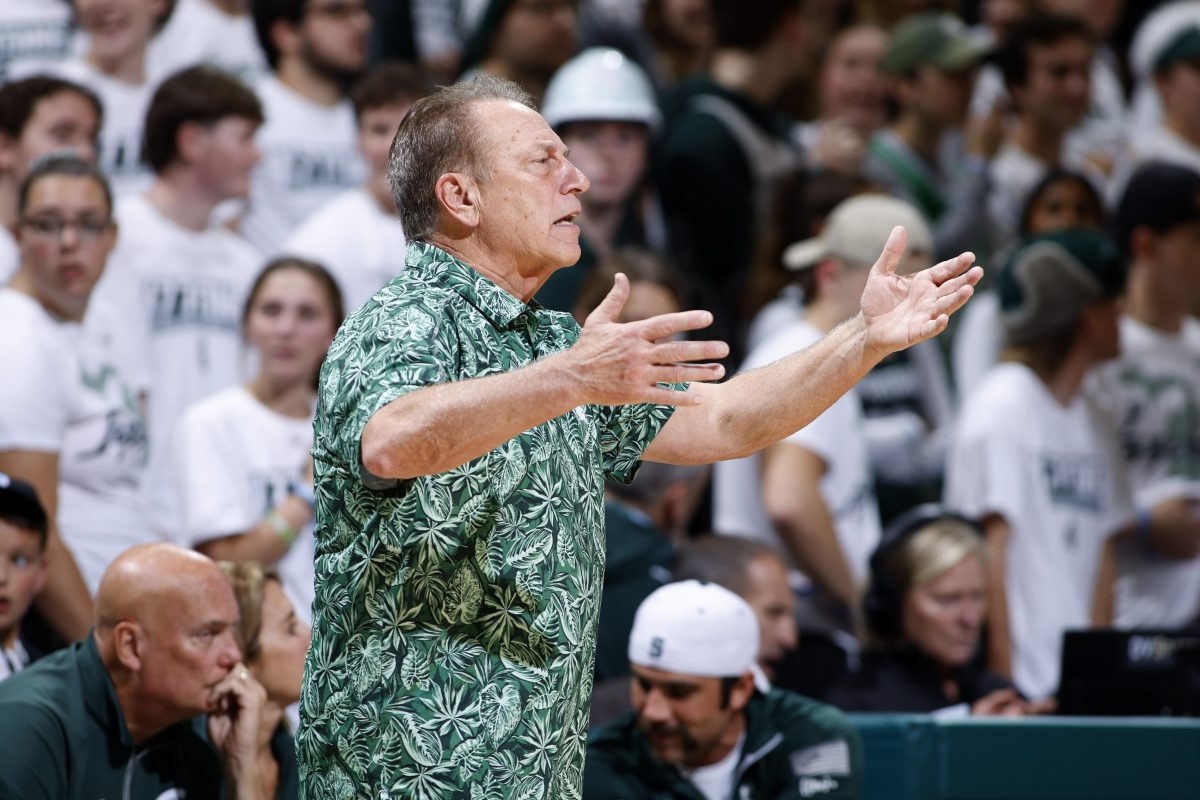
Michigan State coach Tom Izzo reacts during the second half of an NCAA college basketball exhibition game against Tennessee, Sunday, Oct. 29, 2023, in East Lansing, Mich.
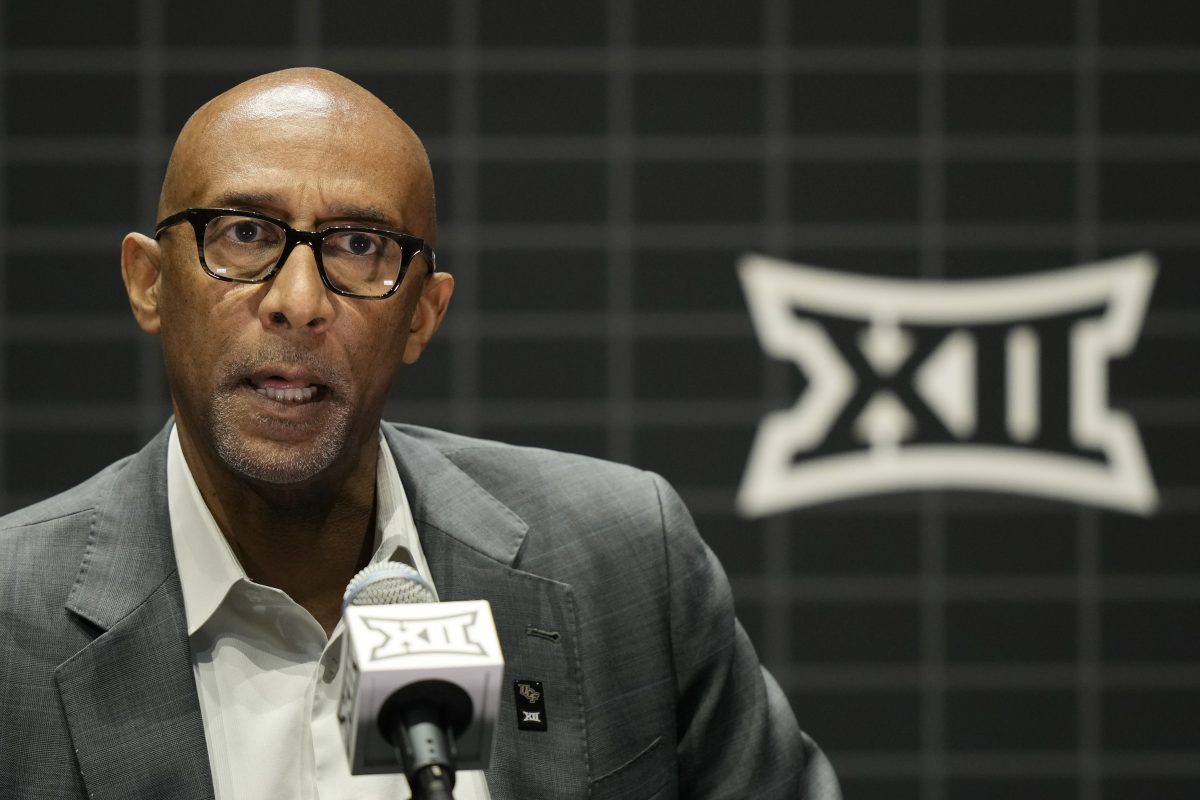
UCF coach Johnny Dawkins addresses the media during the NCAA college Big 12 men's basketball media day Wednesday, Oct. 18, 2023, in Kansas City, Mo.
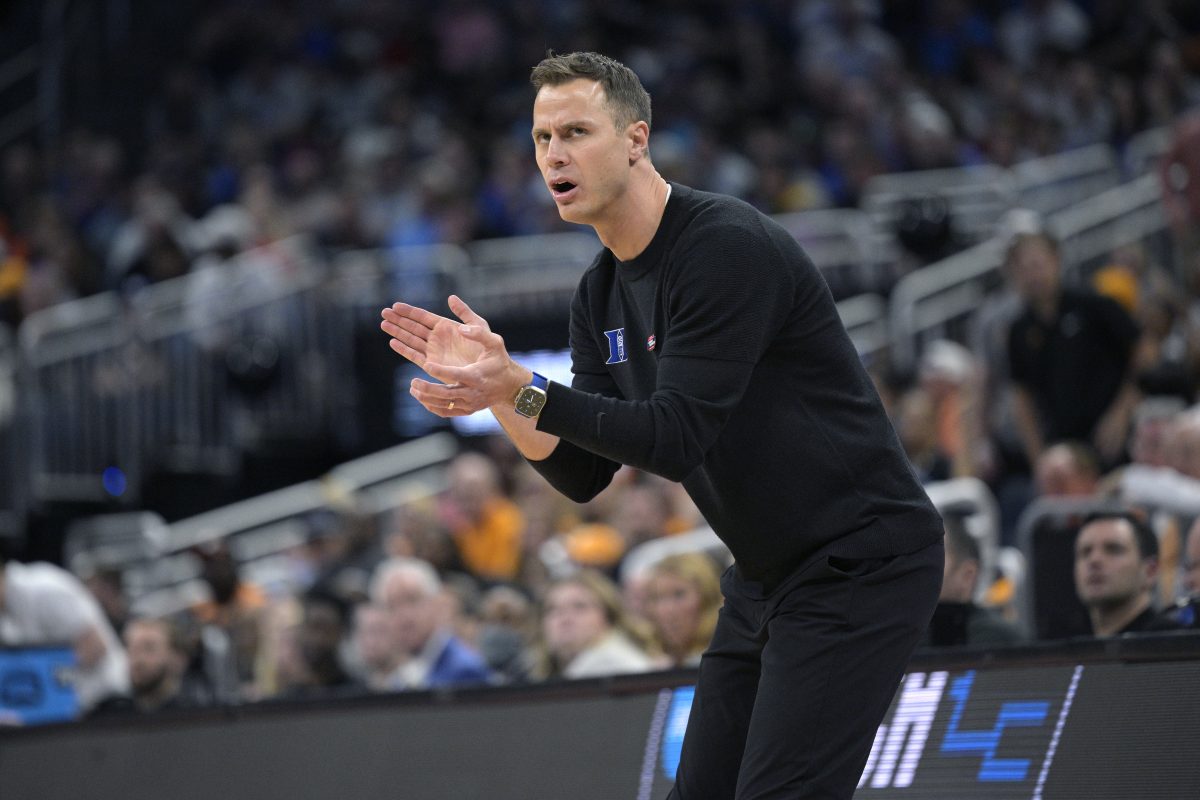
FILE - Duke head coach Jon Scheyer reacts during the first half of a second-round college basketball game against Tennessee in the NCAA Tournament, March 18, 2023, in Orlando, Fla. The Duke Blue Devils are ranked No. 2 in the preseason AP Top 25.
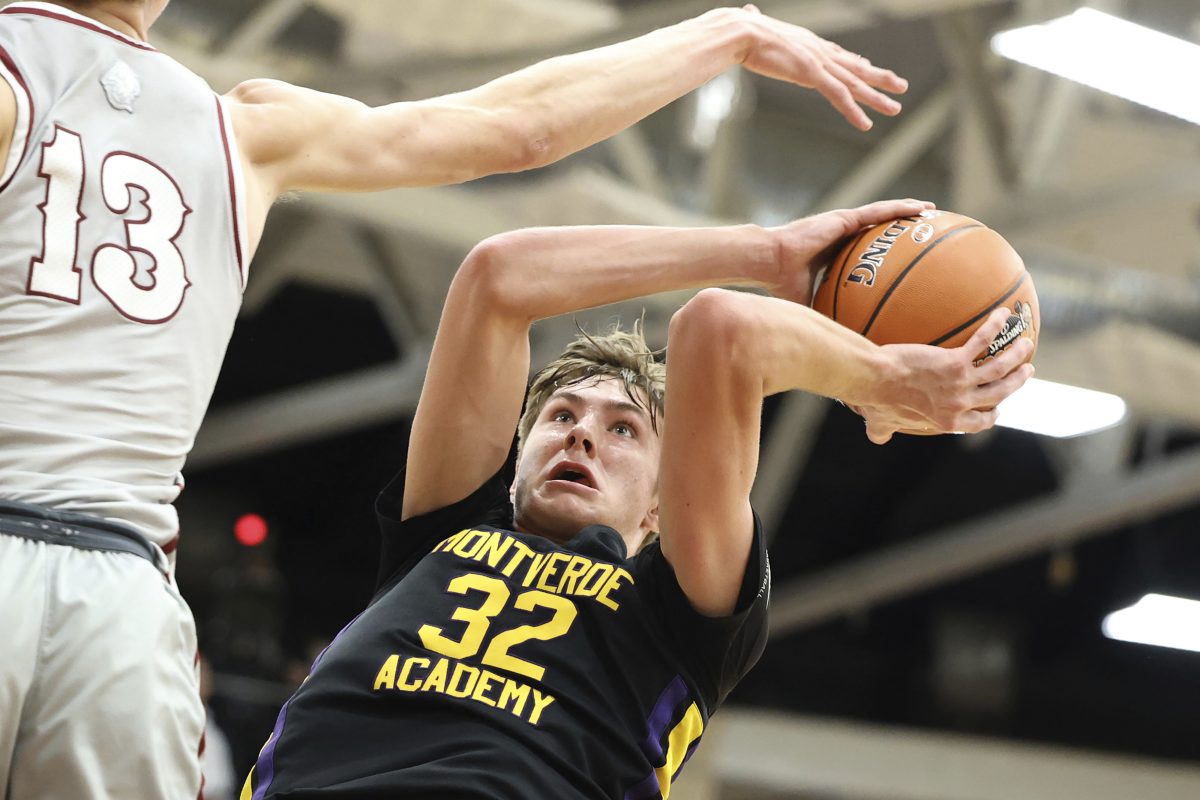
FILE - Monteverde's Cooper Flagg plays against Sunrise Christian during a high school basketball game at the Hoophall Classic, Monday, Jan. 16, 2023, in Springfield, Mass. Cooper Flagg, the nation’s consensus top player in the 2024 recruiting class, announced Monday, Oct. 30, that he will play his college basketball at Duke.
CHAPEL HILL, N.C. – Elliot Cadeau graduated early from high school to jump into college at No. 19 North Carolina. The five-star point guard is the latest addition to a blueblood program that has long snagged top-flight recruits.
He’s also on a team stocked with new transfers, part of a freshman class that has shrunk dramatically amid college basketball’s free-agency rush through the transfer portal.
Teams have changed recruiting approaches to favor talent and experience initially developed elsewhere to fill holes. Some have won big. But that has also meant freshmen facing more competition for roster spots against older and developed players, including those sticking around with an extra year of eligibility granted by the NCAA during the pandemic.
“I definitely think so, especially now that there’s more people in the transfer portal than ever,” Cadeau said. “And coaches would rather get experienced guys than freshmen.”
According to data from the NCAA, the number of incoming freshmen in Division I men’s basketball fell by 18.2% from the 2019-20 pre-pandemic season (1,106) to 2021-22 (905). The latter was the first season after a rule change allowing all undergraduate athletes to transfer once without having to sit out a season.
The decline was more acute in the Power Five leagues – the Atlantic Coast, Big 12, Big Ten, Pac-12 and Southeastern conferences – at 24.5%, from 237 in 2019-20 to 179 in 2021-22 as the most recent available data.
The question is whether it’s anomaly or trend, particularly with the extra year of eligibility cycling out after the 2024-25 season.
“The bottom line is that a 21-year-old has got a lot of advantages both in experience and just ability, size, toughness and so forth,” Auburn coach Bruce Pearl said. “The result now will be rather than me bringing in three or four high school players in each class and maybe a transfer, in reality we bring in one or two high school players and then fill the roster up with transfers.”
Reigning NCAA champion Connecticut struck that balance perfectly last season. The Huskies’ eight-man rotation during their postseason romp to title No. 5 surrounded “homegrown” talents like Final Four Most Outstanding Player Adama Sanogo, Jordan Hawkins and Andre Jackson Jr. with three new transfers and two freshmen.
Then there’s preseason No. 1 Kansas. The Jayhawks added Michigan center Hunter Dickinson, Towson graduate guard Nicolas Timberlake and Santa Clara graduate forward Parker Braun – accounting for 100 college starts – with a three-man freshman class featuring McDonald’s All-American guard Elmarko Jackson.
“I don’t think the transfer thing will decrease even after the COVID year is done just because I think what it gives you is more options,” said Pitt coach Jeff Capel, whose Panthers reached last year’s NCAA Tournament for the first time since 2016 with three transfers among his top four scorers. “It just depends on how you as a coach, as a program, how you feel like you can make your team better.”
Michigan State Hall of Fame coach Tom Izzo is among those worried about unintended consequences, such as high schoolers losing out with transfers gobbling up roster spots.
“It’s like a book – you read the book and then somebody makes a movie of it,” Izzo said. “We’re watching the movie. And for the most part, we had predicted the end of it.”
UCF coach Johnny Dawkins has similar concerns, even while bringing in three freshmen and six transfers for the program’s first season in the Big 12.
“I think you have to have freshmen in your program, I don’t want them to get lost in college basketball,” Dawkins said. “We’re going to make sure we have freshmen in our program. You might have a kid, he’ll be a first-generation college student.
“It’s great for your locker room as well. When you have that mixture of young and old, you have a better locker room, and guys understand the progression of what you need to be a great player.”