

Notice: Undefined variable: paywall_console_msg in /usr/web/cs-washington.ogdennews.com/wp-content/themes/News_Core_2023_WashCluster/includes/single/single_post_meta_query.php on line 71
Notice: Undefined offset: 0 in /usr/web/cs-washington.ogdennews.com/wp-content/themes/News_Core_2023_WashCluster/single.php on line 18
Notice: Trying to get property 'cat_ID' of non-object in /usr/web/cs-washington.ogdennews.com/wp-content/themes/News_Core_2023_WashCluster/single.php on line 18
Ceregi, the eastern European dough-knot
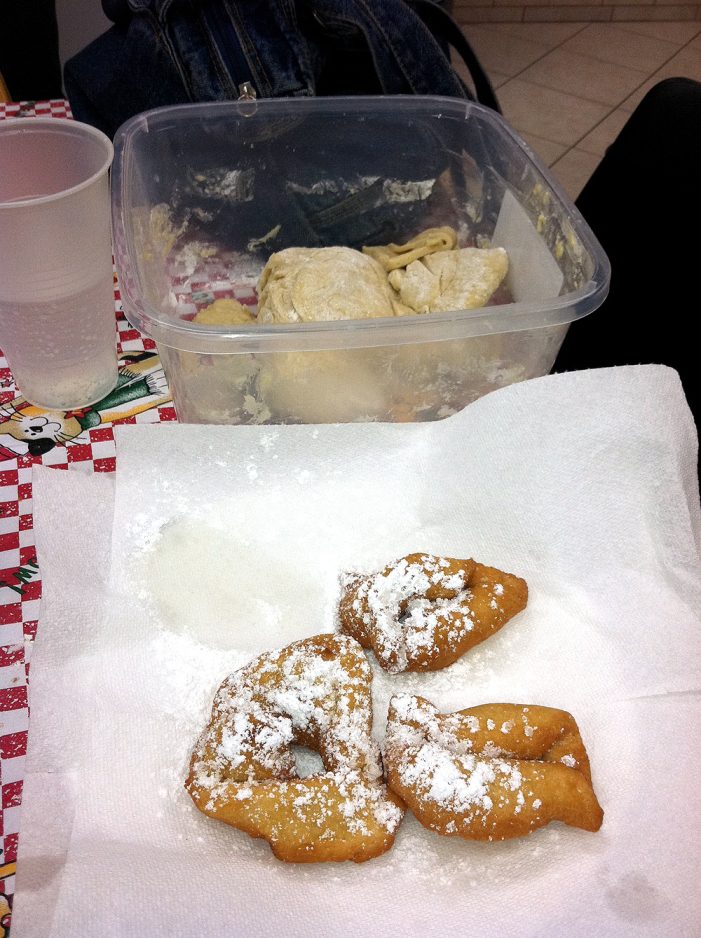
Ceregi dough and finished “dough knot.”
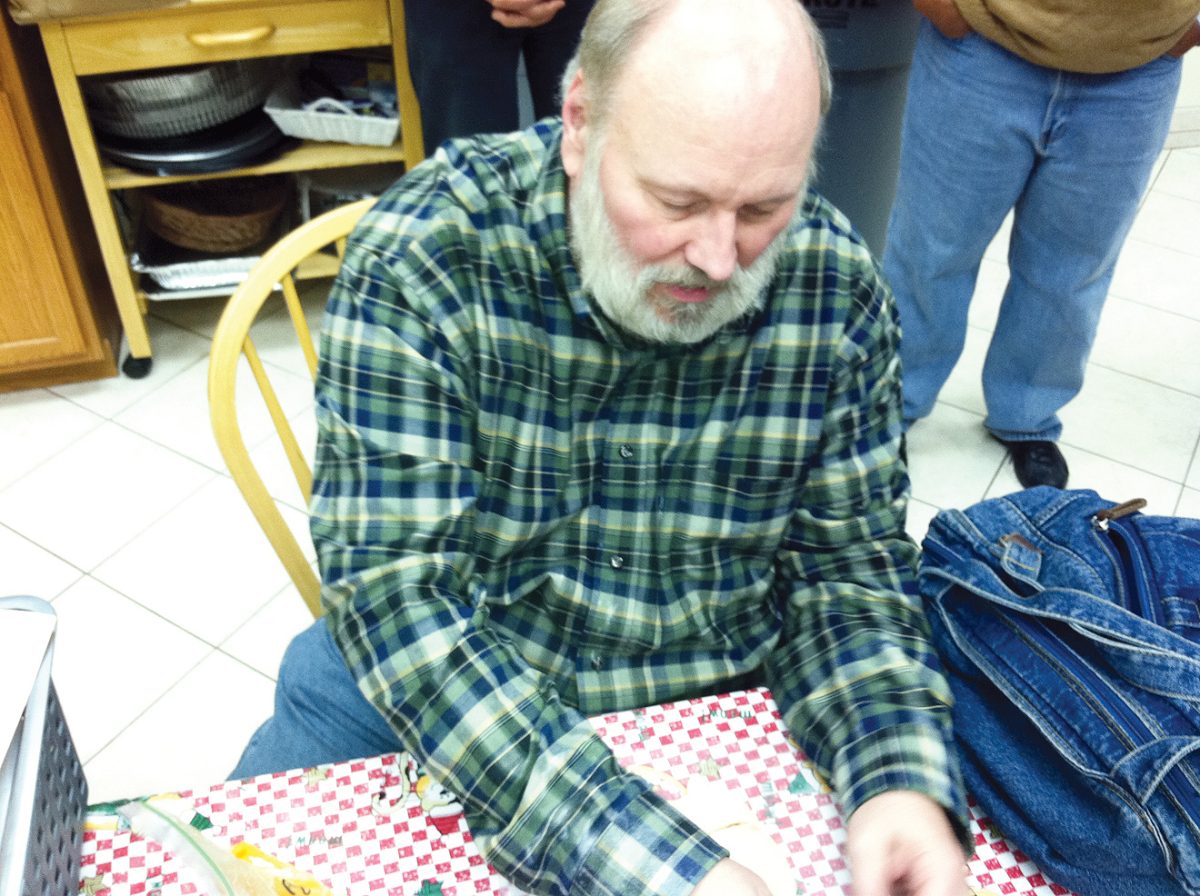
Larry Kozlowski of Pittsburgh, ceregi chef at National Slovak Society in Peters Township.
Notice: Undefined offset: 0 in /usr/web/cs-washington.ogdennews.com/wp-content/themes/News_Core_2023_WashCluster/includes/single/strategically_placed_photos_article.php on line 412
Notice: Trying to get property 'term_id' of non-object in /usr/web/cs-washington.ogdennews.com/wp-content/themes/News_Core_2023_WashCluster/includes/single/strategically_placed_photos_article.php on line 412
Being half-Slovak, in my case, wasn’t enough to have heard of ceregi, a doughnut-like twist that is a treat before the arrival of Lenten fasting. But getting together at the National Slovak Society in Peters Township for a program at the end of February was a yummy way to spend a Saturday afternoon.
My cookbook, circa 1965, hadn’t heard of it either, but then, this volume has no recipe for nut rolls. (Can Slovaks gather anywhere in the world for Christmas without slicing this sweet confection?)
Instructor in all things Slovakian Larry Kozlowski of Pittsburgh said ceregi seem to be more of a result of the American melting pot. Ukrainians, Poles and Germans make versions and the name, ceregi, may actually be Hungarian.
I didn’t even know how to say the name of this treat. First things first – it’s pronounced “chair-EGG-ee.”
The flour and powdered sugar were flying thick and fast when the rolled dough landed in and was spooned out of not one but two electric fryers.
Some recipes for contain yeast; Larry Kozlowski’s didn’t. He also produced a Scandinavian tool, a Fattigmann roller, to aid in the cutting of four ceregi at a time. The cutter produces a slit through which to bring two ends of the parallelogram, and using it means no sliced fingers while wielding both slippery dough and knife. (Been there, done that. Ouch!)
Speaking of knives, Kozlowski made short work of three circles of dough into which he cut petals, fried and adorned with a centrally-placed dollop of raspberry jam and powdered sugar: Voila, a “carnival rose.”