

Notice: Undefined variable: paywall_console_msg in /usr/web/cs-washington.ogdennews.com/wp-content/themes/News_Core_2023_WashCluster/includes/single/single_post_meta_query.php on line 71
Notice: Undefined offset: 0 in /usr/web/cs-washington.ogdennews.com/wp-content/themes/News_Core_2023_WashCluster/single.php on line 18
Notice: Trying to get property 'cat_ID' of non-object in /usr/web/cs-washington.ogdennews.com/wp-content/themes/News_Core_2023_WashCluster/single.php on line 18
Mission Wellness
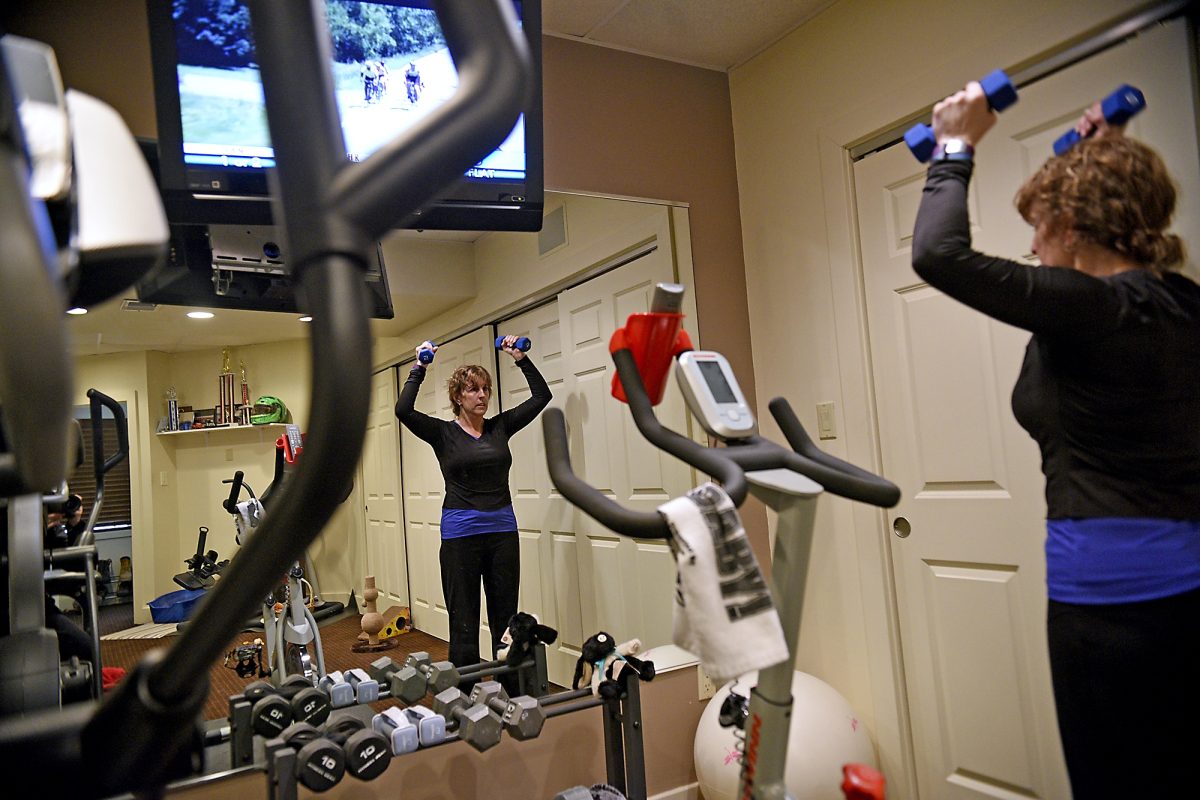
Part of Candice Margo daily routine is working out. Staying fit help her to perform her job as a EMS professional.
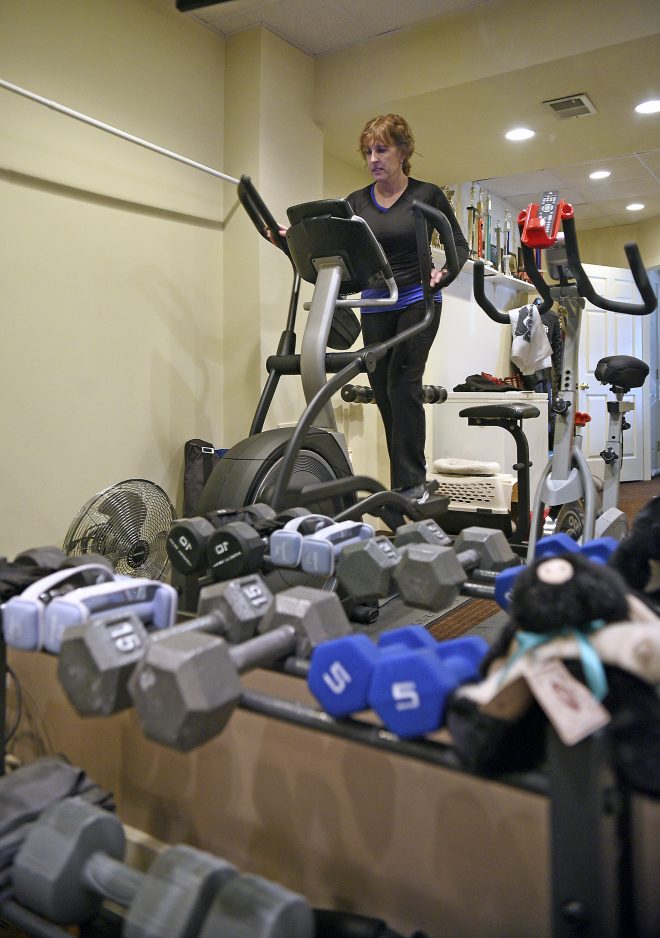
Candice Margo does a variety of exercises daily routine is working out. Staying fit help her to perform her job as a EMS professional.
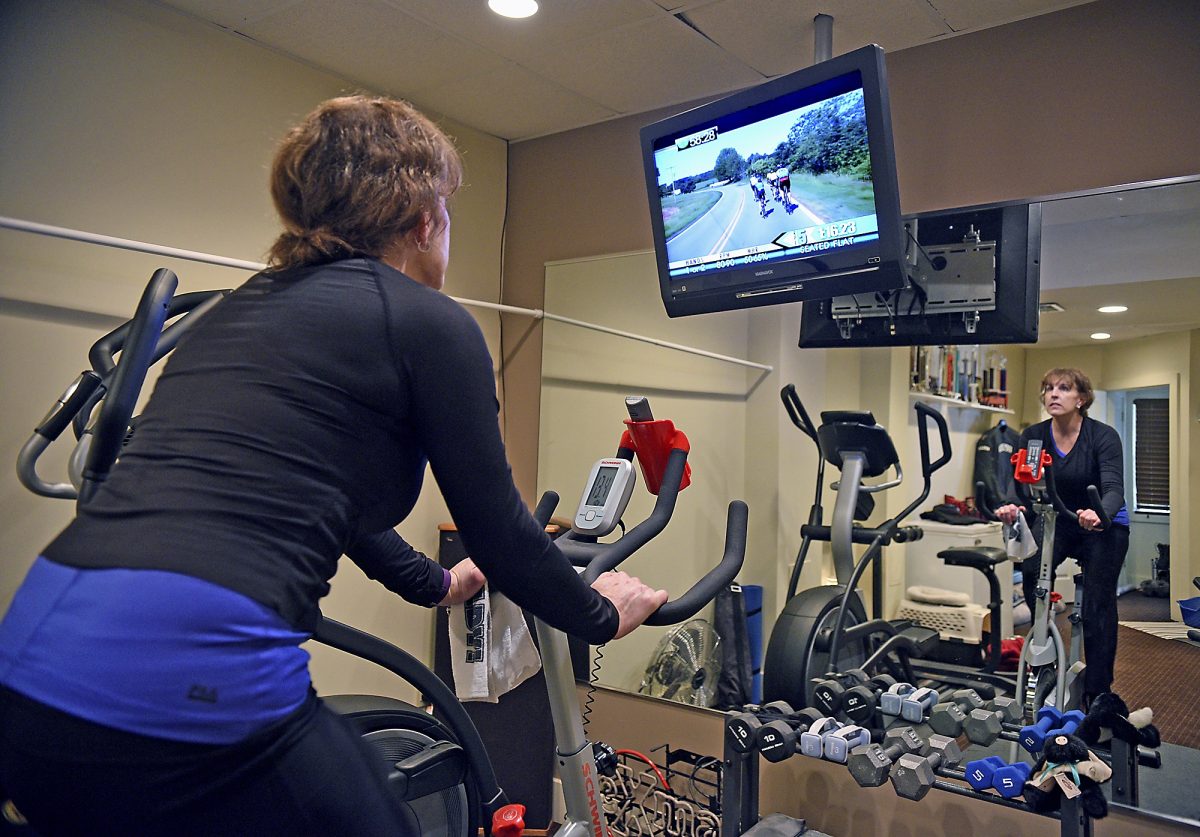
Candice Margo does a variety of exercises daily routine is working out. Staying fit help her to perform her job as a EMS professional.
Notice: Undefined offset: 0 in /usr/web/cs-washington.ogdennews.com/wp-content/themes/News_Core_2023_WashCluster/includes/single/strategically_placed_photos_article.php on line 412
Notice: Trying to get property 'term_id' of non-object in /usr/web/cs-washington.ogdennews.com/wp-content/themes/News_Core_2023_WashCluster/includes/single/strategically_placed_photos_article.php on line 412
Imagine a profession that requires jumping into action at a moment’s notice to save someone else’s life. That’s what Emergency Medical Service workers do every day. However, the stress of the job and long work shifts can take a toll on their own health. Obesity is an increasing problem among EMS providers, with one study finding 75 percent of new EMS recruits were either overweight or obese and often struggling with high blood pressure and high cholesterol levels. A local sample of EMS providers in Southwestern Pennsylvania in 2015 found that 44 percent were pre-hypertensive, 38 percent were pre-diabetic and 45 percent had high or very high-risk triglyceride levels.
Kate Lambert Jones, a Prehospital Care Coordinator with Allegheny Health Network, was not surprised by those numbers. “Health and wellness of the EMS provider has been a passion of mine for the past 10 years,” she says. “It is pretty apparent just from observation that we have an issue in our profession. EMS providers spend their careers caring for others. They work long shifts, odd hours with exposure at times to very high stress environments.”
Through a grant from the Highmark Foundation, AHN developed an initiative called Mission Wellness to help EMS workers take control of their health. “My colleagues and I realize the wellness of the EMS provider is essential,” says Jones, who manages the Mission Wellness initiative. “We wanted to give providers the opportunity to participate in a program that would provide them with the tools and education to focus on caring for themselves.”
Dr. J. Travis Wilson, Director of Cardiovascular Medicine at Canonsburg Hospital, says the medical profession has come to recognize psychological and emotional stress as a source for physical health deterioration. Wilson says, “Acute stressors, such as the situations emergency personnel frequently find themselves in, can lead to adverse health consequences if these men and women do not work to adapt an overall healthy lifestyle – as is encouraged for all people.”
Maintaining a healthy weight and blood pressure is also crucial for good heart health. “Obesity is a national epidemic that is affecting more Americans each year,” Wilson says. “Obesity has been identified as a risk factor for several chronic health conditions, including diabetes, peripheral artery disease and coronary artery disease. A healthy diet and regular exercise will promote heart health and help those individuals to better cope with potential occupational stress leading to better mental and physical health.”
The Mission Wellness program kicked off last spring with nearly 350 EMS workers enrolling. It uses nutrition education, activity tracking and health coaching in an effort to transform EMS culture. Those who signed up completed a wellness checkup including a lipid profile, blood pressure, waist circumference and body mass index. Candice Myrgo, 54, of Peters Township, was one of them. She’s worked as a life flight nurse based in Canonsburg for the past 12 years. She has always been very active, but noticed a change in her work schedule affected her energy level.
“We used to work two 24-hour shifts per week, which gave me more days off and time to exercise,” says Myrgo. “They changed our work shift to 12 hours and we’re working three or four days a week. I found myself slacking off on the workouts because I was tired all the time until I got adjusted. That’s why I got into it – because I saw myself not being as active as I wanted to be or as I used to be.”
After the initial measurements, participants started tracking activity on Fitbits and are able to access diet, nutrition, stress management and lifestyle education online. Support is part of the program with weekly coaching sessions. “We had to join a group and cheer each other on – try to get people to do 5K races and just trying to get a group of people to do things,” says Myrgo. “They have a website with healthy menus and recipes and tips on how to increase your steps every day, along with different exercises.”
So far, the results have been positive, with numbers showing decreases in BMI, blood pressure, cholesterol and weight. The program is currently funded through April, but Jones says she hopes it continues after that. “My hope is that we can further develop the educational component and expand our reach in the future,” she says. “It truly is a program that would be beneficial to all public safety providers.”
Myrgo says it has worked for her. “I’m pretty active anyway, so my goal for joining this was to see how much activity I was really doing or not doing,” she explains. “It wasn’t really to lose weight because I’m at a pretty healthy weight. But it shows me that some days when we’re busy, I have a lot of steps, but other days I may only have five or six thousand steps. So, it reminds me that I should get up and move. For me, it was to see what more can I do for myself to keep me active.”
She’s found support in groups her coworkers formed to suggest activities like a group walk or exercise class, and she’s started eating healthier by cutting back on fat and red meat. Her weight and blood pressure were already at good levels, but she has noticed a drop in another number. “My cholesterol was starting to creep up and I have noticed a change in that. It’s only been about 20 points or so, but still, that’s a good change.”