

Notice: Undefined variable: paywall_console_msg in /usr/web/cs-washington.ogdennews.com/wp-content/themes/News_Core_2023_WashCluster/includes/single/single_post_meta_query.php on line 71
Notice: Undefined offset: 0 in /usr/web/cs-washington.ogdennews.com/wp-content/themes/News_Core_2023_WashCluster/single.php on line 18
Notice: Trying to get property 'cat_ID' of non-object in /usr/web/cs-washington.ogdennews.com/wp-content/themes/News_Core_2023_WashCluster/single.php on line 18
Evolution of lunch box
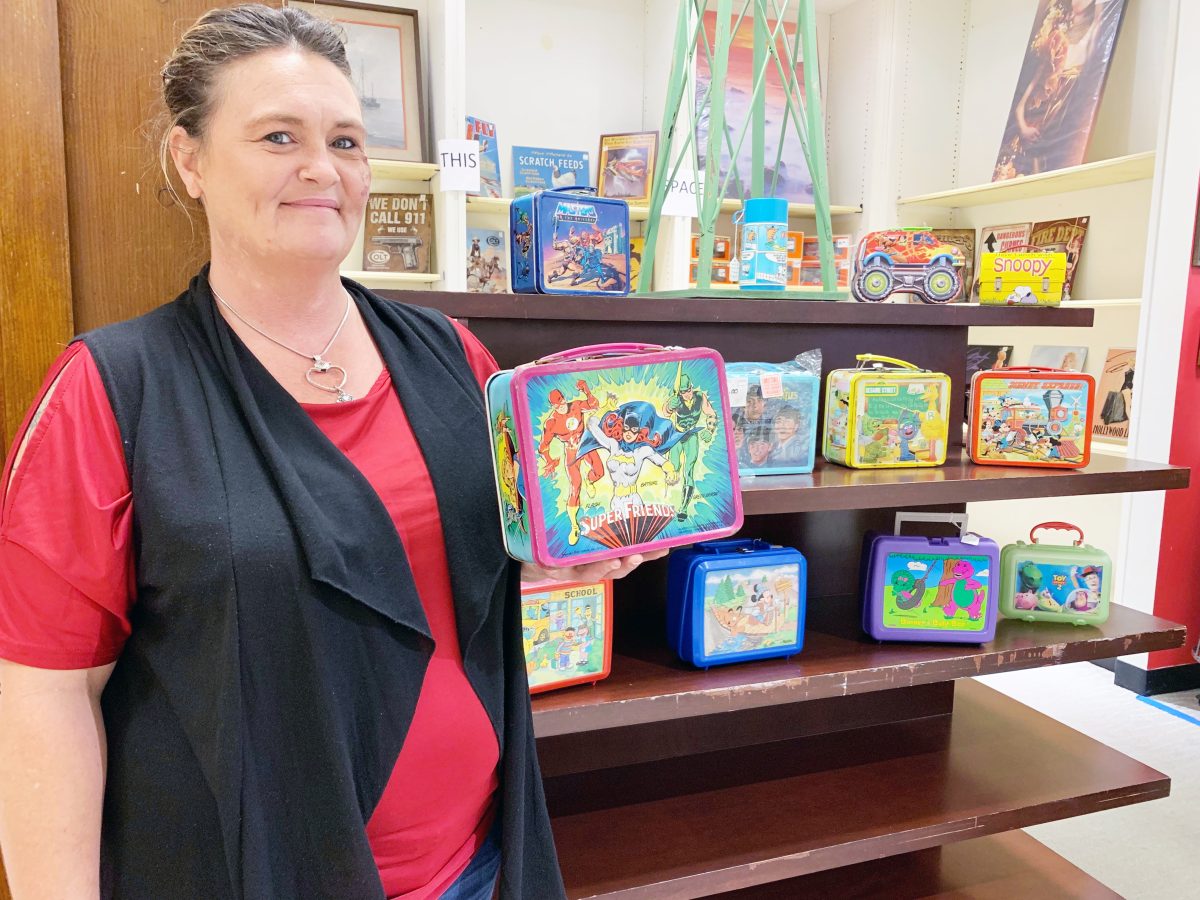
Niki Burnsworth, store manager at Crown Antiques Mall in the Uniontown Mall, displays a collection of lunch boxes for sale at the store. Lunch boxes, a pop culture icon, are enjoying a resurgence in popularity.
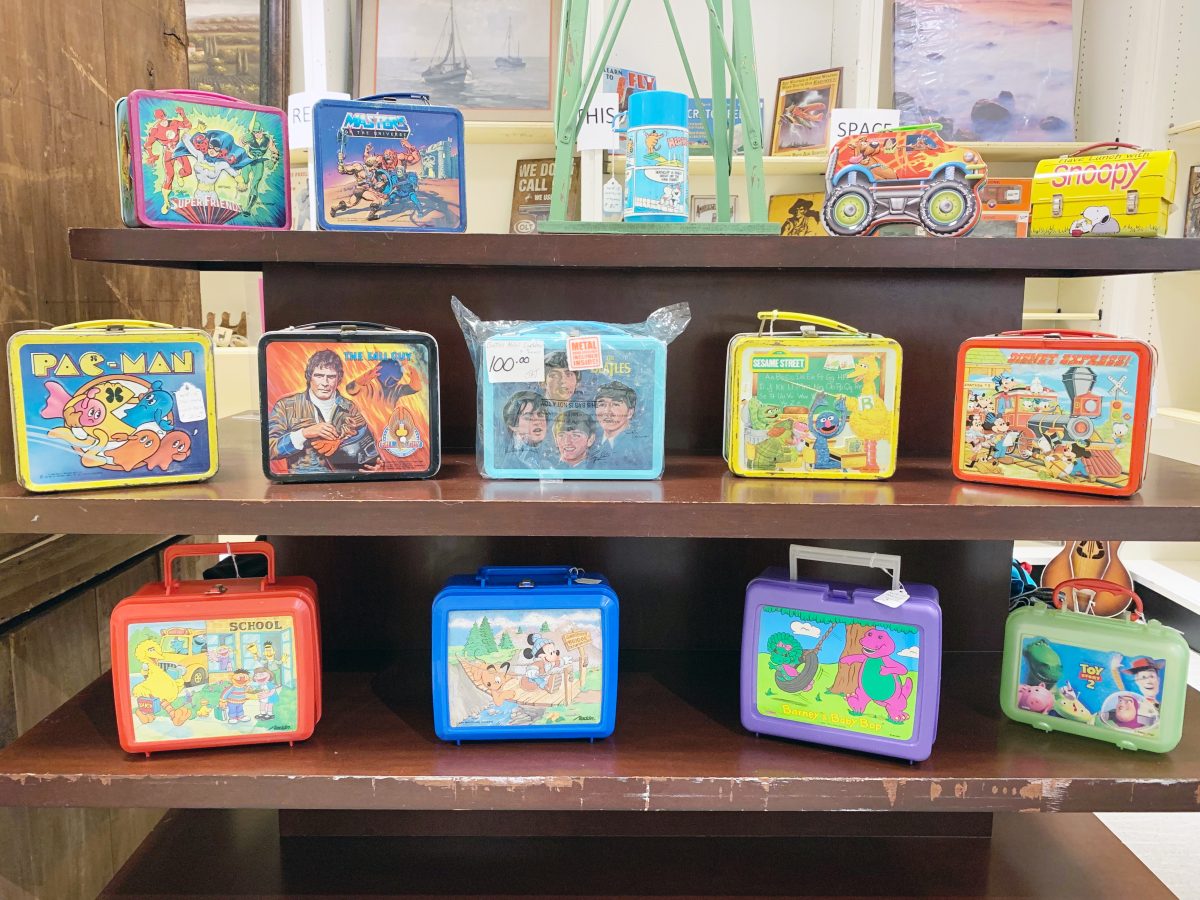
A display of metal and plastic lunch boxes for sale at Crown Antiques Mall in the Uniontown Mall. During the golden age of metal lunch boxes, from the 1950s to the 1970s, more than 120 million were sold.
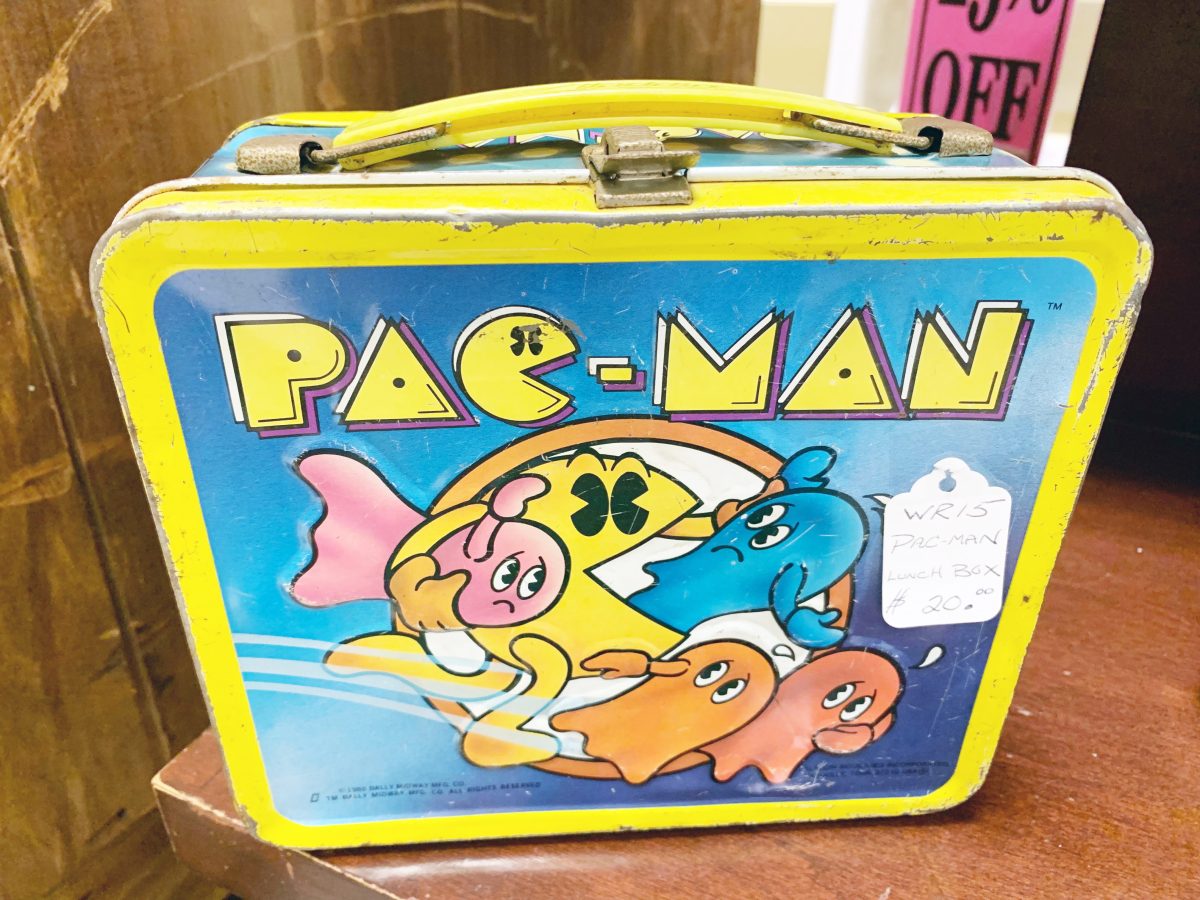
A 1980 vintage Aladdin Pac Man lunch box.
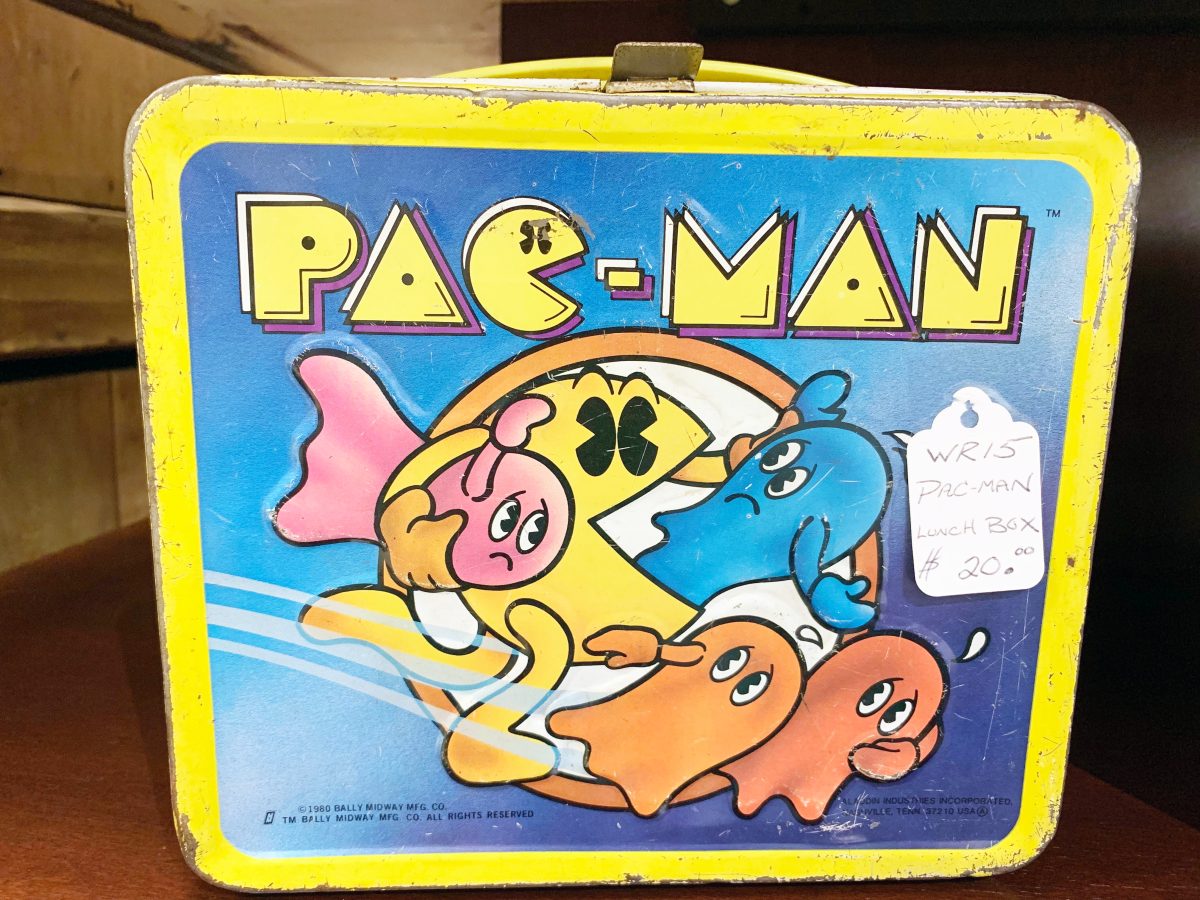
A vintage 1980 Aladdin Pac Man metal lunch box.
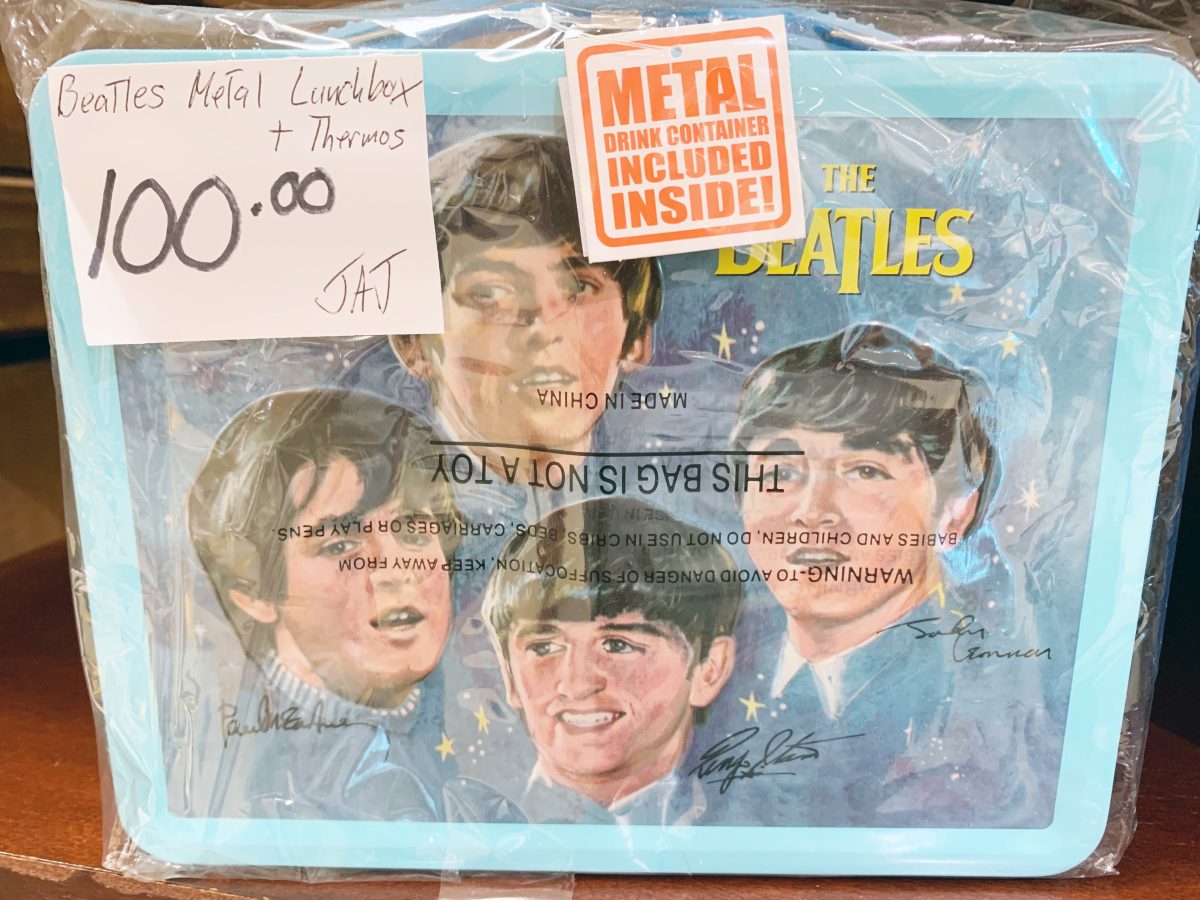
A 1965 Beatles metal lunch box produced by Aladdin, one of the top three lunch box manufacturers. The lunch box is one of several lunch boxes available for purchase at Crown Antiques Mall in Uniontown Mall.
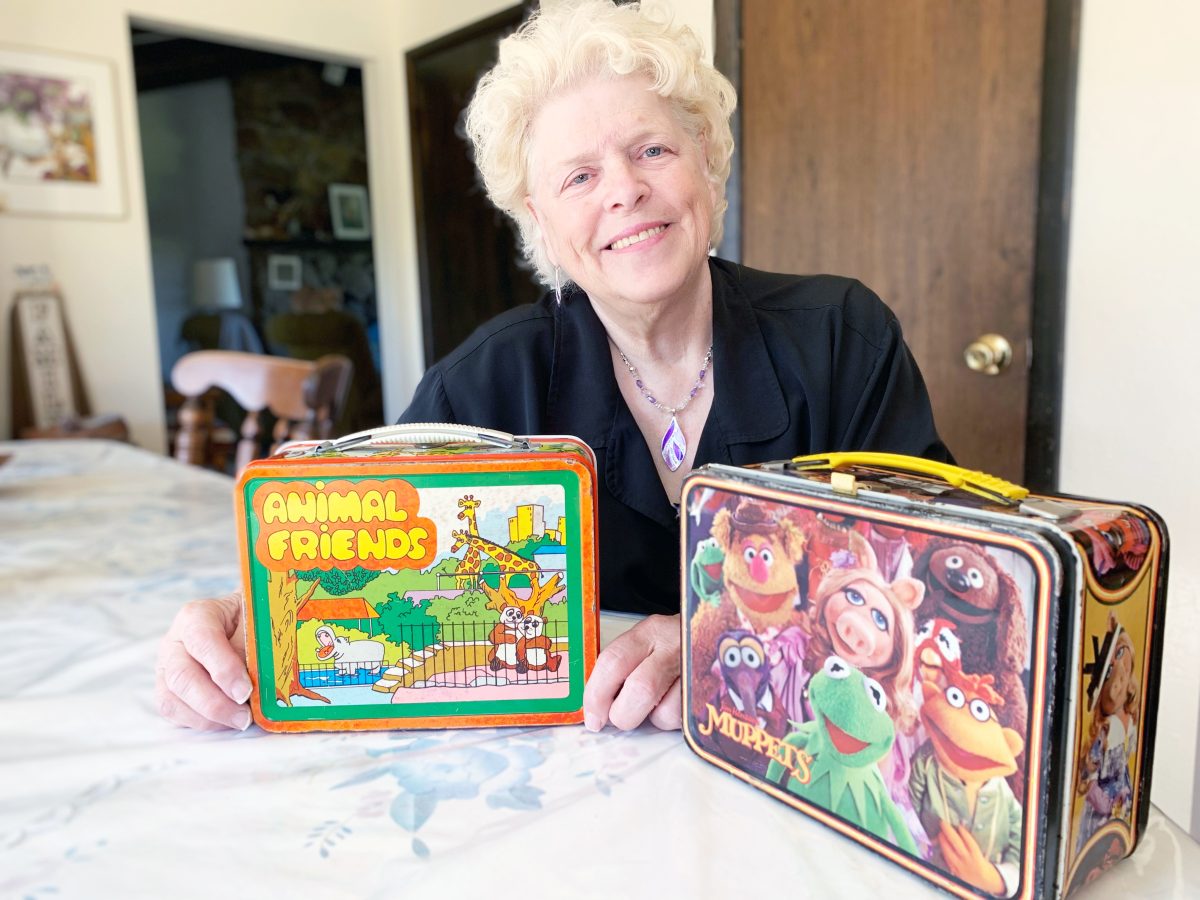
Linda Neill of North Strabane Township poses with two lunch boxes her son, Paul, used when he was a child. Neill has fond memories of packing a lunch for Paul when he was a toddler and pulling him in a wagon to a tree on their 90-acre farm, where they would enjoy a meal.
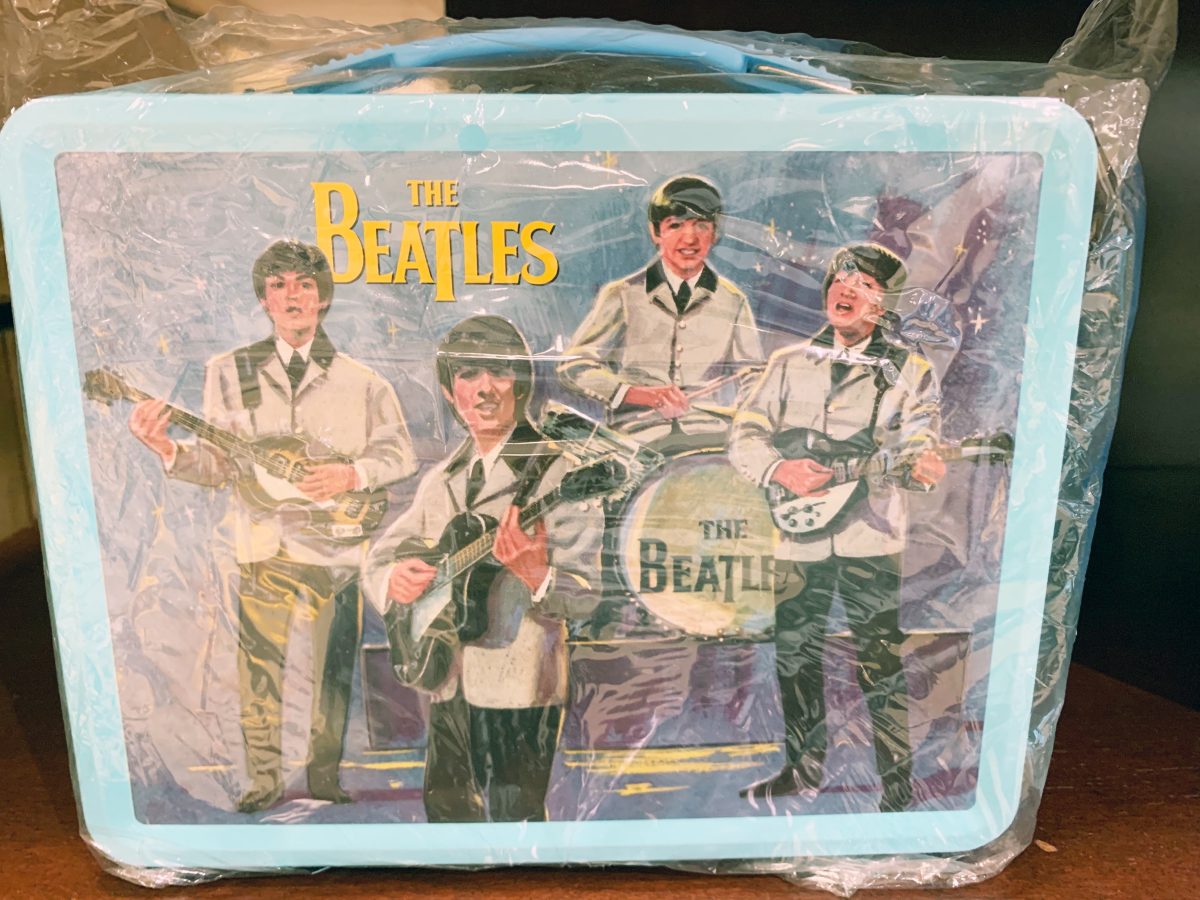
A 1965 Beatles metal lunch box produced by Aladdin.
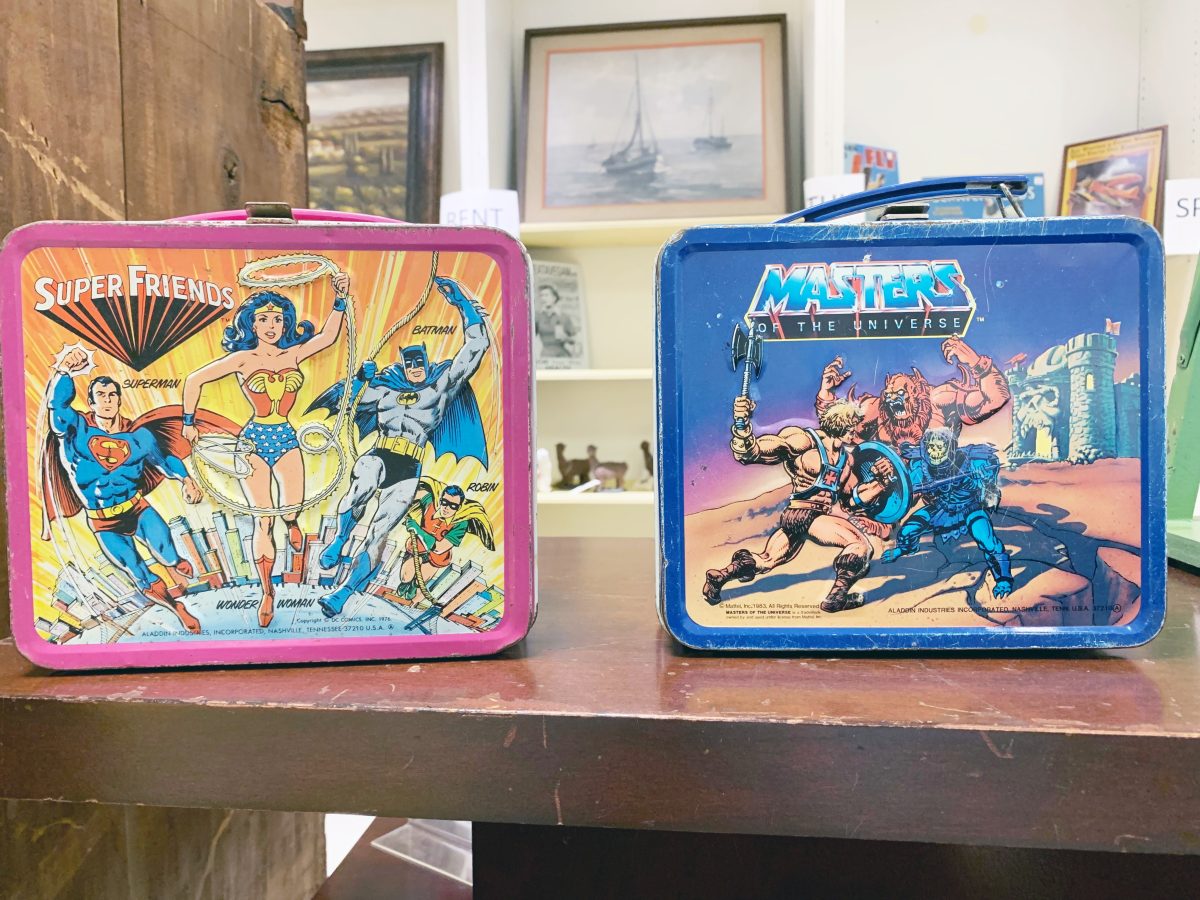
Lunch boxes date back to the 1890s, when miners and factory workers carried them. In the 1950s, lunch box manufacturers started embossing metal lunch boxes with characters from television, movies and comics. These lunch boxes, depicting Wonder Woman and Masters of the Universe, were for sale at Crown Antiques Mall, Uniontown Mall. The Smithsonian's Museum of American History and the Lunch Box Museum in Columbus, Ga., have extensive displays of lunchboxes.
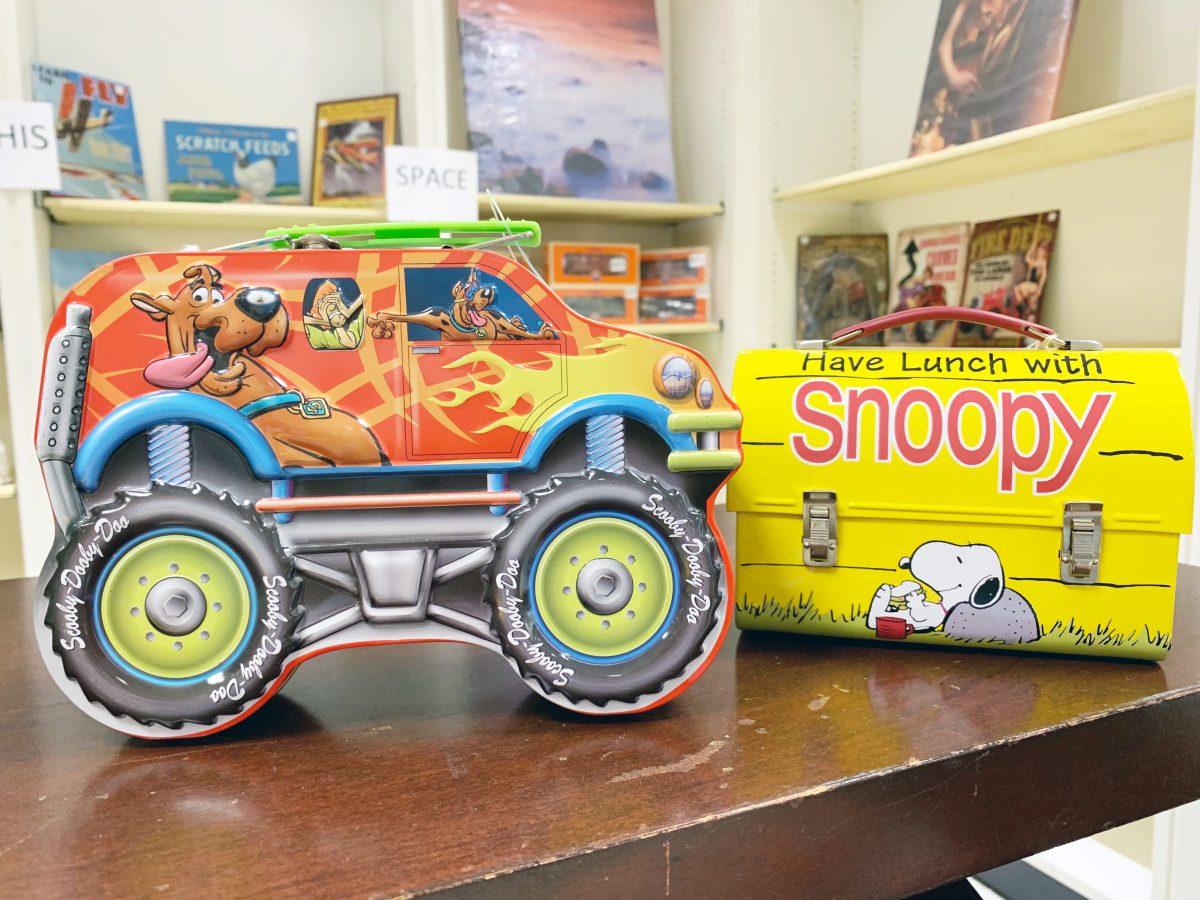
A Scooby Doo monster truck lunch box, and a Snoopy pail manufactured by Hallmark.
Notice: Undefined offset: 0 in /usr/web/cs-washington.ogdennews.com/wp-content/themes/News_Core_2023_WashCluster/includes/single/strategically_placed_photos_article.php on line 412
Notice: Trying to get property 'term_id' of non-object in /usr/web/cs-washington.ogdennews.com/wp-content/themes/News_Core_2023_WashCluster/includes/single/strategically_placed_photos_article.php on line 412
Bryan Linton toted his metal yellow Disney lunch box to kindergarten at 7th Ward School in Washington every day in 1975.
He plastered some license plate stickers onto the dome-top school bus lunch box, which depicted Disney characters looking out of the bus windows as Mickey Mouse and Pluto follow alongside.
Linton used it to transport the peanut butter and jelly sandwich, tapioca pudding cup and banana his mother packed daily.
“I was never into Disney, but I liked the looks of it,” said Linton, of New Albany, Ohio, noting he attempted to ride the lunch box down Second Street on snowy or icy days.
Today’s lunch boxes have evolved from the metal boxes children used from the 1950s through the 1980s.
Walk into a school cafeteria today and you’ll find bento boxes and tiffin boxes – compartmentalized, earth-friendly containers – and soft insulated vinyl lunch bags.
“Lunch boxes have changed quite a bit over time,” said Debbie Schaefer-Jacobs, a curator for the Smithsonian’s National Museum of American History, which includes a collection of 218 significant lunch boxes, containers, tins and pails dating to the Civil War. “A lot of lunch boxes reflect important cultural and historical events that were going on in the country. After the Apollo 11 space mission, for example, astronaut and space lunch boxes became popular.”
The first metal lunch box targeted at kids was introduced in 1902, a picnic-shaped basket box with pictures of children playing lithographed on its side.
Before that, school children carried their lunches in used tobacco, candy or biscuit tins, Schaefer-Jacobs said.
In 1911, the American Thermos Bottle Company introduced the lunch box with thermos bottle, and in 1935, the first character lunch box appeared, with Mickey Mouse pressed onto the tin.
And then, says Allen Woodall Jr., owner of the Lunch Box Museum in Columbus, Ga., in the 1950s, the metal lunch box became a pop culture icon.
In one of the most effective advertising campaigns launched, Aladdin, a Nashville, Tenn. company, decided to link its lunch boxes with the new popularity of television.
Aladdin introduced a lunch box featuring a picture of television and radio cowboy star Hopalong Cassidy on the front.
“It was a fabulous marketing tool. Every popular television show ended up on the lunch box: the Six Million Dollar Man, the Bionic Woman, The Partridge Family,” said Woodall. “Then, everybody got on the bandwagon. Campbell’s came out with lunch boxes and thermoses to carry soups, and McDonald’s produced three or four of them.”
The television and movie-themed lunch boxes were an excellent way to get parents to buy a new box annually, too.
“Every year, the kids of course wanted a different lunch box based on what new shows or movies came out,” said Woodall, who co-wrote “The Illustrated Encyclopedia of Metal Lunch Boxes.”
At the height of popularity, between 1950 and 1970, 120 million lunch boxes were sold.
The 1980s saw the demise of the metal lunch box; they were replaced by cheaper plastic boxes.
In 1985, Thermos manufactured what is believed to be the last-ever metal lunch box, a Rambo.
Woodall presents another theory, an urban legend, for the demise of the metal lunch box.
It’s believed, Woodall says, that a group of concerned mothers in Florida lobbied the state to ban steel boxes because they believed the lunch boxes could be used as weapons.
“They said kids were fighting with them, but the truth was, the kids were banging them up so they could get new ones,” Woodall explained.
Today’s lunch bags more efficiently retain temperature and offer a variety of accessories and hand compartments.
But vintage lunch boxes aren’t going anywhere – in fact, they are enjoying a small comeback.
Lunch box collecting is a popular hobby, and some boxes retail for hundreds and thousands of dollars.
“We always have lunch boxes here. We have several collectors who are looking for older boxes,” said Niki Burnsworth, store manager at Crown Antiques Mall in Uniontown Mall. “But, even younger kids are coming in looking for them. They like the retro stuff.”
On a recent afternoon, Burnsworth had more than a dozen lunch boxes on display, including a blue Beatles box embossed with the Fab Four that was for sale for $100.
The shelves of Woodall’s Lunch Box Museum hold more than 2,000 lunch boxes and related memorabilia, including original paintings created for reproduction on lunch boxes and metal proof sheets.
Woodall also sells duplicates of most of the lunch boxes on display. So, if you’re looking for the shiny Charlie’s Angels lunch box you hauled around in sixth grade, you might find it at the Lunch Box Museum.
The museum, Woodall noted, draws visitors from across the country and, occasionally, from different parts of the world.
What’s the attraction?
Nostalgia, answered Woodall and Schaefer-Jacobs.
“Lunch boxes are like time capsules. They bring back wonderful memories,” said Woodall. “They capture key times in our pop culture, and that’s why they’ve endured.”