

Notice: Undefined variable: paywall_console_msg in /usr/web/cs-washington.ogdennews.com/wp-content/themes/News_Core_2023_WashCluster/includes/single/single_post_meta_query.php on line 71
Notice: Undefined offset: 0 in /usr/web/cs-washington.ogdennews.com/wp-content/themes/News_Core_2023_WashCluster/single.php on line 18
Notice: Trying to get property 'cat_ID' of non-object in /usr/web/cs-washington.ogdennews.com/wp-content/themes/News_Core_2023_WashCluster/single.php on line 18
Top 10 business stories
Katherine Mansfield/Observer-Reporter
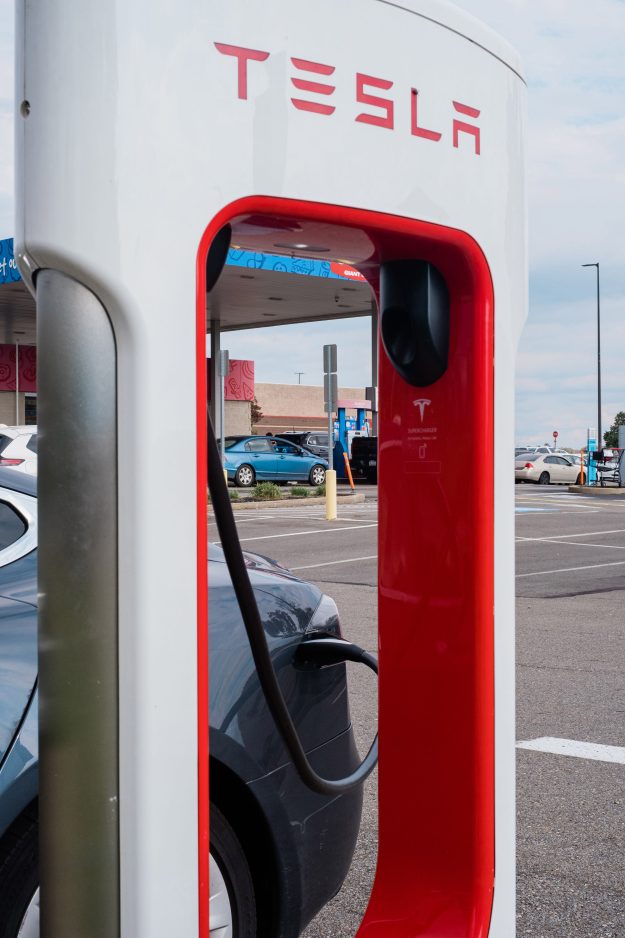
At a glance, it appears Ed Lyness, 90, is filling his tank, but upon closer inspection it’s clear he’s actually charging it. The super charge for electric vehicles at Giant Eagle in North Strabane Township looks similar, albeit more futuristic, than traditional gas pumps.
Trumka

Pawlick
Courtesy of the DEP
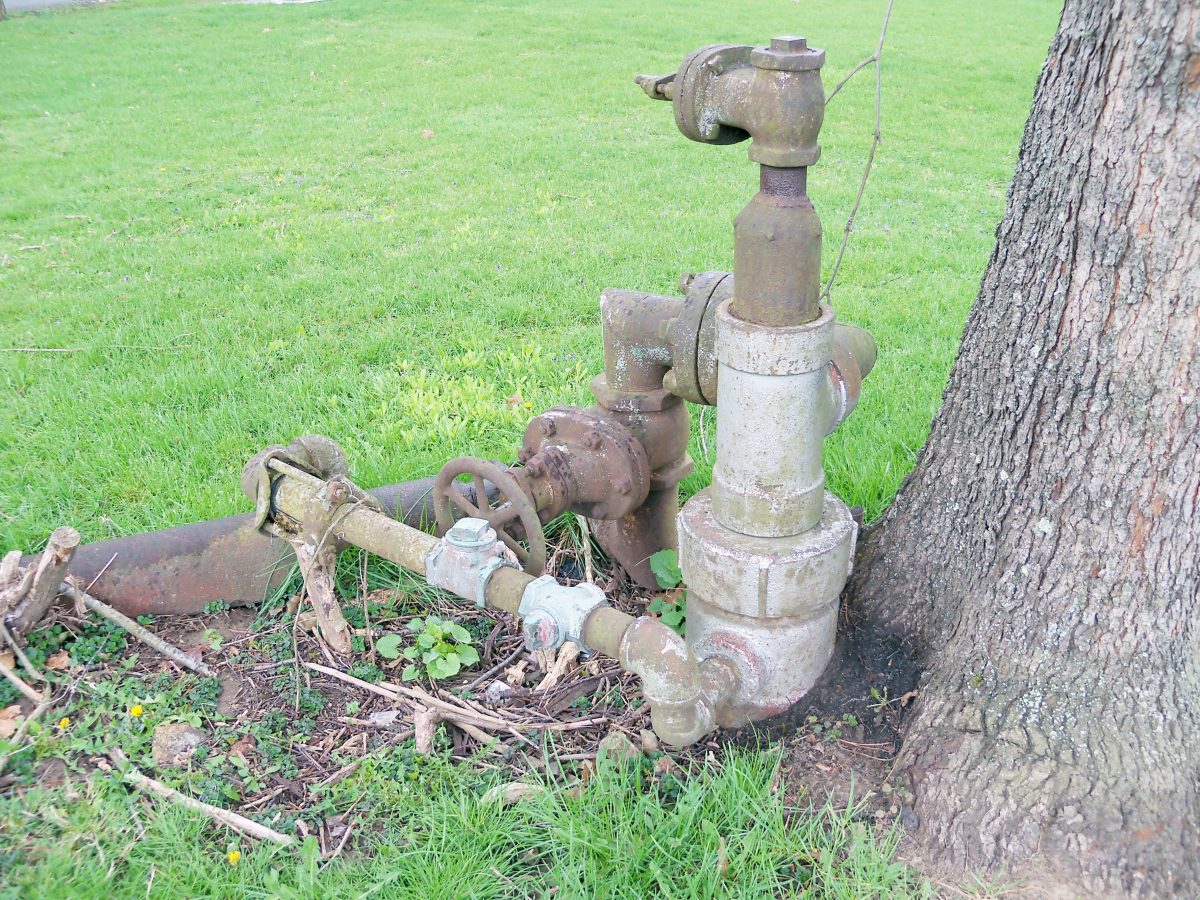
This abandoned Greene County well is among thousands dotting the Pennsylvania landscape.
Mike Jones/Observer-Reporter
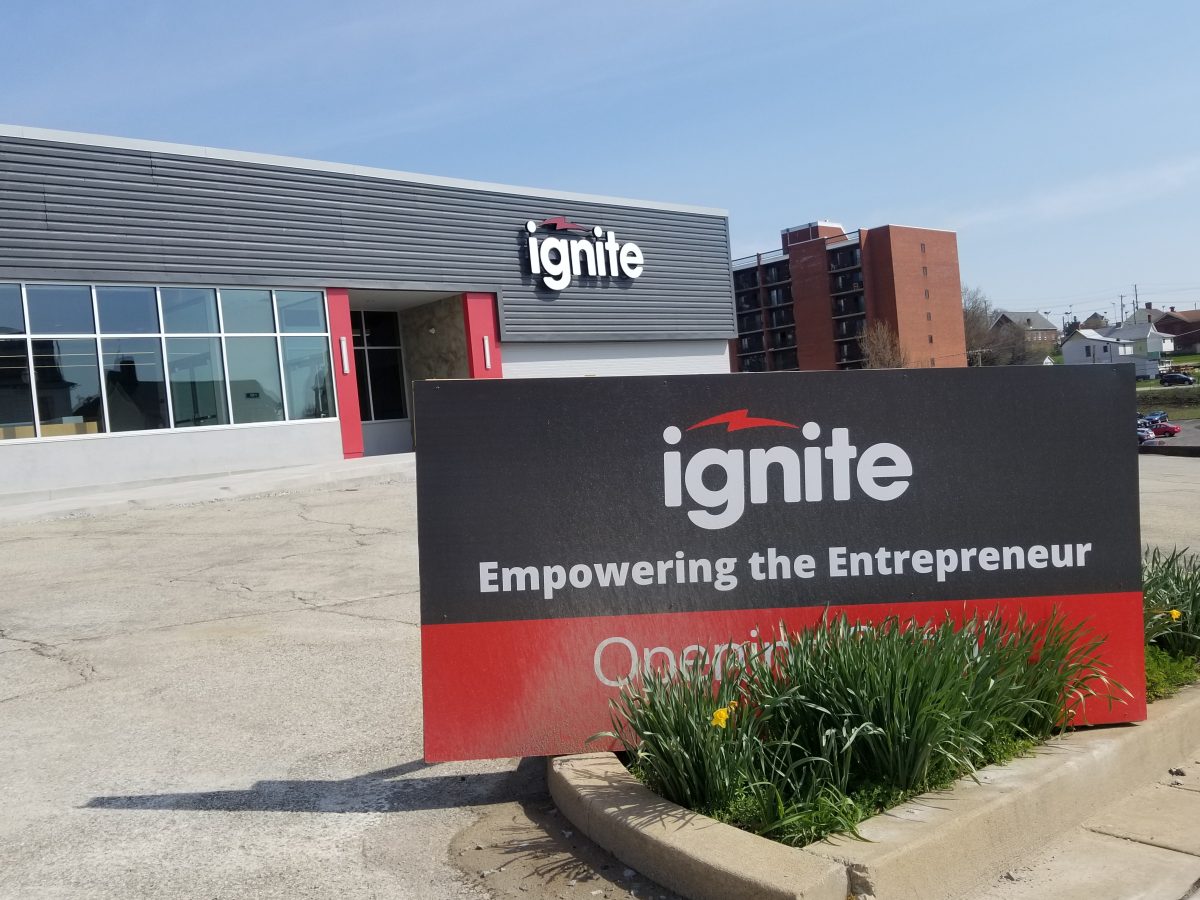
Ignite Business Incubator and Co-working Space opened in Washington in May 2021.
Notice: Undefined offset: 0 in /usr/web/cs-washington.ogdennews.com/wp-content/themes/News_Core_2023_WashCluster/includes/single/strategically_placed_photos_article.php on line 412
Notice: Trying to get property 'term_id' of non-object in /usr/web/cs-washington.ogdennews.com/wp-content/themes/News_Core_2023_WashCluster/includes/single/strategically_placed_photos_article.php on line 412
Business writer
At this time last year, the Observer-Reporter selected the coronavirus pandemic as the No. 1 business story of 2020. We won’t do that this time around, for the unseen pathogen – accompanied by two variants – is still wreaking havoc with virtually everything, not just business.
Besides, COVID-19 is as tedious and depressing as a Dickens novel, and some of our 2021 selections are actually upbeat. This is supposed to be the most wonderful time of the year.
1. Inflation is deflating
The nation’s economy has not been able to meet demands for certain goods and services, contributing to inflation soaring to 6.8% in November, the highest level since June 1982. Analysts are mixed on whether this inflationary spiral will diminish within a reasonable period or persist awhile longer.
In an effort to “wrestle inflation under control,” as Associated Press described it, Federal Reserve Chair Jerome Powell announced recently that the central bank could raise its benchmark short-term rate three times in 2022, starting perhaps as early as the first half of 2022.
President Joe Biden contends his Build Back Better bill will help to ease inflation. The legislation has been passed by the House, but is in peril in the Senate, where Democrat Sen. Joe Manchin of West Virginia has opposed it.
2. Broken chain
Supply chain challenges have had a major impact on inflation. At various points during the two-year pandemic, lumber, cereal, computer chips, toilet paper, exercise equipment, cat food and beer have been among hundreds of items that have been difficult or impossible to secure. Often, when they do arrive, these goods are a lot pricier.
Images of container ships stuck at ports in California and elsewhere, and at sea, have perplexed consumers here and abroad. Issues continue across the globe, exacerbated by major shortages of drivers and other workers who, if on duty, could ease the problems.
3. Employment issues
The Great Resignation is here, as record numbers of people have been leaving their jobs. Many are doing so because of low pay and/or grueling hours, including workers who walked out at a McDonald’s restaurant in Bradford in early September.
Workers are doing so at a time when numerous industries are begging for employees, a number of them posting “help wanted” signs. Restaurants, besieged by government shutdowns 12 months ago, are now suffering through staff shortages, resulting in delays in food preparation, longer wait times and disgruntled diners.
Yet unemployment rates have been on a decline. The national jobless figure dropped to 4.2% in November, while Pennsylvania’s rate was 5.7%.
4. Area loses business giants
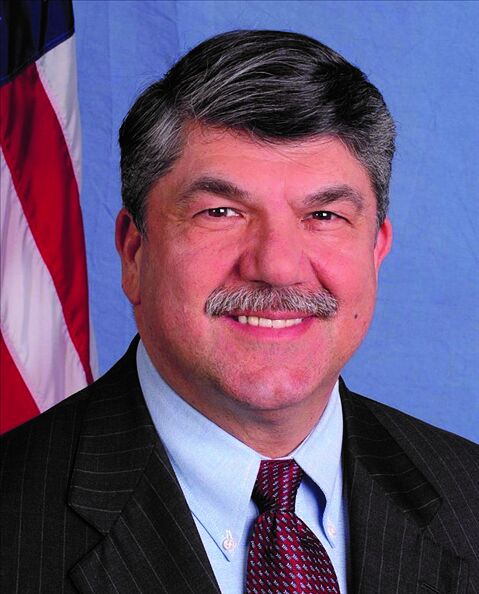
Graduating from Carmichaels Area High School wasn’t the only thing Richard Trumka and Lue Ann Pawlick had in common. They were business giants at different levels – he as a longtime national labor leader, she as an economic development visionary in the Monongahela Valley.
Trumka, 72, a former coal miner, had been president of the AFL-CIO for 12 years at the time of his Aug. 5 passing. The federation represents 12.5 million union employees. Trumka previously was president of the United Mine Workers union for 13 years, and staff attorney for the UMW before that.
State Rep. Pam Snyder, D-Jefferson, a first cousin, said Trumka’s death was unexpected.
“This has rocked our whole family,” she told the Observer-Reporter. “It’s a terrible loss for us, but also a terrible loss to working people across the country.”
Pawlick, 60, was a linchpin in the planning and development of Alta Vista Business Park and Donora Industrial Park. She also built a reputation as an entrepreneur, business owner and commercial real estate agent. Pawlick died of cancer April 19.
“Lue Ann’s crown jewel was Alta Vista (in Fallowfield Township),” said John LaCarte, chairman of the Mon Valley Alliance. He had worked with Pawlick with the Middle Monongahela Industrial Development Association, which in 2016 consolidated with the Mon Valley Progress Council to form the MVA.
“Lue Ann had the ability to find sites, get money and purchase them,” LaCarte added. “Her work as an economic developer is still paying tremendous dividends for the Valley.”
5. Broadband services
High-speed internet access is vital in today’s world, yet many rural communities nationwide – including the southwestern corner of Pennsylvania – don’t have that. Shortly before the pandemic arrived in early 2020, according to one report, nearly 40 million Americans were lacking broadband access.
Money from the infrastructure bill, however, is targeted to expand broadband in states, including Pennsylvania. Both houses of the General Assembly in the Keystone State voted unanimously to establish a broadband authority, which would develop a plan and distribute grant money.
Rep. Pam Snyder, D-Jefferson, co-sponsored the bill in the House.
6. Main Street
Shana Brown and her husband ran a real estate business in Georgia more than a decade ago. She is now drawing on that experience as the Main Street manager in Washington, and is feeling at home on her return home.
“I absolutely love downtown Washington,” said Brown, a Chartiers-Houston High School graduate. “I love everything that it has to offer, and it has so much potential.”
Brown assumed her new duties on Aug. 2, succeeding Sarah Collier. Brown was six weeks into her new gig with the Washington Business District Authority when the city began demolition on a stretch of storefronts at the nexus of North Main and West Chestnut streets.
7. Not so well
The state Department of Environmental Protection has about 8,700 abandoned or orphaned natural gas wells on its database. The true number in Pennsylvania, however, is believed to be more than 300,000 – many of them uncapped and most of them potential sources of methane pollution.
“Operators have placed wells in almost every conceivable place, which presents great challenges for us,” Seth Pelepko, a DEP official, said in a webinar present by the Center for Energy Policy and Management at Washington & Jefferson College.
The cost of plugging and cleaning up these sites is formidable: an estimated $33,000 per well. Funding from the infrastructure deal will help in the war against climate change.
8. Bouncing back
The oil and gas industry is not the juggernaut it was – regionally and nationally – a half-decade ago. But it appears to be bouncing back.
In its 2022 forecast, deloitte.com said the industry “has rebounded strongly throughout 2021, with oil prices reaching their highest levels in six years. While the industry’s recovery is better than expected, uncertainty remains over market dynamics in the coming year.”
Deloitte, a global professional services network, added “as we move into 2022, many oil and gas companies are looking to reinvent themselves by practicing capital discipline, focusing on financial health, committing to climate change and transforming business models.”
9. It’s electric
East Washington got its long-awaited electric police car Dec. 15, and is charged up about it. But the borough is far from being a trend setter. An estimated 5.6 million EVs are operating around the world, and that figure is ballooning.
This demand for electric vehicles is sparking accelerated production. EVs are regarded for being economical long term; having a reputation for smooth performance; and being eco-friendly at a time of climate crisis. They have an electric motor, which does not emit exhaust from a tailpipe – as gasoline- and diesel-powered vehicles do.
10. Incubator hatched
Five years, two names and two locations later, the business incubator opened in Washington.
IGNITE Business Incubator and Co-Working Space launched at 57 E. Chestnut St. in early May. It is a Washington & Jefferson College program that, according to the W&J website, is “intended to empower, support, educate and connect Washington County businesses and drive community impact and economic development across Washington County.”
Lauren LaGreca manages the incubator, a project known initially as Greater Washington Area Business Incubator and planned for two buildings previously used by the Observer-Reporter.