

Notice: Undefined variable: paywall_console_msg in /usr/web/cs-washington.ogdennews.com/wp-content/themes/News_Core_2023_WashCluster/includes/single/single_post_meta_query.php on line 71
Notice: Undefined offset: 0 in /usr/web/cs-washington.ogdennews.com/wp-content/themes/News_Core_2023_WashCluster/single.php on line 18
Notice: Trying to get property 'cat_ID' of non-object in /usr/web/cs-washington.ogdennews.com/wp-content/themes/News_Core_2023_WashCluster/single.php on line 18
Incredible Iceland: Land of fire and ice
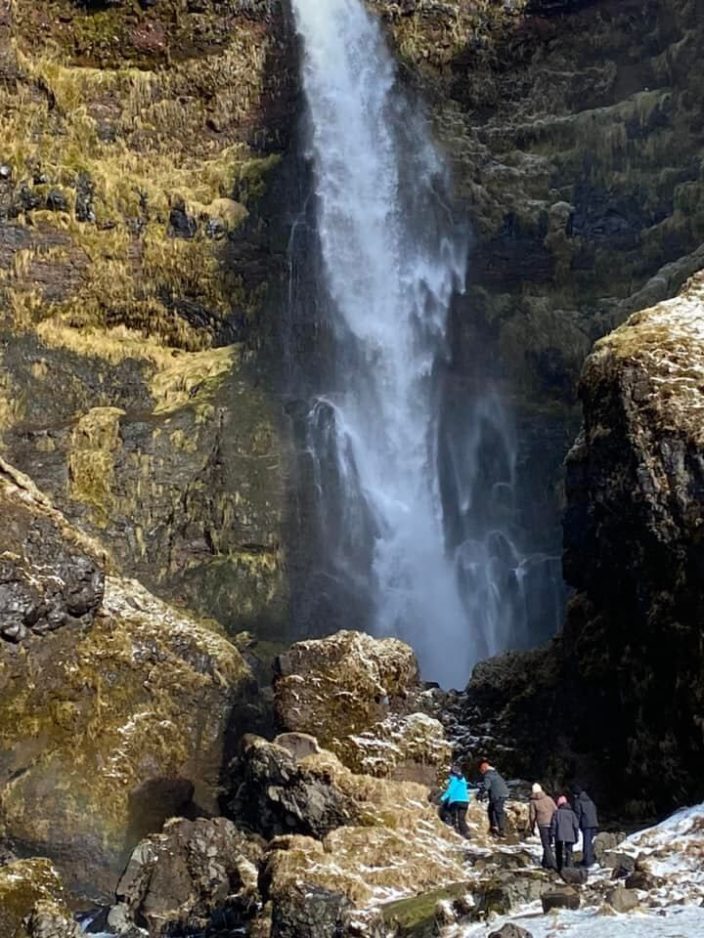
Kristin Emery/For the Observer-Reporter
One of the impressive waterfalls in Iceland
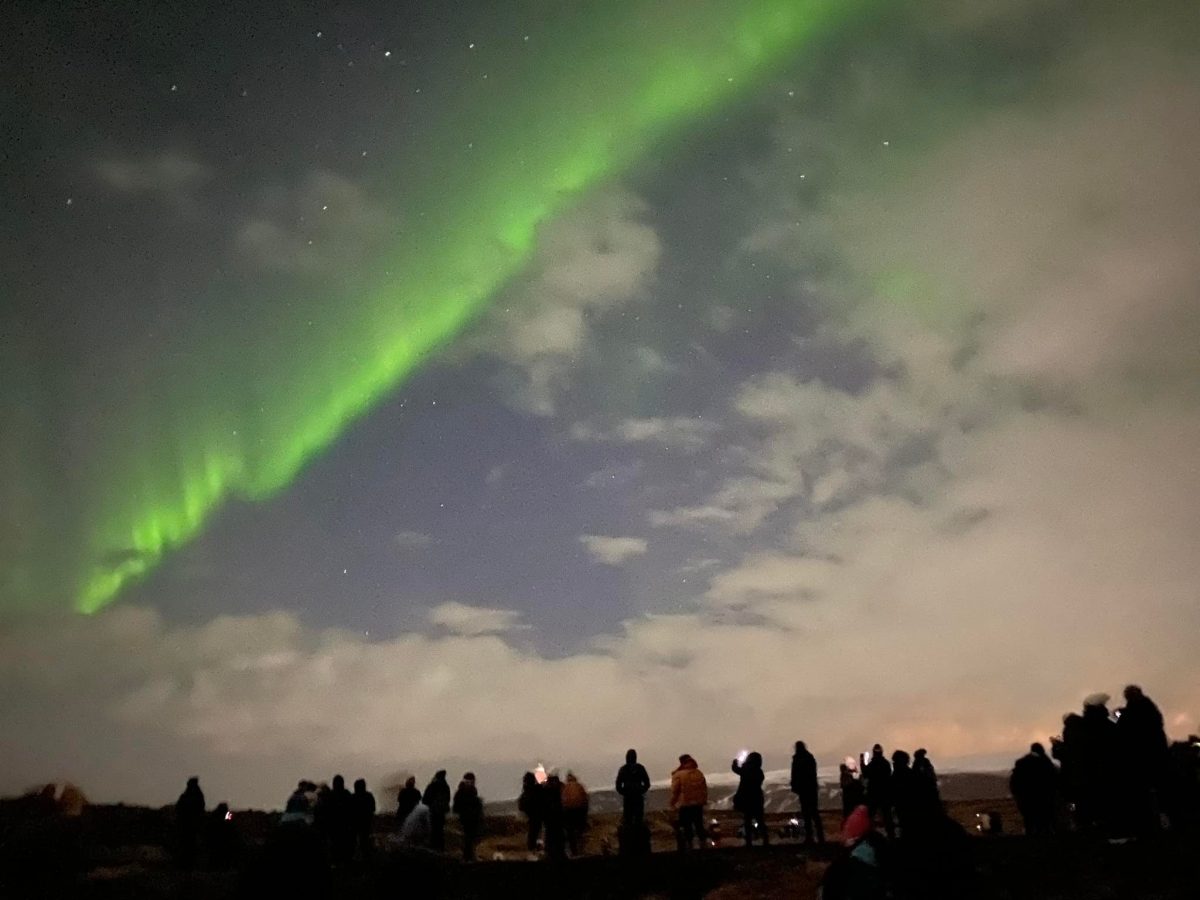
Kristin Emery/For the Observer-Reporter
A view of the Aurora Borealis (Northern Lights)
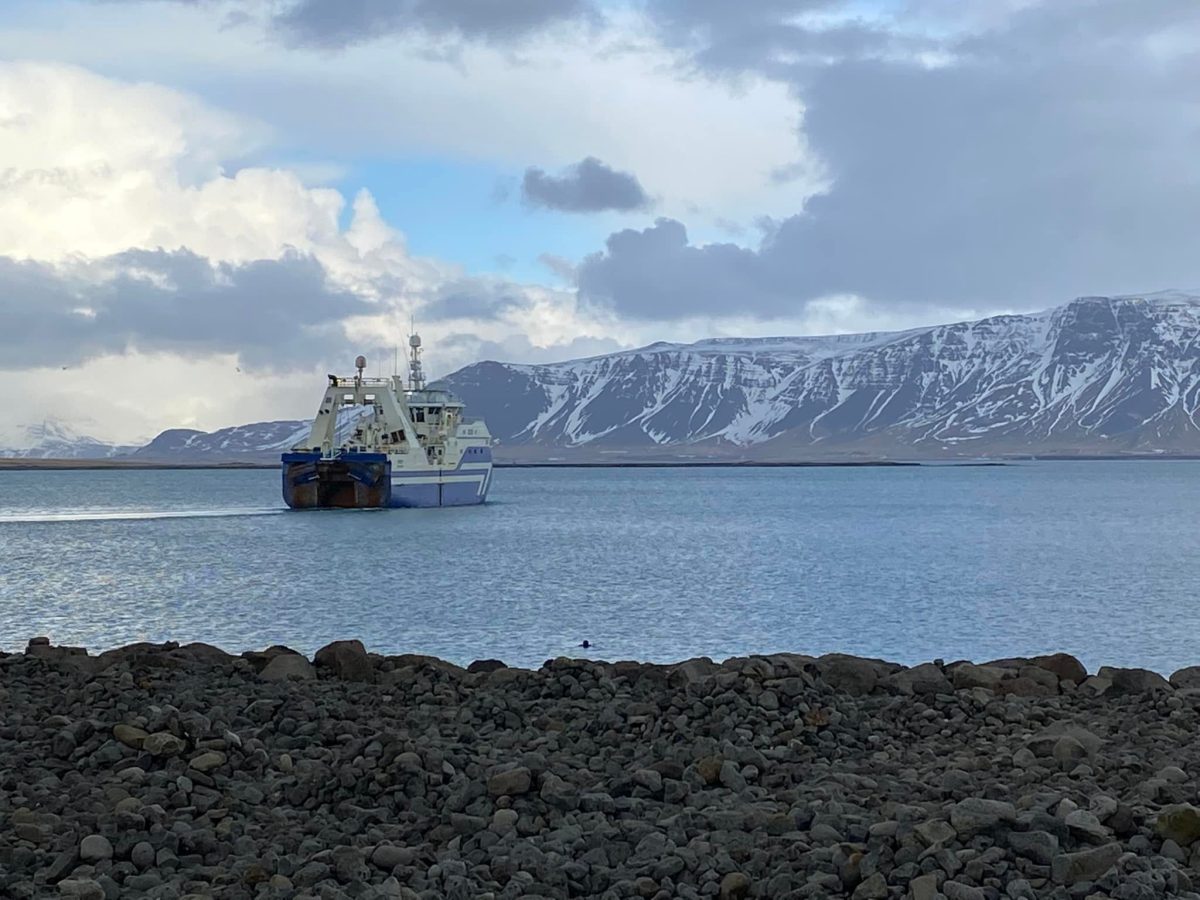
Kristin Emery/For the Observer-Reporter
A view of Iceland’s shoreline
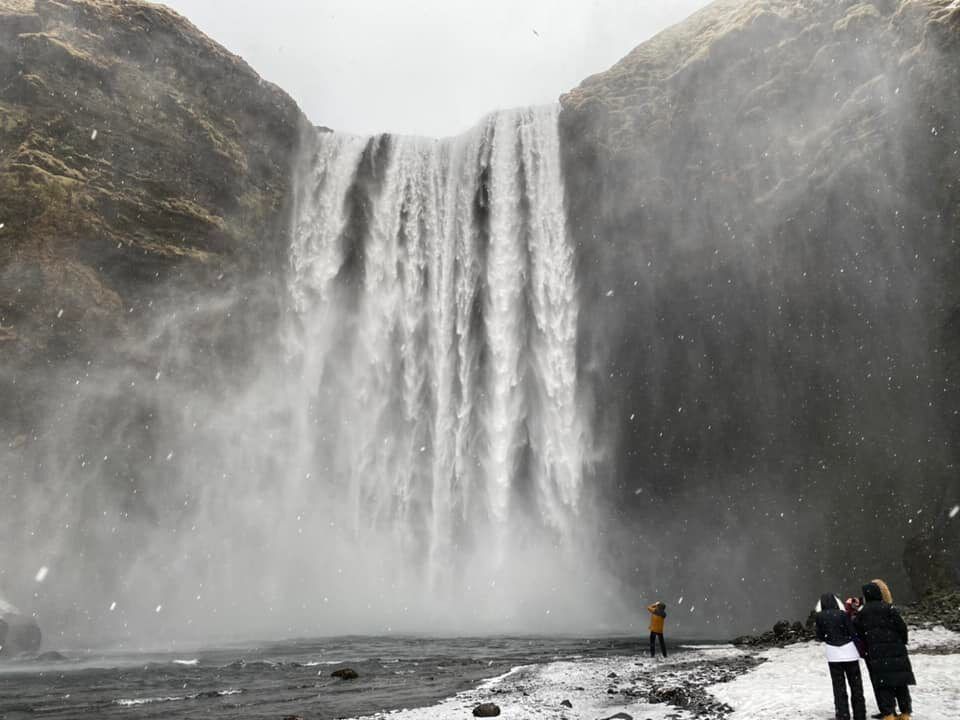
Kristin Emery/For the Observer-Reporter
Skogafoss waterfall is one of Iceland’s biggest waterfalls.
Kristin Emery/For the Observer-Reporter
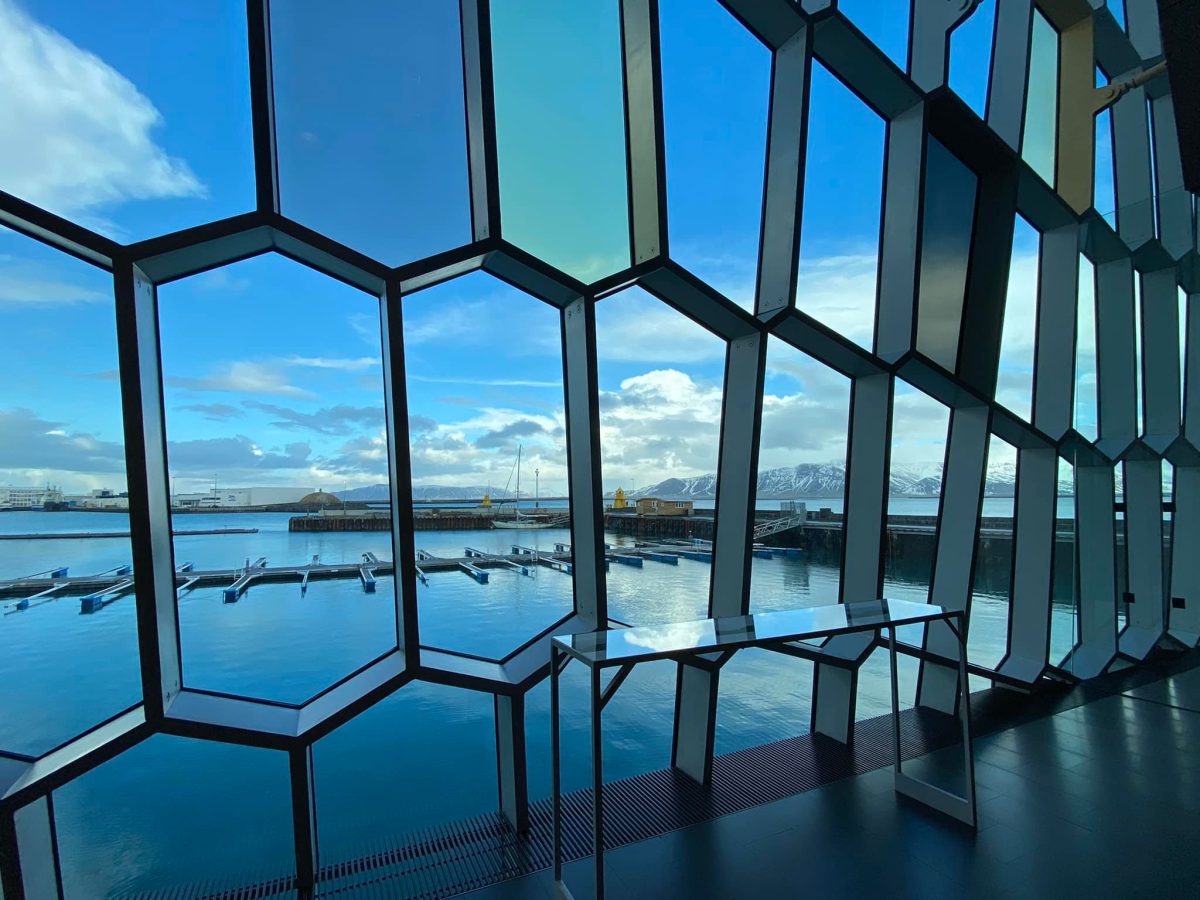
The view from Harpa Concert Hall in Reykjavík
Kristin Emery/For the Observer-Reporter
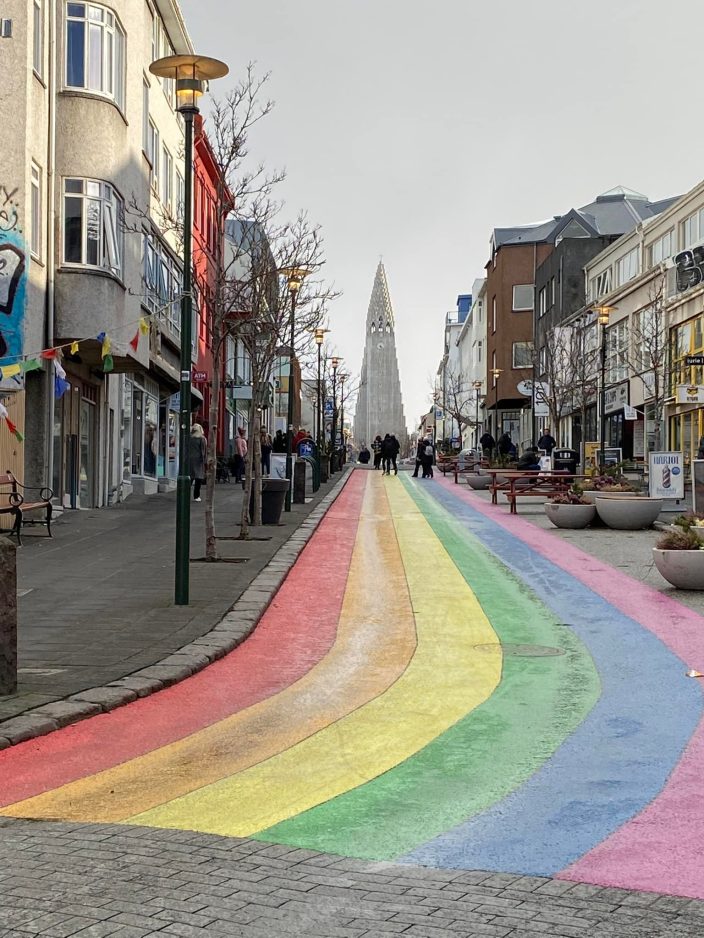
A view of the iconic Hallgrimskirkja church in Reykjavík, the largest church in Iceland
Kristin Emery/For the Observer-Reporter
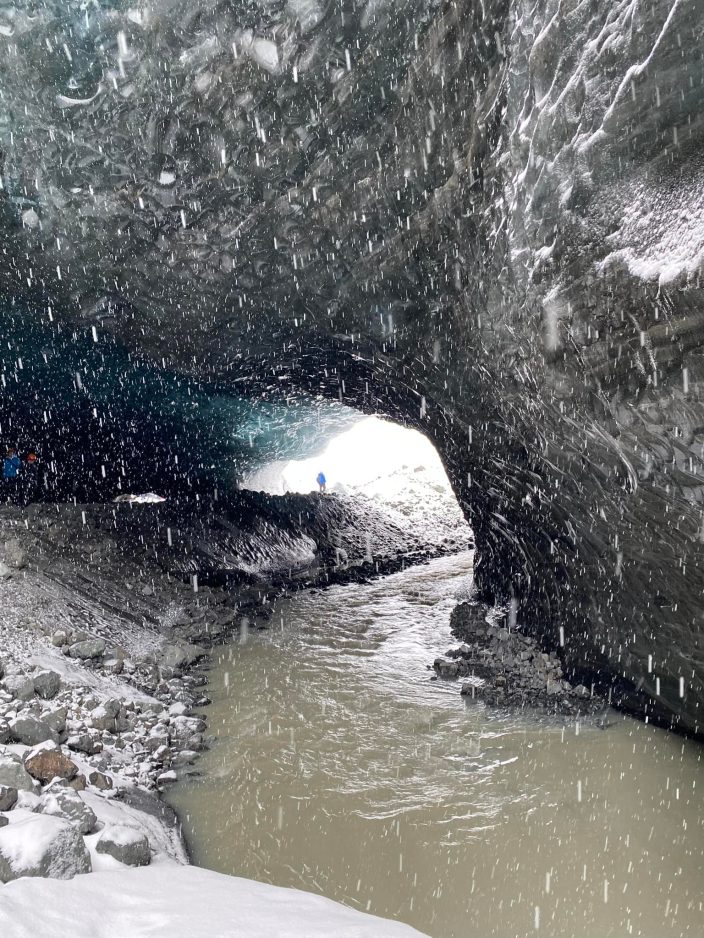
One of Iceland’s many ice caves
Notice: Undefined offset: 0 in /usr/web/cs-washington.ogdennews.com/wp-content/themes/News_Core_2023_WashCluster/includes/single/strategically_placed_photos_article.php on line 412
Notice: Trying to get property 'term_id' of non-object in /usr/web/cs-washington.ogdennews.com/wp-content/themes/News_Core_2023_WashCluster/includes/single/strategically_placed_photos_article.php on line 412
How did an island country of only 366,000 people sitting at the intersection of the Arctic and North Atlantic oceans become one of the hottest travel destinations over the last decade?
Iceland’s incredible story starts with the Vikings and continues with jagged, volcanic, ice-covered natural splendor along with what’s continually ranked as one of the world’s most peaceful populations.
The inspiring terrain of Iceland was at the top of my travel list for a few years, offering the chance to see the Aurora Borealis (otherwise known as the Northern Lights) along with stunning waterfalls and ice caves. Though Icelandic summers offer endless hours of daylight (the sun only sets for about three hours from May through August), the best chance at seeing the northern lights with your own eyes comes from October through March. That means braving this northern wonderland’s famously fickle and wet, chilly winter weather. It’s really not as cold as you would think, despite sitting just outside the Arctic Circle, because Iceland’s climate stays temperate thanks to the warming effect of the Gulf Stream.
Still, you’ll need a very warm coat, gloves, a hat and (most important) a waterproof jacket and pants. If you’re brave enough to stand out in the cold for a few hours … trust me when I say the northern lights and Iceland’s incredible landscape are worth every shiver.
Teeming with tourists
With nearly 65% of all Icelanders living in the capital city of Reykjavík, the rest of the island nation is dotted with small villages and farming communities that now play host to tons of tourists. When I say tons, I mean tons. One of our tour guides said nearly 2.5 million tourists visited in the year before the COVID-19 pandemic hit. That’s almost 10 tourists for every Iceland resident.
Tourism mushroomed here along with Iceland’s April 2010 eruption of Eyjafjallajökull volcano. Photos of the eruption drew curious visitors to the otherworldly landscape with relatively affordable prices. Since then, tourism has taken over and prices have soared. Be prepared for busloads of tourists at every turn and hotel lobbies teeming with organized tour groups. That being said, you can still find good deals for visiting Iceland, and once you escape Reykjavík, you’ll pretty much leave the crowds behind.
We opted to fly nonstop from Dulles Airport in Washington, D.C., to Reykjavík on Icelandair as part of a package deal. Flying from Pittsburgh would have been more convenient but also more expensive, so we drove the 3½ hours to Dulles and parked at a nearby hotel for $5 per day.
Take a soak
The nonstop flight from D.C. is just over five hours, and you’ll likely arrive at Keflavik Airport in the wee hours of the morning. Keflavik is about 45 minutes from Reykjavík, and the best and most affordable option is to book transfer downtown on Reykjavík Excursion’s Flybus. We added it on to our Icelandair package for $60 per person round-trip.
Your hotel room likely won’t be available until afternoon, so you can either nap on the plane, stow your bags, grab breakfast and start strolling around town or opt to visit the Blue Lagoon thermal pool as soon as you arrive (it’s not very far from the airport). Indulging in the quintessentially Icelandic tradition of geothermal pool soaking is an absolute must and a really relaxing treat. The healing properties of geothermal-heated seawater were first discovered in the 1980s when locals started soaking in the warm blue reservoir in the shadow of the nearby power plant. Scientists started studying its properties and now the Blue Lagoon’s potion of silica, algae and minerals is touted worldwide.
The current spa facility opened in 1999 and now boasts a restaurant and hotel. Just last year, the rival Sky Lagoon geothermal spa opened just south of Reykjavík (it cost $31 million to build) and provides a slightly more elevated, serene experience along with a seven-step ritual, including a cold pool plunge, sea salt scrub, steam room and sauna. Both spas offer swim-up bars, and you can take in the scenery of the shoreline and a nearby glacier-capped volcano from the infinity edge Sky Lagoon.
Each of those spa experiences start at between $45 to $65, but if you want to soak for much less money (and avoid the tourists), head to Sundhollin Public Pool just a few blocks from the iconic Hallgrimskirkja church (one of the city’s most iconic landmarks). This is Reykjavík’s oldest pool, which opened in 1937 and still hosts locals swimming laps indoors and outdoors and offers soaks in various temperatures of hot tubs, plus a sauna and steam room, all for only an $8 entry fee.
Charming Reykjavík
Reykjavík is charming, very walkable and extremely safe. You can take in all of the sights in just one or two days. Our hotels were situated in the Hlemmur neighborhood in central Reykjavík, which was close to everything, including the main thoroughfare of Laugavegur, where you’ll find every type of shop and restaurant.
Follow it all the way down to the waterfront, where you’ll see the strikingly geometric architecture of Harpa Concert Hall. At the top of the hill, the Hallgrimskirkja church towers over everything, and museums and galleries are scattered across the city. We enjoyed visits to the whale museum and Aurora Borealis museum, which gave us lots of insight before our nighttime northern lights tour.
The Icelandic kroner is the currency here, but we didn’t even bother changing money since almost all transactions here (including taxis) can be made with credit card and most vendors seem to prefer that. Remember to bring a power adapter with European plugs to charge your mobile phone.
Feeling hungry? Traditional Icelandic cuisine includes plenty of lamb, including delicious, hearty lamb stew with freshly baked bread. Seafood is abundant, and you’ll find fish and chips, fresh cod, salmon and shellfish on many menus. You can find reasonably priced places to eat, but be prepared to pay more for food here than at home, as many items must be imported.
We enjoyed several spots, including Sumac Grill + Drinks on Laugavegur, which features grilled fare with Lebanese and North African influences. Reykjavík Kitchen is just around the corner from Laugavegur and offers delicious cured salmon, fresh pasta with shellfish and tender lamb chops. A block away, the city’s old, dingy bus depot transformed into the trendy but relaxed food hall Hlemmur Matholl, which offers Icelandic lamb, fish and chips and Vietnamese street food alongside a wine bar, tacos and gelato.
Get out of town
The best way to see the Northern Lights is to get out of town away from all of the light pollution. The first night, we tried our included boat tour with no success. The aurora are unreliable, and there has to be activity due to solar storms along with skies clear enough for viewing. The second night, we were outside for three hours with occasional snow showers and clouds getting in the way. Finally, the third night was the charm on a Northern Lights bus tour away from the city. The clouds parted and we were treated to dancing waves of green plasma that were simply mesmerizing.
If you don’t leave Reykjavík, you really haven’t seen Iceland. If you’re short on time, you could opt for the famous Golden Circle tour that includes thundering Gullfoss waterfall, an (unimpressive) geyser called Strokkur and Thingvellir National Park. The Icelandic parliament was founded here in 930 and it sits in a rift valley between the North American and Eurasian tectonic plates. This makes it one of the few places in the world where you can walk between continents. Our tour made only a brief stop at Thingvellir, and I have to believe that a summer visit here would be more interesting and enjoyable, as there is a lot of scenery to explore in better weather – and if you’re not on the clock with a bus full of tourists. Unless you are driving yourself and visiting in summer, I would skip the Golden Circle and head south instead.
We enjoyed a two-day South Coast tour, and I would recommend taking an excursion unless you want to spend most of your time driving (not to mention the winter whiteout conditions at times). Our tour took us to majestic Seljalandsfoss and Gljufrabui waterfalls, then the famous Skogafoss waterfall (which was featured in “Game of Thrones” and other movies). Next, it was on to the famous black sand beach at Reynisfjara, where mighty waves crash into fingers of volcanic rock towering offshore and cliffside stacks of basalt columns rise above the dark volcanic sand. We did see a few small icebergs in the Glacier Lagoon at Jokulsarlon, which break off into what look like gems on nearby Diamond Beach, and with different weather you’ll likely see seals and plenty more ice.
The next day, we got plenty of ice as we hiked a mile-long rocky trail to a phenomenal blue ice cave buried deep in the glacier in the Vatnajokull National Park. The caves form when glacial water freezes, then melts, and new caves emerge in beautiful new formations and hues of blue each year. The hike was long and chilly but well worth it for a once in a lifetime visit to Iceland’s magical blue ice glacier cave.
Places to stay
Hotel Klettur, Mjölnisholt 12-14, 105, Reykjavík
Fosshotel Baron, Barónsstígur 2-4, 101 Reykjavík
Things To Do
Sundhöllin Pools, Barónsstígur 45a, 101 Reykjavík
Sky Lagoon, Vesturvör 44-48 200, Kópavogur
- Blue Lagoon, Norurljósavegur 9 240 Grindavík
Dining options
Sumac Grill + Drinks, Laugavegur 28, 101, 101 Reykjavík
- Reykjavík Kitchen, Rauarárstígur 8, 105 Reykjavík
Hlemmur Matholl, Laugavegur 107, 105 Reykjavík